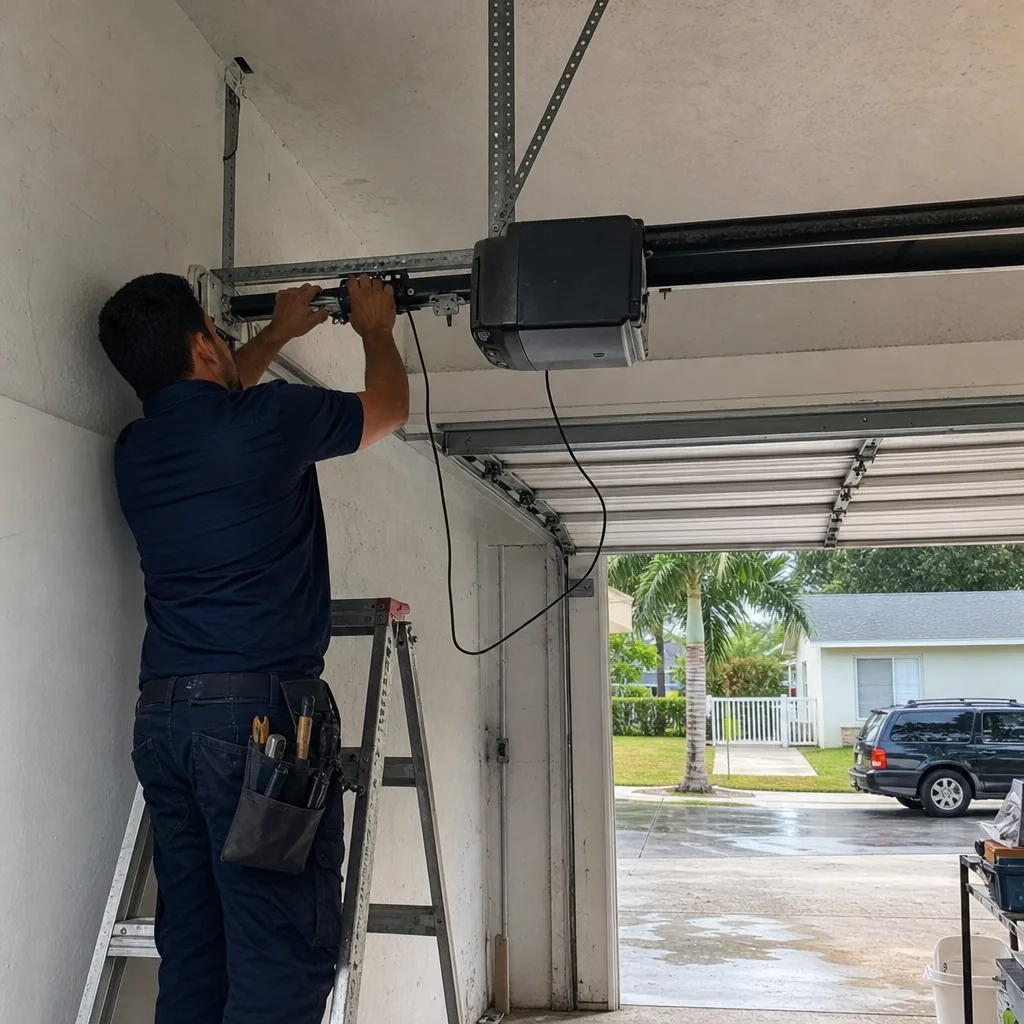
Last updated November 22, 2026
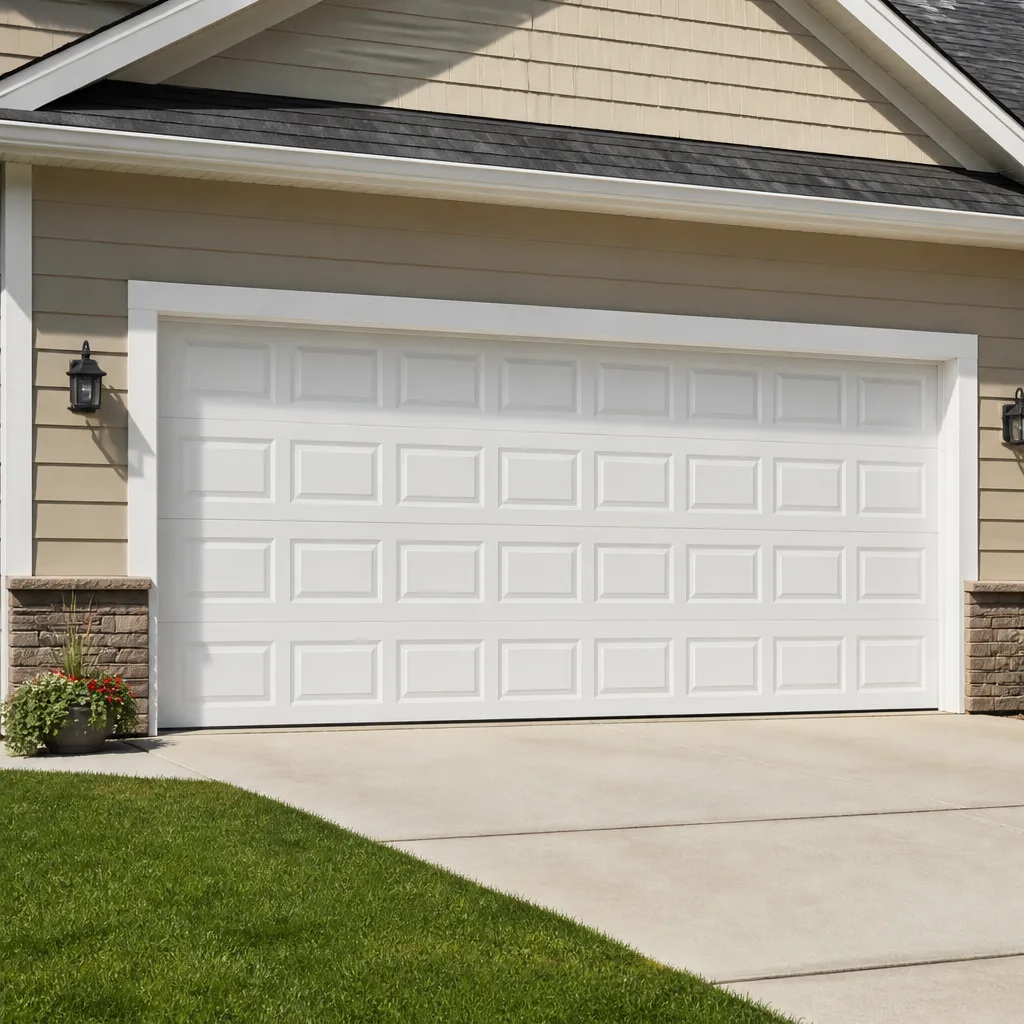 Raised-panel steel
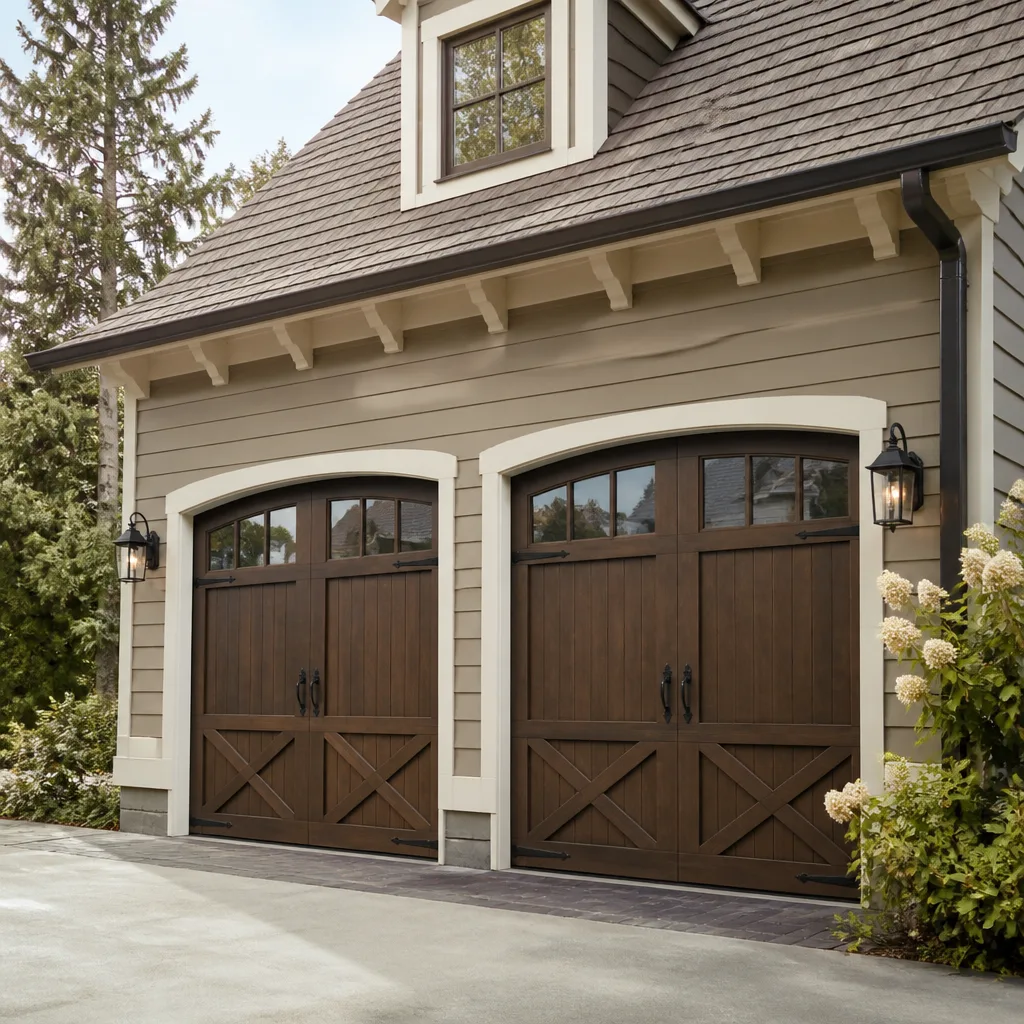 Carriage house
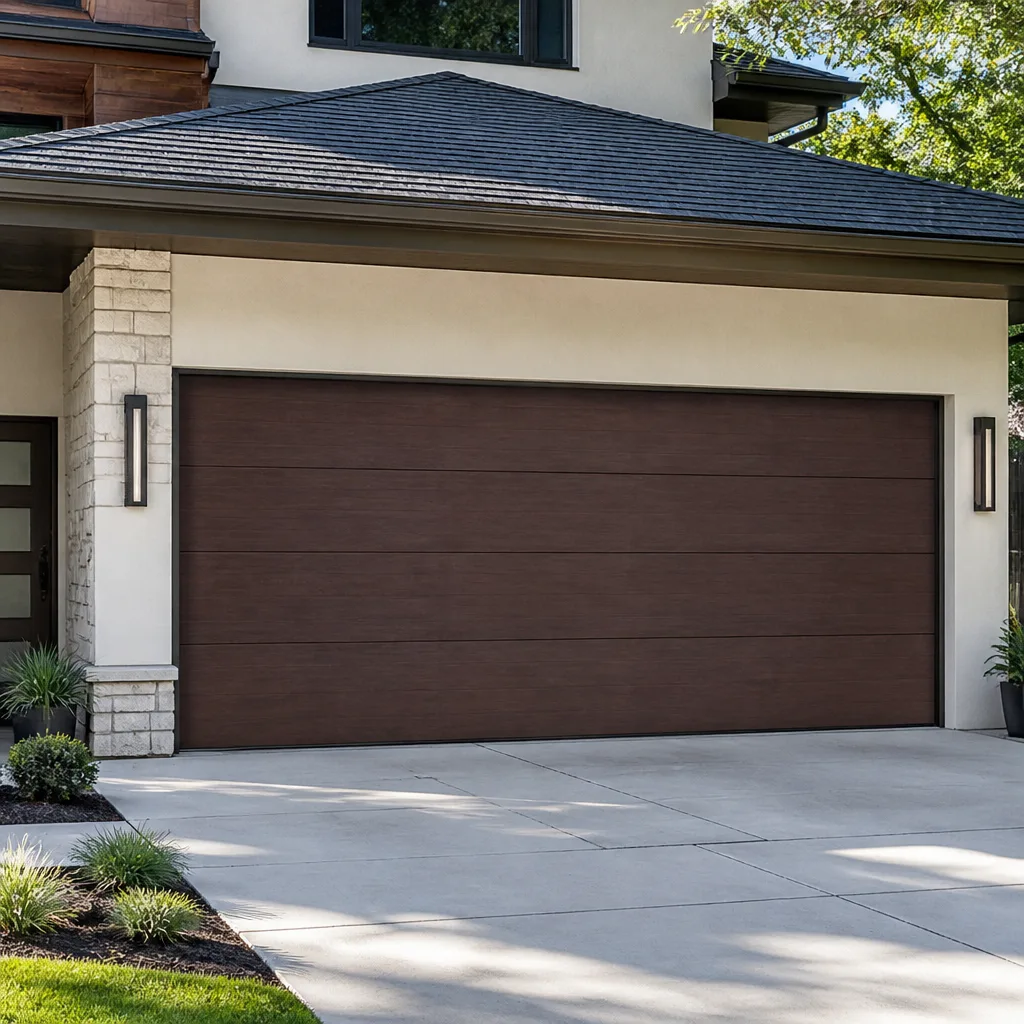 Modern flush
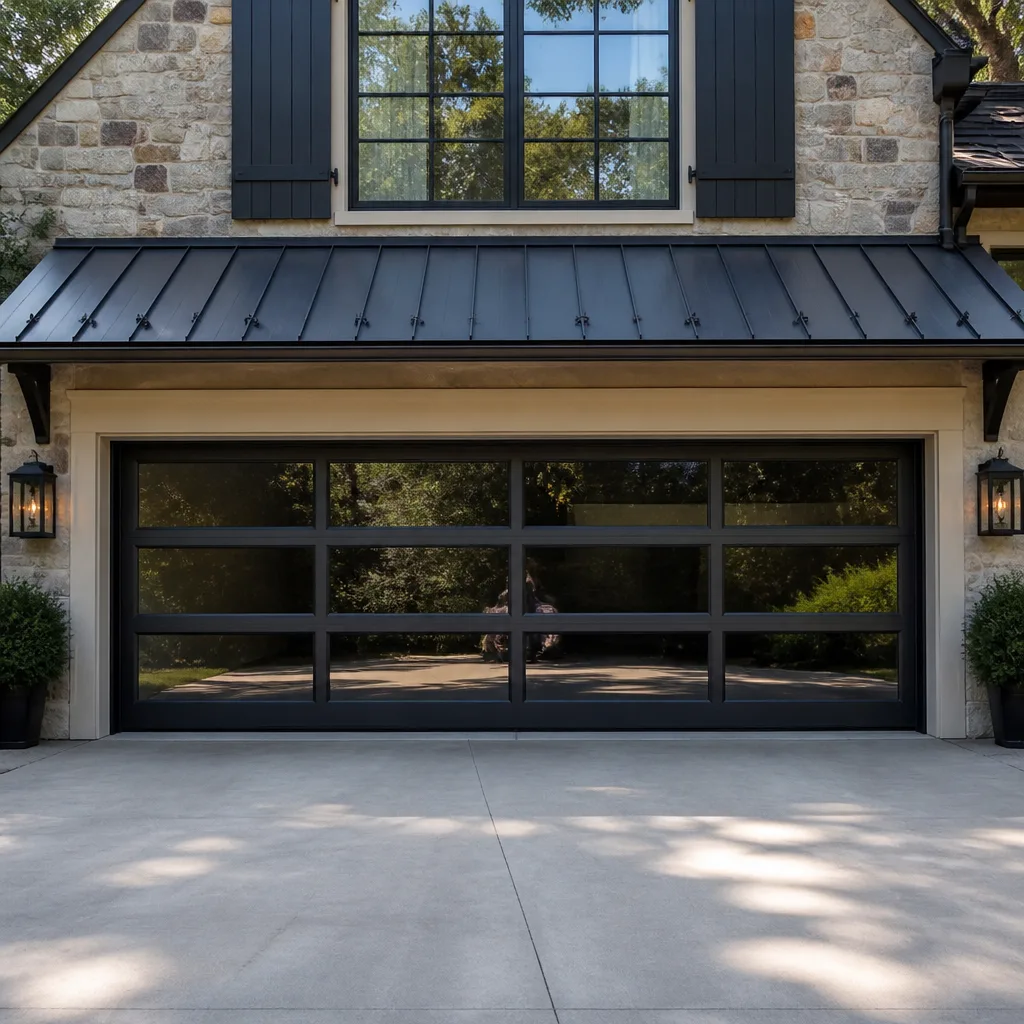 Full-view glass
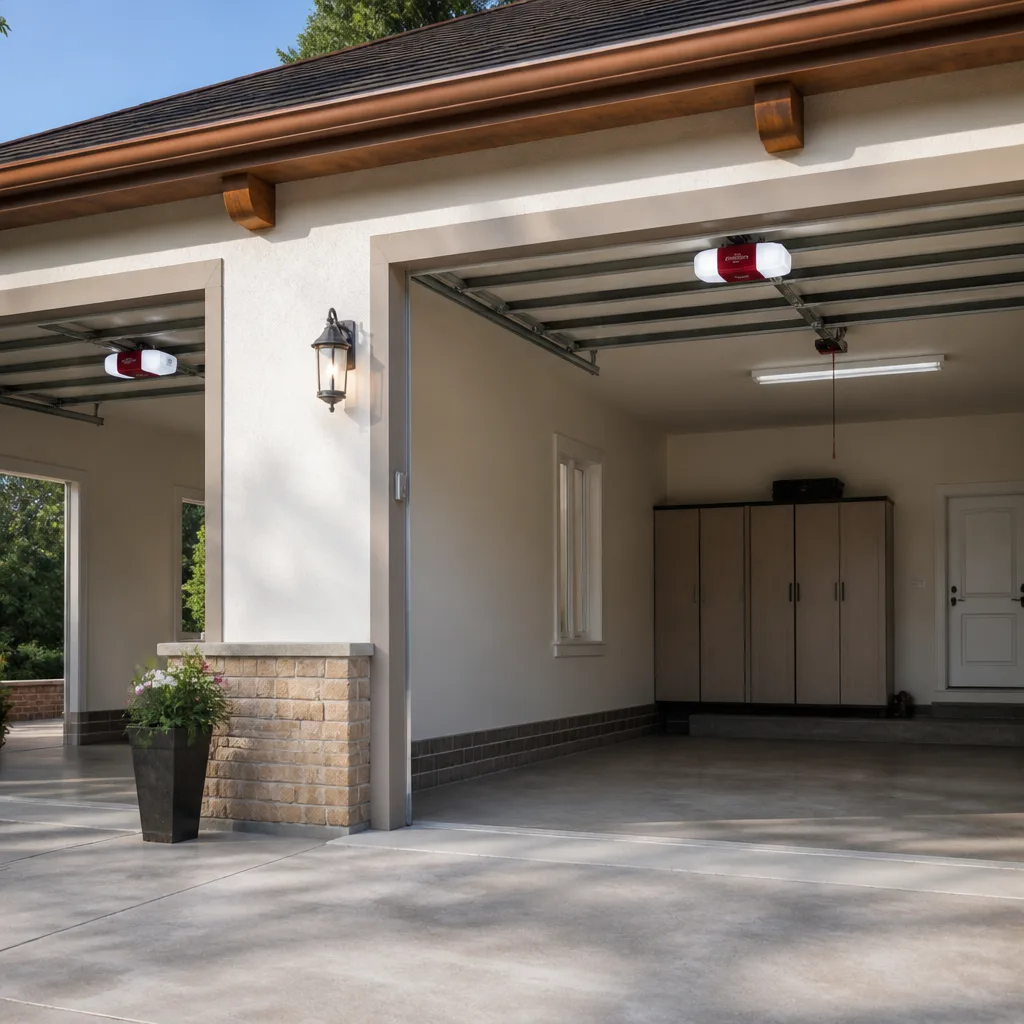 LiftMaster openers
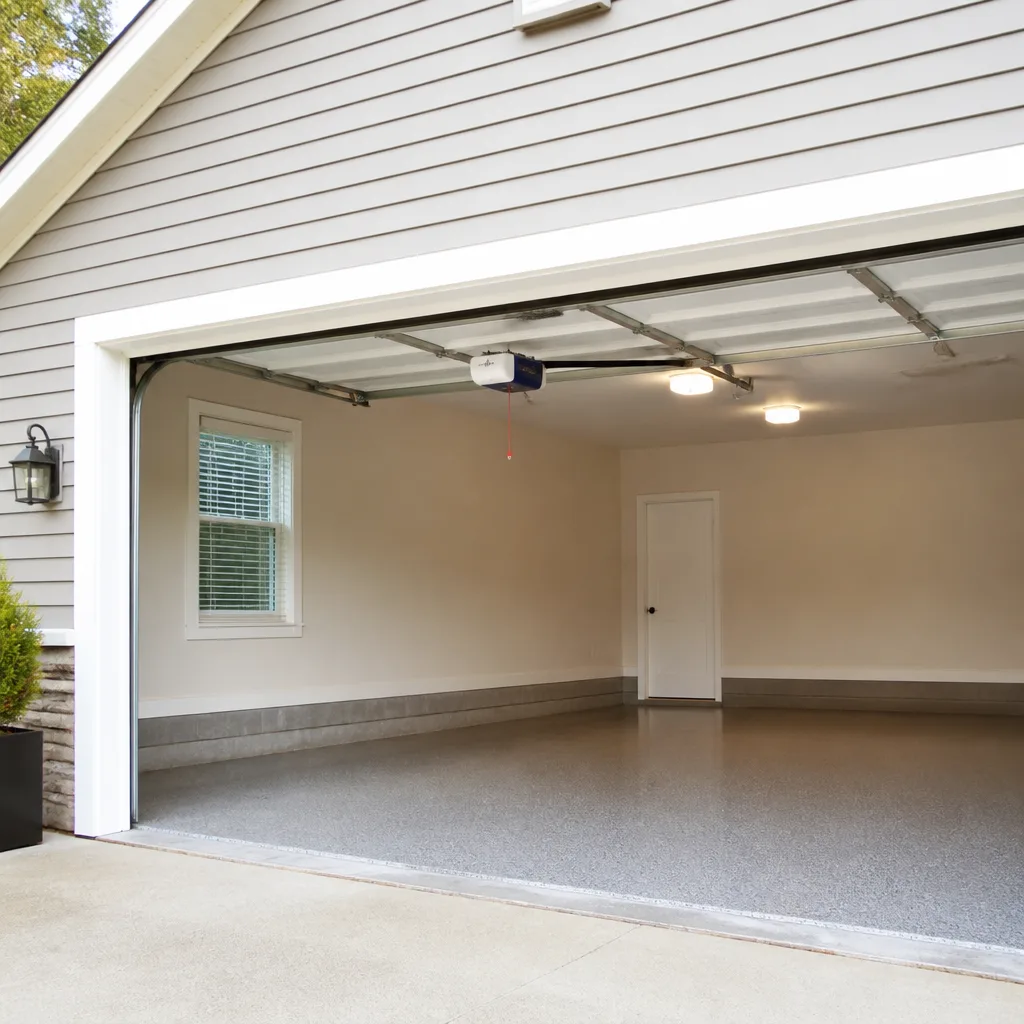 Chamberlain openers
Full 25-point door and opener safety check with every visit - springs, cables, rollers, tracks, and your LiftMaster or Chamberlain opener included
You get a price before we start. It does not change when the pro arrives.
Get your free estimateGarage Door Warning Signs: A Miami Gardens Homeowner’s Reference Guide
A torsion spring doesn’t snap out of nowhere. It warns you for weeks. The door starts feeling heavier on one side, a gap opens in the coil, and there’s a grind on the way up that wasn’t there last month. Most people hear that grind and reach for the lubricant instead of the phone. In our experience across Miami Gardens, that’s the moment a $180 repair turns into an emergency call because the door finally came down crooked. This guide decodes the symptoms a failing door shows you, separates “loud but fine” from “loud because it’s about to let go,” and assigns each one a realistic urgency level so you stop guessing whether something can wait until next month.
Quick Answer
Garage door warning signs in Miami Gardens fall into three urgency tiers. Monitor it covers cosmetic noise and minor vibration. Schedule service this week covers slow opener response, a door that reverses mid-travel, and frayed cables. Stop using the door and call today covers broken springs, snapped cables, a door hanging off its track, and any panel that won’t close flush with the ground. A torsion spring with a visible gap in the coil, or a door that lifts unevenly, is a stop-now sign, not a schedule-later one.
Styles & brands we work with
- Raised-panel steel
- Carriage house
- Modern flush
- Full-view glass
- LiftMaster openers
- Chamberlain openers
Table of Contents
- Sound Diagnostics: Loud but Working vs. Loud Because It’s Failing
- Visual Signs of Torsion Spring Wear You Can Spot Without Tools
- How Miami Humidity Accelerates Cable Fraying
- Opener Warning Signs: Slow Response, Reversal, and Clicking
- The Three-Tier Urgency System for Miami Gardens Homeowners
- Panel, Track, and Hardware Signs That Get Missed
- Why Brand Familiarity Speeds Up a Diagnosis
- Common Mistakes to Avoid
Sound Diagnostics: Loud but Working vs. Loud Because It’s Failing
Every garage door makes noise. The question is whether the noise is mechanical wear or imminent failure, and the sound’s location tells you which. A door that’s simply stiff or dry rumbles low and steady from start to finish. A door that’s about to fail makes a noise that changes pitch, spikes at one point in the travel, or comes with a physical jolt you can feel through the floor. That distinction is what we listen for first on any call in Miami Gardens.
Matching the sound to the component
- Low continuous rumble along the full travel: usually dry rollers or stiff hinges. Annoying, not dangerous. A lubrication and hardware check handles it.
- Sharp metallic crack or bang, then the door won’t lift: a torsion spring has snapped. Stop using the door immediately. This is the single most common emergency we respond to.
- Grinding that spikes at one section of the track: a roller is seized or the track has bent. The door is dragging metal on metal, and continued use wears both parts.
- Rattling that follows the door up and down: loose hinges, brackets, or panel fasteners. Easy to tighten, but a rattling bracket can shear if it’s left alone for months.
- Squealing that gets louder over weeks: bearing wear in the opener motor or in the torsion drum. Squealing bearings fail gradually, then suddenly.
- A thud at the top or bottom of travel: the door is hitting its travel limits hard. The opener is forcing the door past where it should stop.
Why “it’s always sounded like that” doesn’t hold
Homeowners explain away a lot of noise as the door’s normal personality. But the door making noise in Miami Gardens today isn’t the door that was hung years ago. Hardware loosens, springs lose tension, and the panels absorb the heat and humidity of a Miami Gardens summer. When you notice a sound that has genuinely changed from what you heard last month, that change is the signal. A door that’s been loud and identical for years is a different case than one that’s gotten loud.
If you can’t tell which category you’re in, that’s exactly the point where a technician’s ear beats a can of lubricant. Our team has handled enough spring and opener failures to separate a nuisance sound from a failure sound quickly, and we’d rather tell you the door is fine than sell you a repair it doesn’t need.
Visual Signs of Torsion Spring Wear You Can Spot Without Tools
Torsion springs sit on the bar above the door, and they wear on a schedule set by how many times the door opens and closes. Before a spring breaks, it gives you two clear visual signs: a gap in the coil and rust streaking below it. Neither requires a ladder to notice if you look at the spring bar from the floor of your garage. Both mean the spring is on its way out.
What to look for on the spring bar
- Coil separation: the tightly wound coils should sit flush against each other. A visible gap or a loosened section means the spring has lost tension.
- Rust streaking on the wall or ceiling below: a corroded spring is a weakening spring, and rust bleeding downward is a sign it’s thinning.
- A stretching gap under the door: with the door closed, look at the seal. If the door sits unevenly on one side, a spring is carrying less load than its partner.
- Uneven lift: watch the door open. If one side rises faster than the other, the springs are unbalanced. That’s a torsion-spring problem, not a track problem.
- Visible bend or kink in the coil: a distortion in the wind is a structural weakness. This is a stop-using-the-door sign.
A torsion spring typically needs replacement rather than repair once it shows real wear. Our garage door spring repair service handles the spring as the safety-critical mechanical piece it is, with the door taken off its load before anything gets touched.
Why we won’t walk you through a spring swap
A torsion spring holds enough stored energy to break bones if it releases uncontrolled. Every manufacturer and every trade standard treats spring work as a trained-professional job, and we do too. That’s not a sales line, it’s the reason we only describe what to look for and never how to do it. If you see a coil gap, a snapped spring, or a door that lifted unevenly on the last cycle, stop using the door and let a professional handle what’s under tension. A single spring replacement in Miami Gardens typically runs $180 – $340, and springs are usually replaced as a matched pair at roughly twice that, since an old and a new spring work against each other.
How Miami Humidity Accelerates Cable Fraying
A garage door cable can fray for months behind the door frame and never be seen until it snaps. Florida humidity feeds the process. Moisture in the air works into the steel strands, surface rust builds, and each strand weakens until a single one pops. Once one strand lets go, the rest carry the same load and the failure spreads fast. That’s why we always check cable condition at the drum, not just at the visible stretch along the track.
Where to look and what fraying looks like
- At the drum: the cable wraps around a grooved metal drum at the top corner of the door. Look for fuzzy steel strands, a spread in the winding, or the cable jumping a groove.
- Along the vertical track: the exposed cable should be smooth and tightly wound. Broken strands look like little hairs poking out of the line.
- At the bottom bracket: the cable attaches here under heavy load. Rust or a bent bracket here is a warning sign, and it’s not a DIY inspection point.
- The drum itself: an uneven pileup of cable means the drum is worn or the door is lifting at an angle. Both are schedule-this-week problems.
When a cable lets go, the door can drop on one side, twist on the track, and pull its way out of alignment. That’s a stop-using sign in every case. A frayed cable that hasn’t broken yet is still dangerous; it’s carrying the full weight of the door and could fail during the next cycle.
A modern door has two systems, and both wear
A complete garage door set-up is two systems working in tandem: the door itself and the opener. The cable and spring live on the door side, the motor and travel controls live on the opener side, and the two interact constantly. A cable problem shows up as an opener that can’t quite raise the door. An opener problem shows up as a door that moves smoothly but at the wrong speed. Knowing which side you’re actually dealing with is the whole diagnostic game. Our garage door repair work covers both, because a repair that fixes one side and ignores the other just moves the failure a few weeks out.
Opener Warning Signs: Slow Response, Reversal, and Clicking
An opener that’s failing rarely dies quietly. It tells you first, and the language it uses is repeatable: slow response, mid-travel reversal, and clicking without movement. Each points to a different part of the unit. A slow response usually means binding or a weakening motor. Reversal mid-travel is a safety sensor or limit setting issue. Clicking without movement is the drive or the logic board failing to engage. Reading the sign right on the first call is how you avoid a second one.
Reading opener symptoms
- Slow, labored opening: the motor is working against something. Could be stiff rollers, a spring losing tension, or a motor nearing its end. On a LiftMaster or Craftsman, the opener often shows a blinking light pattern tied to that fault.
- Reversal in the middle of travel: the safety system is triggering. The sensors might be misaligned, or the door is meeting resistance and the opener is backing off as designed.
- Clicking without movement: the motor gets the command but the drive gear or belt isn’t engaging. On many Wayne Dalton and Raynor set-ups this points to a stripped gear or a worn coupler.
- Remote works, wall switch doesn’t (or the reverse): a signal or wiring problem, not a motor problem. Sometimes the fix is at the button, not the unit.
- Door closes then immediately reopens: the safety reverse is doing its job. It’s a safety problem before it’s a convenience problem, so don’t bypass it to keep the door closing.
Why brand matters at diagnosis time
We work on LiftMaster, Chamberlain, Genie, Craftsman, and Raynor openers regularly, so a symptom that points to a stripped drive gear on one model isn’t a guess on our part. Reading the manufacturer’s error pattern on the first visit saves a second diagnostic call. If you want the opener looked at specifically, our garage door opener repair service is built around the door and the motor as separate systems so each gets the right diagnosis. Clicking without movement, a door that won’t stay closed, or an opener that’s gone dead with the car inside is exactly the kind of problem we handle on dedicated emergency service, any time the situation can’t wait for a scheduled visit.
The Three-Tier Urgency System for Miami Gardens Homeowners
This is the part we want you to keep. Every warning sign in this guide drops into one of three tiers, and the tier tells you what to do with your evening. We use the same three-tier triage on every call, and it hasn’t failed us yet.
Tier 1: Monitor it
Cosmetic noise, minor vibration, a rattle that comes and goes, and a door that operates normally every time. These are real warning signs, but nothing is about to let go. Note the change, watch for it getting worse, and address it at the next routine service visit. No emergency call needed.
Tier 2: Schedule service this week
- Slow opener response or a motor working hard
- Reversal mid-travel or a door that reopens on close
- Rust streaks or a coil gap beginning on a spring
- Visible cable fraying that hasn’t separated
- Clicking without a full open on a LiftMaster or Genie unit
- A door that shudders going up but still completes the cycle
Tier 2 is a scheduled visit, not a panic. The door still works, but every one of these signs is progressing. Give it a week and you’re on our schedule; give it two months and you’re in an emergency call.
Tier 3: Stop using the door and call today
- A snapped torsion spring, or the door won’t lift by hand
- A cable that has parted or is hanging off the drum
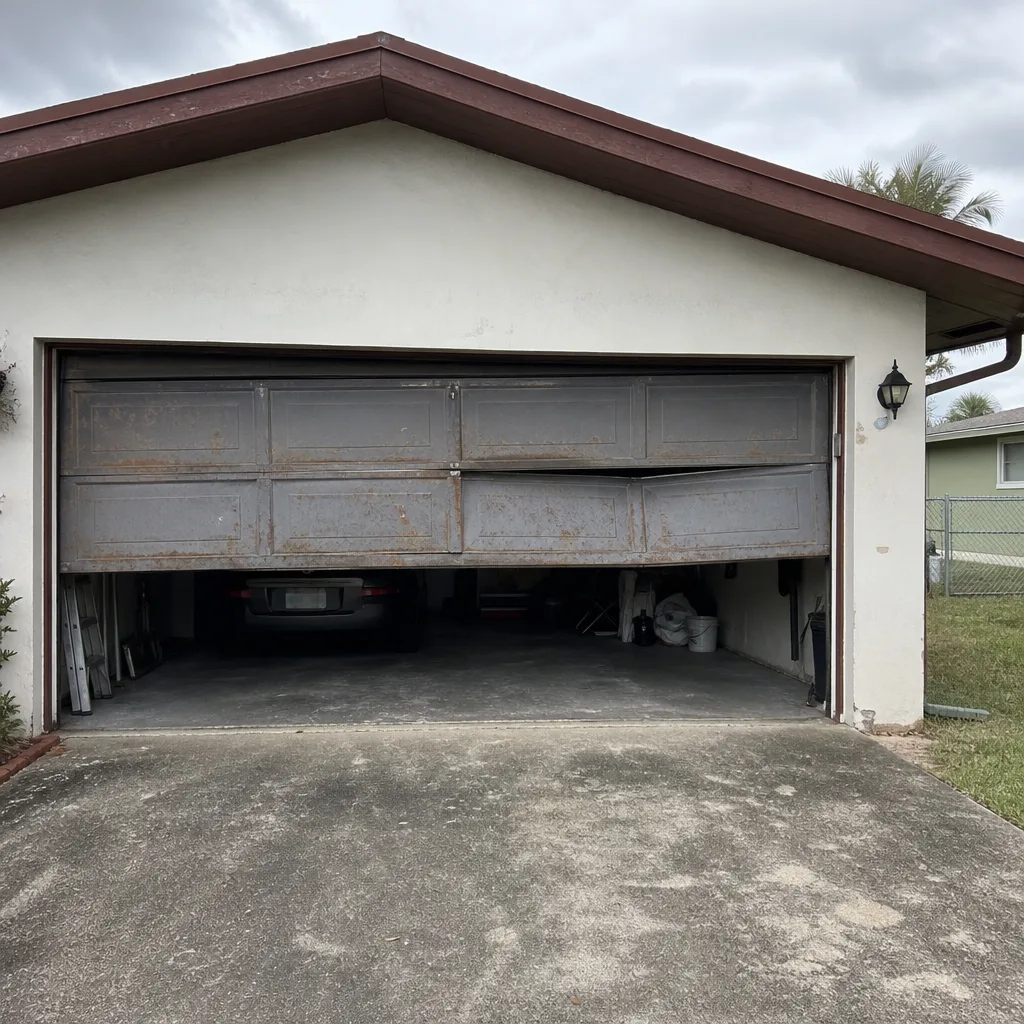
- A door hanging crooked or off its track
- A panel that won’t close flush with the ground
- Any door that fell, dropped on one side, or moved in a way it never has
- An opener that’s gone dead with the door closed
Tier 3 is the only tier where we tell you to stop operating the door entirely. The door is holding weight without control, and the next cycle could make it worse or dangerous. This is what our emergency service exists for. When the door won’t move, we do. Call (877) 583-5491 for fast dispatch from 7am to 7pm.
Panel, Track, and Hardware Signs That Get Missed
Not every warning comes from the spring or the opener. Panels, tracks, and hardware show wear on a slower schedule, and because they’re always sitting there in plain sight, they’re the easiest to walk past. Doors in Miami Gardens take a steady beating from sun and humidity, and panel and hardware wear shows up in that texture first: sun-faded, warped, or loosening panel edges, and roller brackets that have quietly backed out of their screws.
What to check on the door itself
- Panel alignment: stand inside and look across the face of the door. Panels that don’t line up evenly can jam the door in its track on the way up.
- Panel condition: dents, cracks, and warping reduce the door’s rigidity. On a Clopay or Amarr door, a warped panel can fail inspection as a safety concern even if it lifts fine.
- Track straightness: the vertical tracks should run straight. A bent or kinked track is what eventually launches a roller out and drops the door on one side.
- Hinge and bracket tightness: loose hardware lets the whole panel assembly flex and does damage faster than it seems.
- Weather seal: a worn bottom seal lets water blow in and lets pests into the garage. Easy to overlook because it’s on the floor.
- The door’s balance: with the opener disengaged, a balanced door should lift easily and stay where you leave it. If it’s heavy or drops, the springs are losing their grip.
Some of these are monitor-level. Panel damage that’s let water in, a track that’s bent enough to affect travel, or hardware that’s pulling loose from the door is schedule-this-week. A door that’s out of the track entirely is stop-using. If a panel is beyond repair, a full door replacement is the sane move, not a patch on top of a problem. Call us when you’re ready for Miami Gardens Garage Door Repair Co to take a look, and you can come back for a new door later without switching companies. We do the repair and the replacement.
Why Brand Familiarity Speeds Up a Diagnosis
A warning sign is only useful if the diagnosis behind it is accurate. That’s where brand knowledge earns its keep. A Wayne Dalton door with unbalanced lift is a different diagnostic path than a Clopay door with the same symptom, because the panel construction and spring setup aren’t the same. The same holds for openers: a LiftMaster with clicking and no movement points somewhere different than a Genie with the same complaint. We work on LiftMaster, Chamberlain, Genie, Clopay, Amarr, Wayne Dalton, Craftsman, and Raynor systems, so the first visit is usually the only diagnostic visit. That means the door gets fixed correctly the first time, and you don’t pay for a second trip to figure out what’s actually wrong.
We also treat the door and the motor as separate systems, because they are. A cable repair doesn’t fix an opener problem, and an opener replacement doesn’t fix a spring that’s lost tension. If you’ve been told one is the cause and the door still misbehaves, the other half is worth checking.
Common Mistakes to Avoid
- Lubricating a door that’s grinding: grease quiets the sound without fixing the cause. The seized roller or bent track underneath keeps wearing, and you lose the audible signal that would have caught it early.
- Replacing one spring when both are the same age: a new spring working against an old one carries more of the load, and it fails sooner. Match the pair unless the situation genuinely calls for otherwise.
- Trying to fix a spring or cable yourself: both are under extreme stored tension. There’s no yardstick where the DIY version makes sense, regardless of what a video shows.
- Bypassing the safety reverse: a door that reopens on close is telling you the safety system tripped. Defeating it to make the door close is how a nuisance turns into a real safety hazard.
- Ignoring a door that closes unevenly: a door that sits low on one side is already out of balance, and every cycle after that strains the track and the opener.
- Waiting for the door to fail completely: a full failure is more expensive than a Tier 2 repair. The early sign you can act on is most of your cost savings.
- Skipping a Miami Gardens summer inspection: heat and humidity do double the wear over the summer months. If you haven’t looked at the spring, cable, and track since spring, do it now.
When to Call a Professional
Call a professional for anything under Tier 3, and for Tier 2 signs the moment they start getting worse. Snapped springs, frayed or broken cables, doors off their tracks, openers that won’t respond, a door that’s stopped closing at all: these aren’t monitor-it situations, and they aren’t tighten-it situations either. We also want to hear from you if a door is stranded closed with a car inside, if an opener dies while the door is up, or if a storm has left a panel bent so the door won’t seal. Miami Gardens Garage Door Repair Co offers free estimates in Miami Gardens, and every repair is quoted and agreed before any work starts, so the written estimate is the final price. Call (877) 583-5491 for a fast, no-pressure diagnosis.
See the difference
 Before
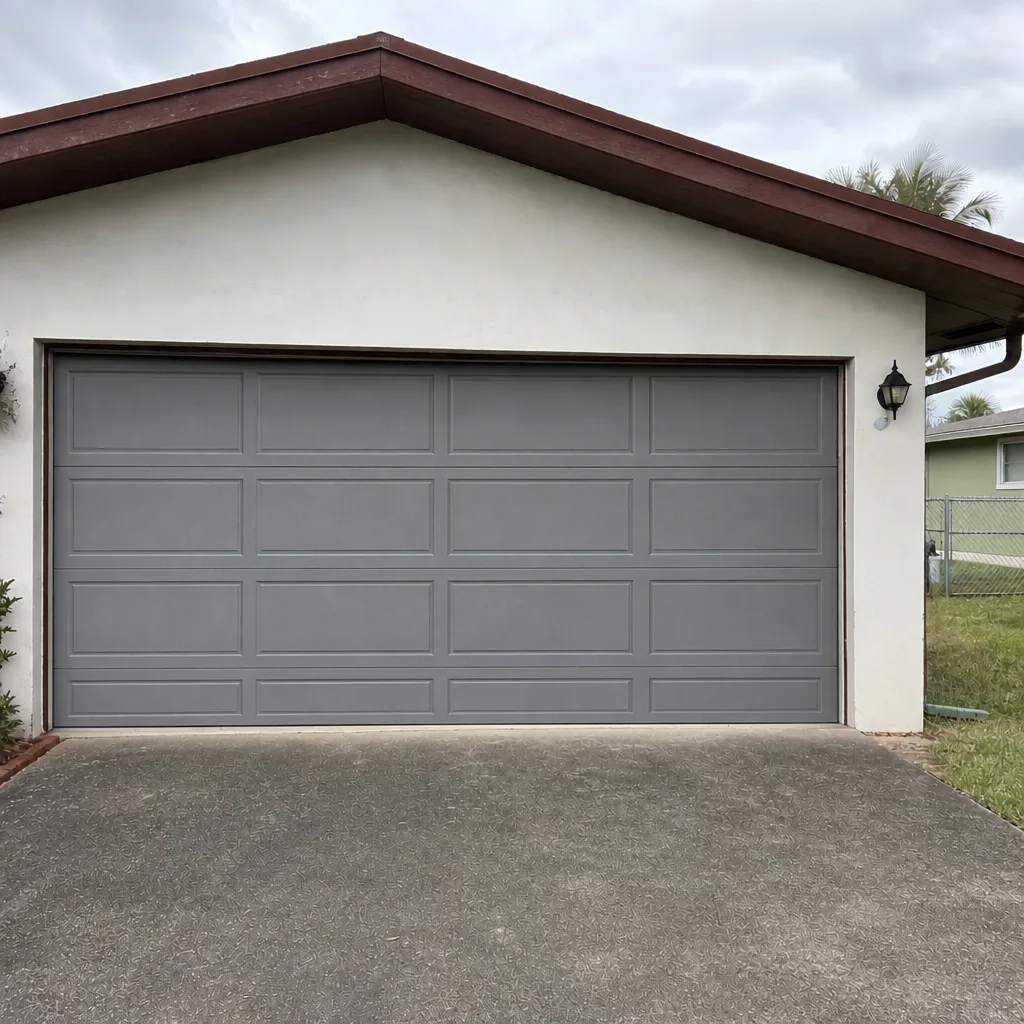 After
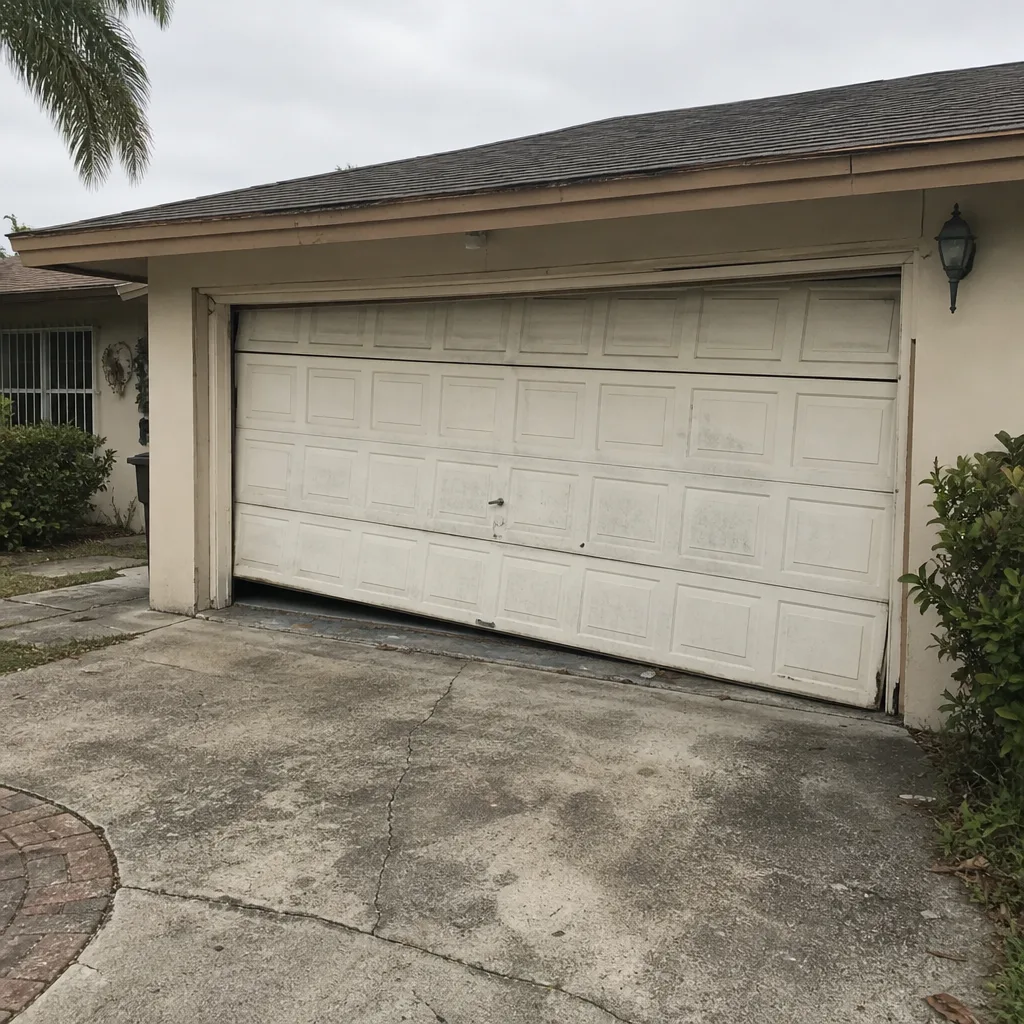 Before
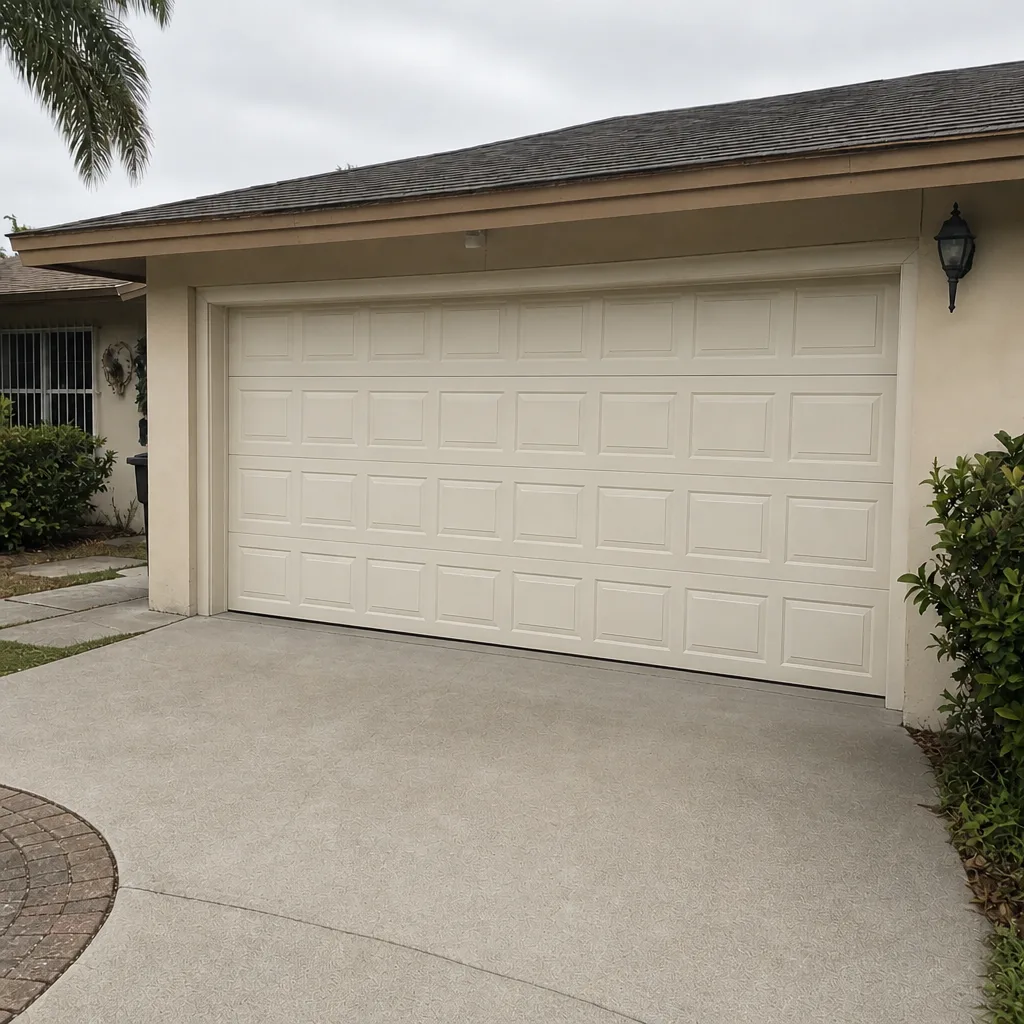 After
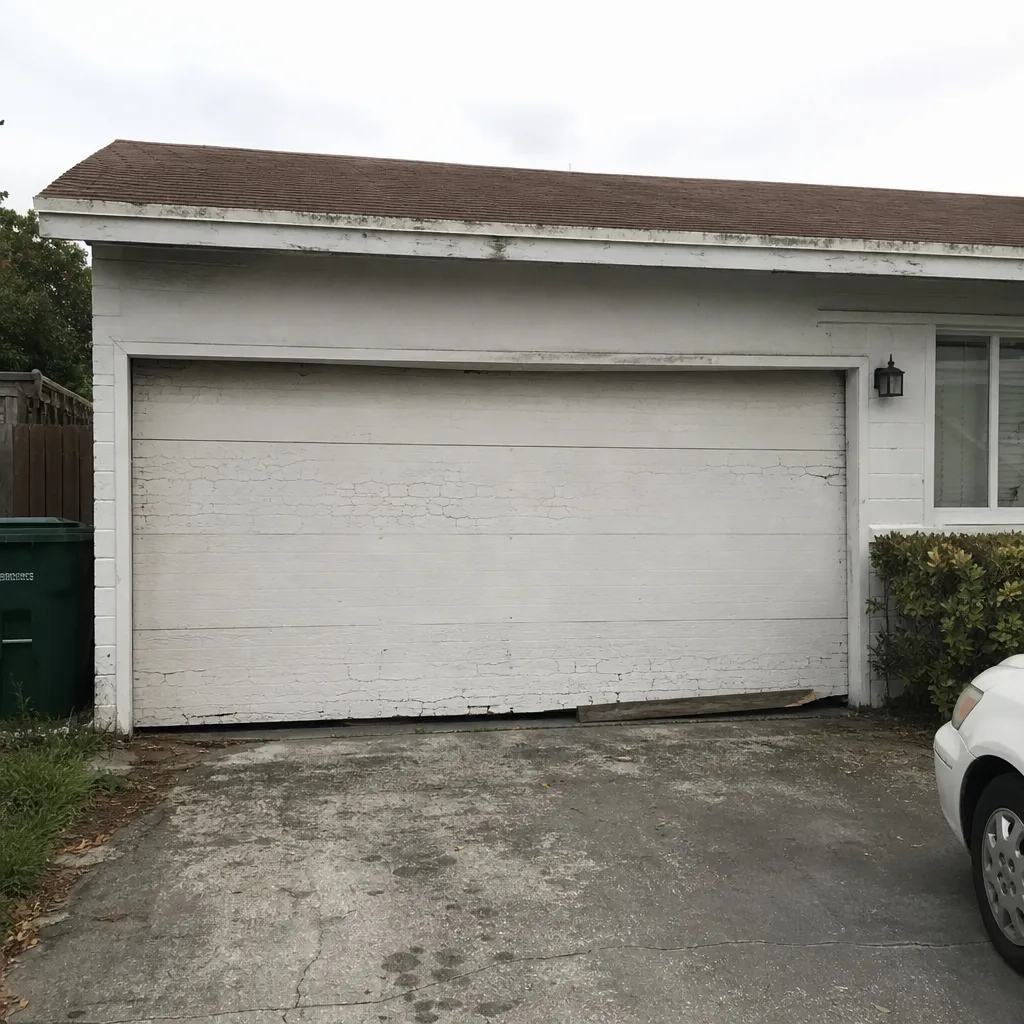 Before
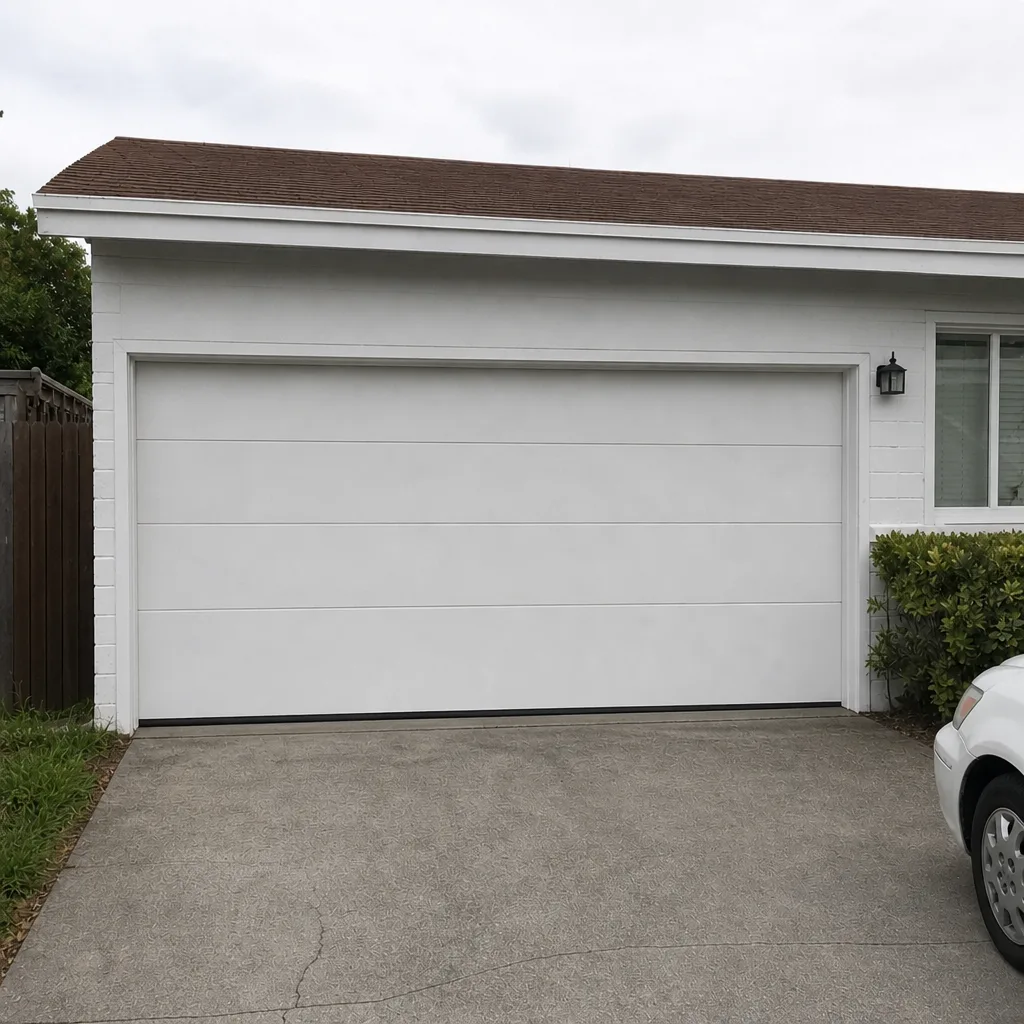 After
Frequently Asked Questions
A gap in the torsion coil, rust streaking on the wall below the spring bar, and a door that lifts heavier on one side are the earliest signs. A grinding sound on the way up usually follows. If the door won’t lift by hand at all, the spring has already failed and the door should stay closed. Call (877) 583-5491 for a free estimate; a single spring typically runs $180 – $340, and a matched pair runs about twice that.
Only if the door still lifts and lowers smoothly and the noise doesn’t spike at one point in the travel. A steady rumble from dry rollers is usually harmless, but a grind at a specific spot means metal is dragging on metal and the track or roller is wearing fast. Watch it over the next few cycles, and call us for a look if it gets worse.
The safety reverse system is tripping, usually from a misaligned sensor or something breaking the beam. It’s designed to back off when it detects resistance, so it’s a safety problem before a convenience one. Don’t bypass it. Get it looked at within the week, and call us immediately if the door is stuck open.
Humidity works into the steel strands and rusts them from the inside, so a cable weakens behind the door frame where you can’t see it. By the time a strand shows on the outside, several inside have already gone. Check the cable at the drum and along the track for fuzzy strands or uneven winding, and treat any fraying as a schedule-this-week repair. Call (877) 583-5491 for an exact quote.
Most likely, yes. We work on LiftMaster, Chamberlain, Genie, Clopay, Amarr, Wayne Dalton, Craftsman, and Raynor systems, which covers the most common residential door and opener brands. We can diagnose the door side and the opener side on the same visit, so you’re not referred to a second contractor. Call (877) 583-5491 with your brand and model if you know it, and we’ll confirm.
Two spots: at the drum in the top corner above the door, and along the vertical track where the cable is exposed. Look for broken strands that look like little hairs, a cable that’s slipped its groove, or uneven winding on the drum. Don’t touch it; a frayed cable is still carrying the full weight of the door.
Keep an eye on all three: the spring bar, the cable at the drum, and the opener’s response. Those three checks take two minutes and catch almost every failure before it happens. If anything in this guide matches what you’re seeing, call us today or book a diagnostic visit. It’s a short phone call to get a real answer. That’s why we connect homeowners across Miami Gardens with experienced technicians who diagnose correctly on the first visit. Our technicians have up to 9 years of experience, and estimates are always free.
The Bottom Line
Most garage door failures are telegraphed weeks in advance: a sound that changed, a gap in the coil, a cable with fuzzy strands, an opener that responds slower than it used to. The trick is not explaining those away. Use the three tiers in this guide. Monitor cosmetic noise. Book a repair this week for anything in Tier 2. And for a snapped spring, a parted cable, or a door off its track, stop using the door and call today. Our technicians have up to 9 years of experience, and our next visit may save you an emergency repair down the road.
Contact Us
If a warning sign in this guide matches what you’re seeing, don’t wait for the door to force the issue. Call Miami Gardens Garage Door Repair Co at (877) 583-5491 for a free estimate. We’ll diagnose the door and the opener, explain what’s actually failing, and quote the work before anything starts. When the door won’t move, we do.
Written by the team at Miami Gardens Garage Door Repair Co.