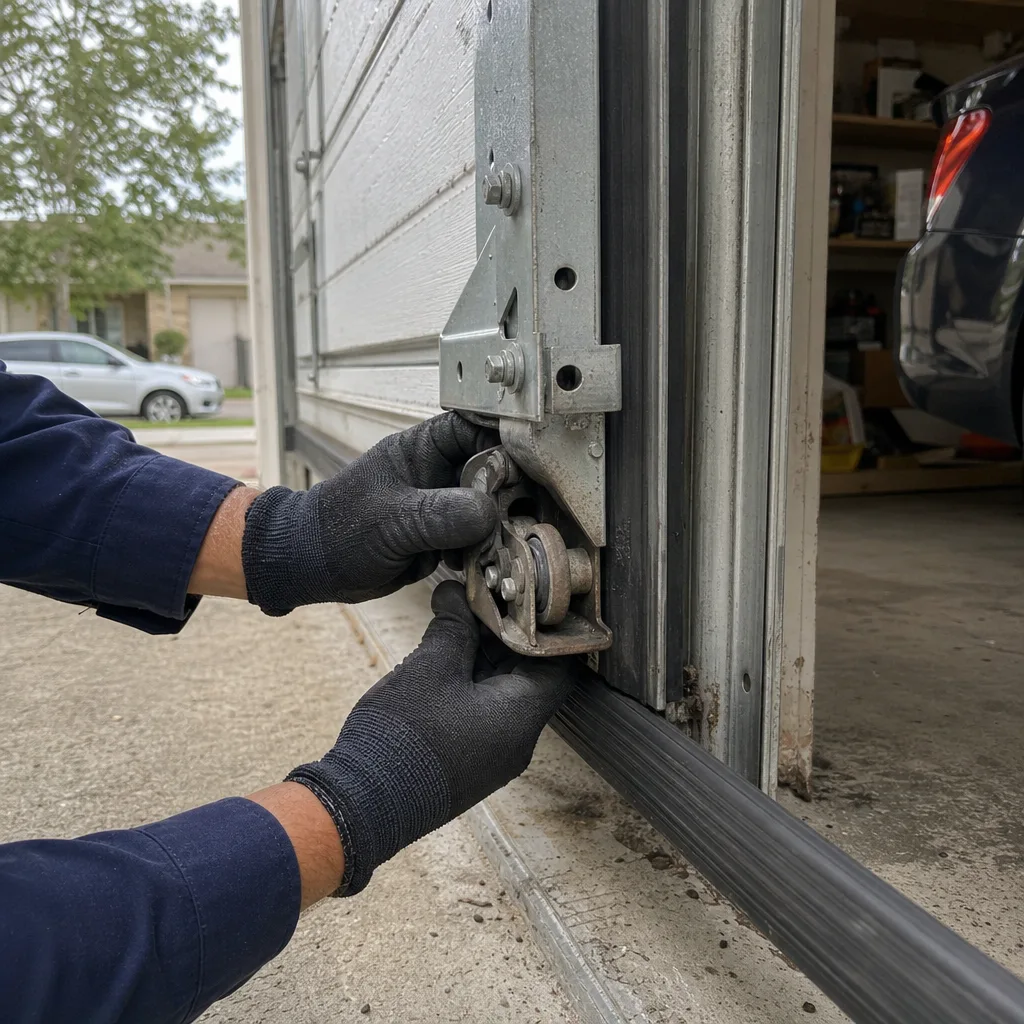
Last updated November 22, 2026
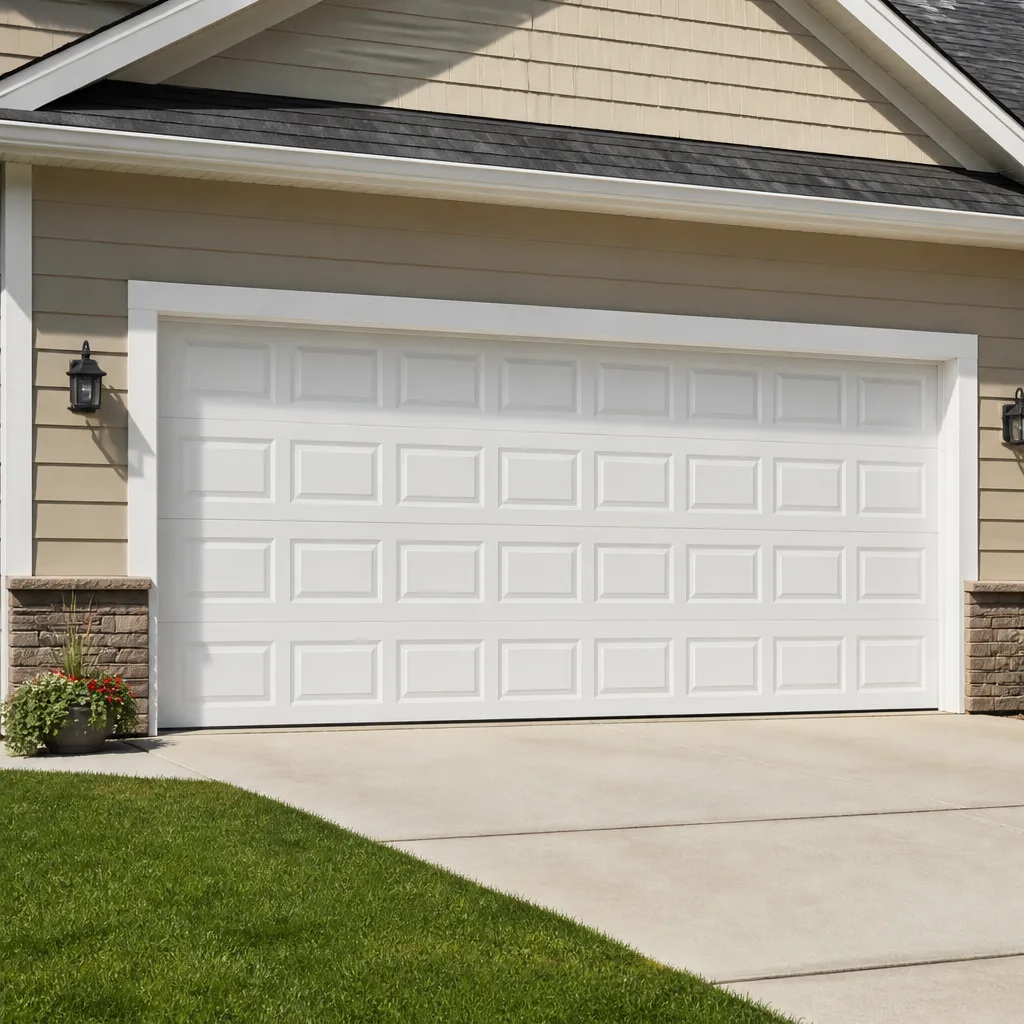 Raised-panel steel
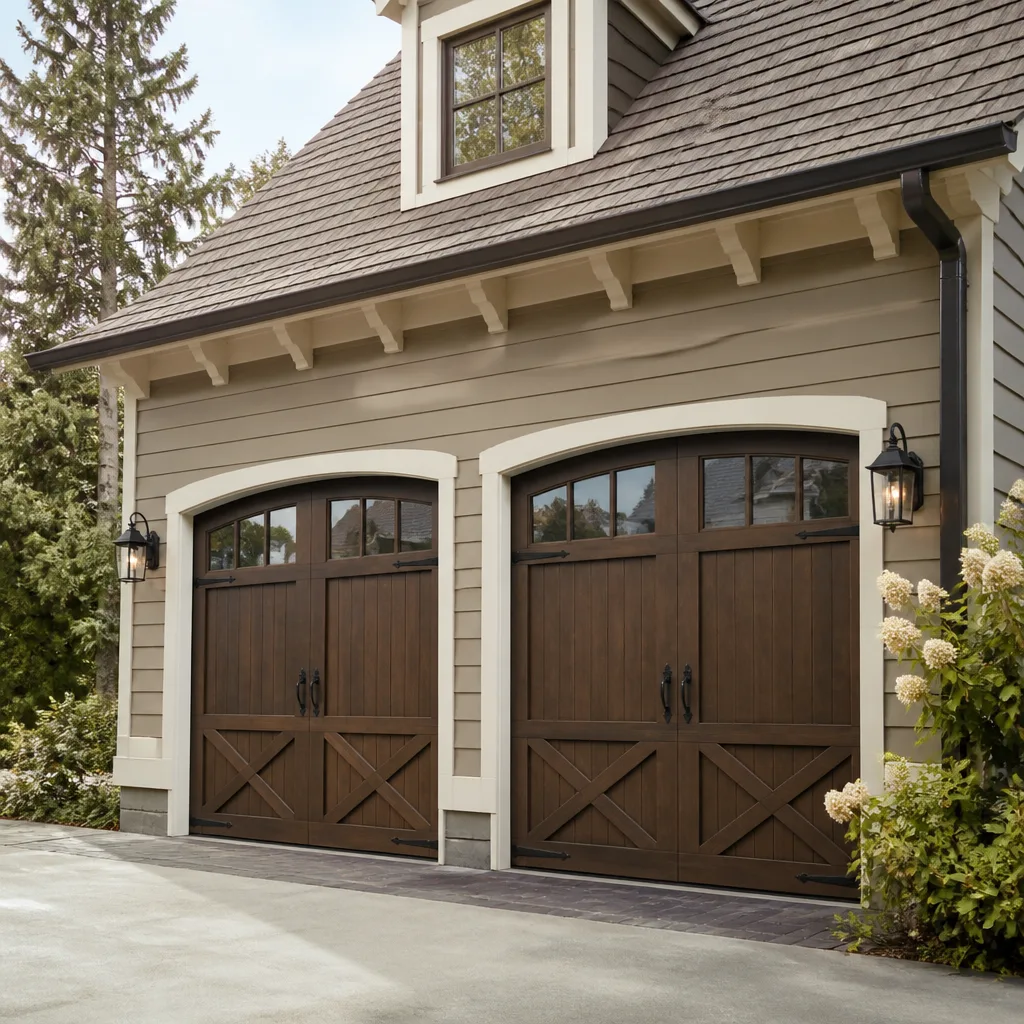 Carriage house
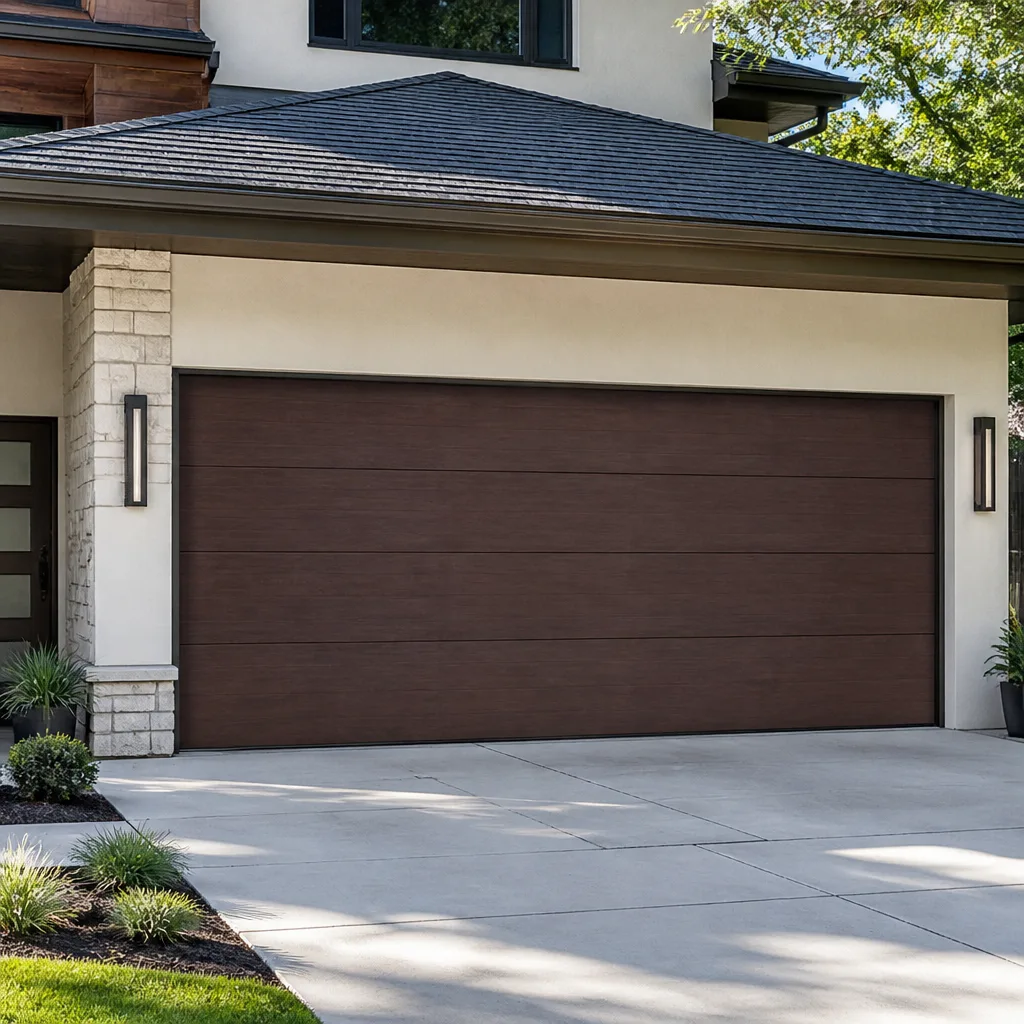 Modern flush
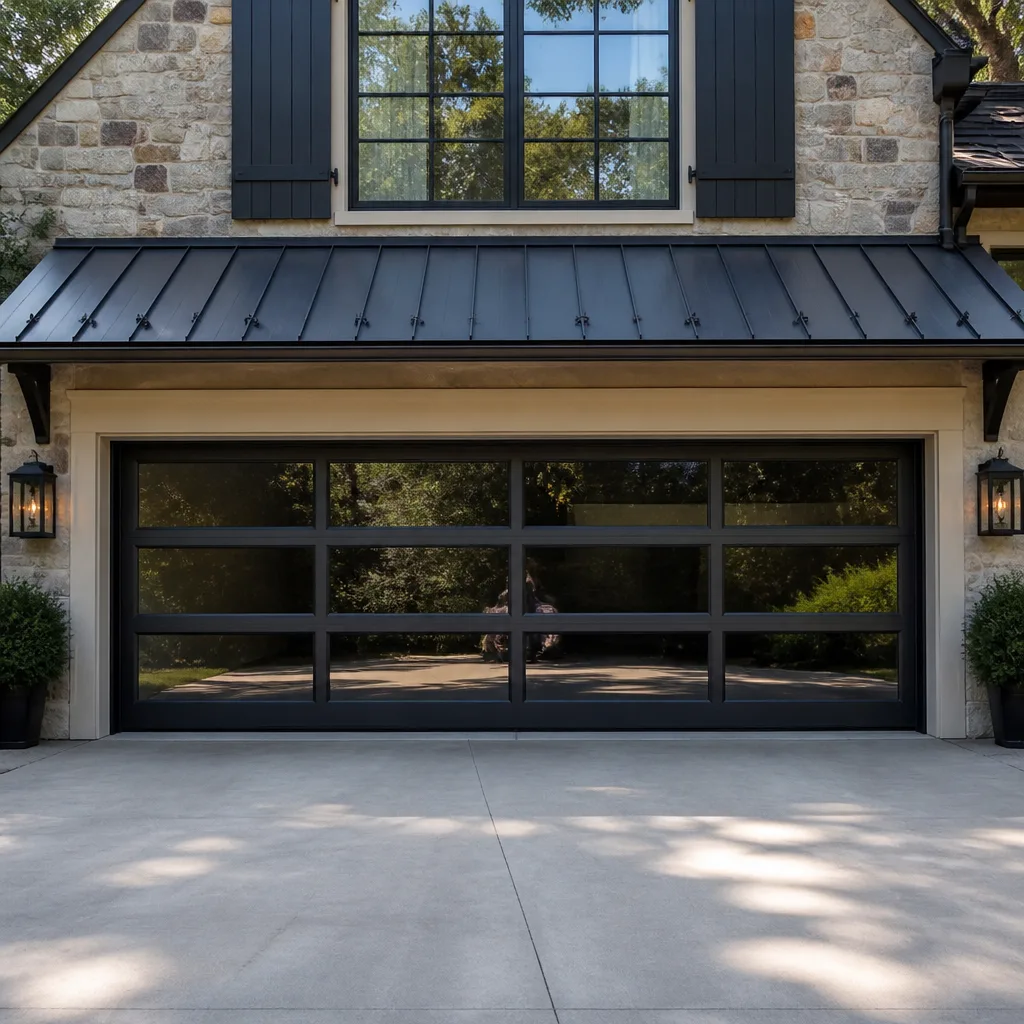 Full-view glass
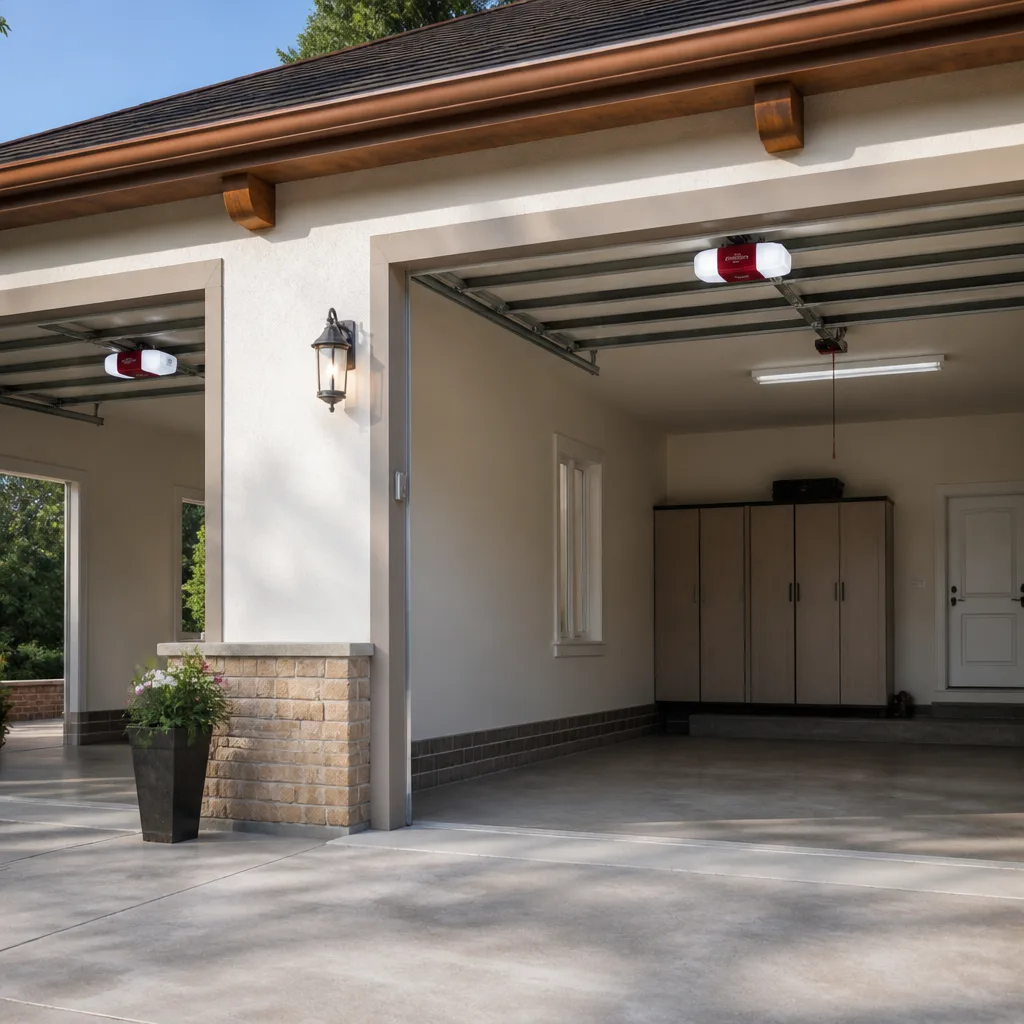 LiftMaster openers
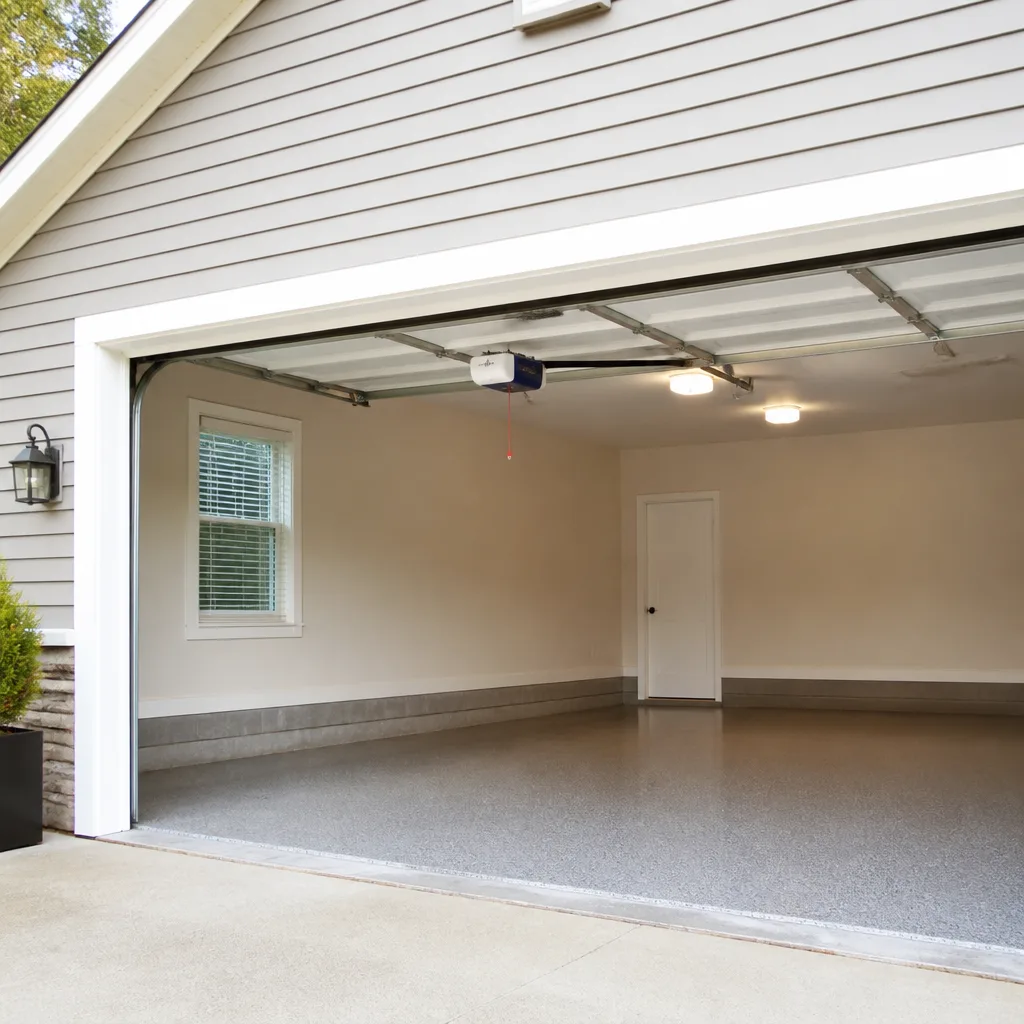 Chamberlain openers
Full 25-point door and opener safety check with every visit - springs, cables, rollers, tracks, and your LiftMaster or Chamberlain opener included
You get a price before we start. It does not change when the pro arrives.
Get your free estimateChoosing the Right Garage Door Brand: A Buyer’s Guide for Miami Gardens
Clopay and Wayne Dalton both build solid garage doors. But the same model that earns five stars in Ohio can be a poor fit for Miami Gardens, because the product lines that pass Miami-Dade’s wind-load testing aren’t the same ones that dominate national best-of lists. That gap is what most brand reviews skip, and it’s the filter that matters here. This guide sorts the major brands on the criteria that actually decide whether a door holds up in South Florida: approved product lines, material performance under UV and humidity, opener reliability, and what a warranty really covers once you’re in Florida. You’ll leave knowing how to check a model yourself before you commit.
Quick Answer
For most Miami Gardens homeowners, the right brand is the one whose specific model carries a current Miami-Dade product approval (an NOA) and matches your opening, budget and opener system. Clopay and Amarr generally offer the broadest span of approved residential lines; Wayne Dalton covers the value end well but with fewer choices in impact-rated models; CHI has a narrower approved catalog worth checking model by model. For openers, LiftMaster and Chamberlain lead on battery-backup availability, with Genie a solid alternative where the feature set fits. The brand matters less than the exact model’s approval status.
Styles & brands we work with
- Raised-panel steel
- Carriage house
- Modern flush
- Full-view glass
- LiftMaster openers
- Chamberlain openers
Table of Contents
- Why brand reputation doesn’t travel well to Miami Gardens
- How to cross-reference a door model with Miami-Dade’s NOA database
- Which brands have the broadest Miami-Dade approved lines
- Material performance over a 10-year horizon
- Opener brands: humidity-rated parts and battery backup
- National warranty vs. what’s enforceable in Florida
- A step-by-step buying checklist
- Common mistakes to avoid
Why Brand Reputation Doesn’t Travel Well to Miami Gardens
A garage door brand’s national reputation gets built in places with four distinct seasons and no wind-borne debris requirement. Miami Gardens sits in a different testing environment. Doors sold here typically need to meet Miami-Dade County’s high-velocity hurricane zone rules, which means a specific model has to hold a product approval before it can legally go on many homes. That approval runs model by model, not brand by brand.
So a manufacturer with a strong brand can still have gaps in its approved catalog. And a manufacturer with a quieter reputation can have a deep approved lineup. National review sites rarely make this distinction. They compare aesthetics, insulation and price, then hand out rankings that ignore whether a given model is approved for a Miami Gardens installation at all.
There’s a second local pressure: the climate itself. South Florida’s humidity and sun exposure put stress on steel coatings, wood composites, and anything rubber or plastic. A door that looks great on a showroom floor can chalk, fade or weather in ways you notice a few summers in. In our experience, the models that hold up best combine a durable finish system with hardware that resists moisture at the hinges and rollers.
That’s the lens this guide uses. Not “which brand is best nationally,” but “which brand’s product line fits Miami Gardens.” Two questions do most of the work: Is this exact model approved? And is it built for this climate?
How to Cross-Reference a Door Model with Miami-Dade’s NOA Database
Miami-Dade County publishes a searchable online database of product approvals, often called NOAs (Notices of Acceptance). Before you commit to any door, you or your installer should confirm the exact model carries a current approval. It takes a few minutes and it prevents an expensive mistake.
Here’s how to check a model:
- Get the manufacturer’s exact model number and product name, not just the brand. Approvals attach to specific models and sometimes specific configurations.
- Note the door size and wind-load design pressure the approval covers. A model approved at one size may not be approved at yours.
- Open Miami-Dade’s online product approval search and enter the manufacturer and model.
- Read the approval closely: check the expiration date, the approved sizes, and any glazing or reinforcement requirements.
- Ask the installer or dealer to show you the matching approval number on their quote. If they can’t, that’s a red flag.
This is where a local installer earns their keep. A technician who orders doors for Miami Gardens every week knows which models clear approval and which don’t, and can save you a round of searching. If you’re replacing an existing door, tying the new model to the old approval record is usually straightforward. If you’re changing size or style, plan the approval check into your timeline from the start.
One practical note: approval status can change as products are updated or approvals expire. Always check the current record rather than trusting a brochure or a three-year-old listing.
Which Brands Have the Broadest Miami-Dade Approved Lines
These are rough contours from our experience, not a published ranking. Manufacturers adjust their catalogs, so verify any specific model in the database above before buying. Still, the general shape of each brand’s residential line is useful for narrowing your search.
- Clopay – One of the widest spans of approved residential styles, from basic steel to insulated and carriage-house looks. Good odds you’ll find an approved model in the look you want.
- Amarr – Broad approved coverage with a strong reputation across steel panel lines and a range of price points. A practical first stop for many Miami Gardens homes.
- Wayne Dalton – Covers the value end well and has approved models, but fewer choices once you start looking for impact-rated or premium configurations. Worth checking, just expect a shorter list.
- CHI – A narrower approved catalog than the larger names, so you check model by model. Where a model is approved, it’s a legitimate option.
- Raynor – Approved models exist, though the residential choice may feel thinner than Clopay or Amarr depending on the look you’re after.
The pattern is pretty consistent: Clopay and Amarr give most homeowners the easiest time finding an approved model in the style they want. Wayne Dalton and CHI can work well for specific budgets, but the approved list is shorter, so flexibility helps. A brand being large doesn’t guarantee a deep approved line, and a smaller brand isn’t automatically out. Check the model, not the logo.
We work across Clopay, Amarr, Wayne Dalton and Raynor, which means we can usually match a homeowner to an approved model without steering them toward one company’s catalog. That brand-agnostic position matters most when the approved list is short and the style you want sits on a different manufacturer’s sheet.
Material Performance Over a 10-Year Horizon
In South Florida’s sun and humidity, how a door is built matters as much as the logo on it. Think in terms of a decade, because that’s roughly when the differences start to show. Here’s how the main materials tend to play out.
- Steel – The most common residential choice. Two things matter: the steel gauge (thicker is sturdier) and the finish. Steel exposed to intense sun can fade or chalk if the paint system is thin, and the bottom edges and hardware are where humidity finds weakness first. A good finish and quality hardware are what carry steel through ten years.
- Fiberglass – Light and naturally resistant to rust, which suits a humid climate. The trade-off is that some fiberglass surfaces can dull or fade under strong UV. Its wind performance depends on the specific approved model, so it’s a check-the-database material.
- Aluminum – Won’t rust, works well for glass-heavy and modern looks, and handles humidity without complaint. It dents more easily than steel, so it’s less ideal if the door takes regular knocks.
- Wood and composite – Attractive but the highest maintenance in this climate. Humidity and sun are hard on wood, and even engineered composites need care to keep the look. Choose them for appearance, not for low upkeep.
The through-line for all of them: hardware and finish decide longevity in Miami Gardens as much as the door skin. Hinges, rollers, and fasteners that resist moisture keep the door running smoothly and quiet. If you’re comparing two doors at a similar price, look at the hardware and the finish system before the color. And whatever the material, the model still needs a current approval to go on many homes here.
Ten years is a long time in this climate. The door that lasts isn’t the flashiest one on the lot; it’s the one with a durable finish, sound hardware, and the right material for how you use it.
Opener Brands: Humidity-Rated Parts and Battery Backup
A garage door setup is really two systems: the door itself and the opener that lifts it. Homeowners often pick a door brand and never think about the opener, then wonder why the setup feels mismatched. In Miami Gardens, the opener has to handle heat and humidity, and it increasingly needs battery backup.
On the opener side, three names come up most:
- LiftMaster – Widely available and broadly compatible, with battery-backup options across its line and the kind of sealed, humidity-tolerant components that make sense here. A common choice for good reason.
- Chamberlain – Shares much of the same technology family as LiftMaster and offers strong battery-backup availability plus smart controls. A dependable main-line choice.
- Genie – A solid alternative with reliable models; battery backup and smart features vary by model, so match the specific unit to your needs.
Two opener factors matter more in this market than they do elsewhere. First, battery backup: when the power goes out, you still want to get the door open. Not every unit includes it, so ask. Second, components rated for humidity. A unit that’s sealed against moisture in the right places handles Miami Gardens summers better than one that isn’t.
It also pays to keep door and opener matched in capacity. A heavy, insulated door and an opener rated for a lighter door are a bad pair; the opener works too hard and fails early. When you replace one, have the other checked. Our garage door opener repair service covers both the mechanical and smart-control sides of the unit, so a mixed-brand setup isn’t a problem.
National Warranty vs. What’s Enforceable in Florida
A brand’s warranty language is written for the whole country. What you can actually enforce in Florida can be narrower than the brochure suggests. Before you sign, know what’s covered and who honors it.
Questions to ask the dealer before committing:
- Is this a manufacturer’s warranty, an installer’s warranty, or both, and what does each cover?
- Does the warranty depend on professional installation by an approved dealer? Many do, and a do-it-yourself install can void coverage.
- Does coverage require the door to be installed with a specific approved model and hardware?
- What’s the labor warranty separately from the parts warranty, and how long does each run?
- What’s the process for a claim, and who do you contact – the manufacturer or the installer?
- Does the finish or paint carry its own, separate coverage?
The general pattern: door manufacturers often warranty the door itself, while openers are covered by the opener maker, and labor is covered by whoever installed it. Those are three different companies, so read each one. In our experience, homeowners are best served by getting the warranty terms in writing on the quote, not just a verbal promise that “it’s all covered.”
If you already have an approved, professionally installed door and something goes wrong, that’s when you want a technician who works across brands. We handle the door and the opener as garage door repair rather than sending you to two different companies. Try our Miami Gardens Garage Door Repair Co team for service that reads the warranty paperwork with you, and keep the original quote and approval number somewhere you can find them.
A Step-by-Step Buying Checklist
Work through this in order and you’ll avoid the most common brand-buying mistakes.
- Measure your opening precisely and note the headroom and side room.
- Decide the look and material, then list two or three candidate models.
- Verify each model’s current Miami-Dade approval in the online NOA database.
- Check the steel gauge or material spec, finish, and hardware quality.
- Confirm the opener’s capacity, battery backup, and smart-control options.
- Ask in writing how the warranty works and who honors each part.
- Get a written, itemized estimate before any work starts.
If a step feels uncertain, call a Miami Gardens technician before you order. A quick conversation about approval status and door weight can save a costly return. Our garage door spring repair specialists also check the torsion system on a new install, since a door that’s correctly weighted lifts easily and lasts longer.
When a door is beyond repair, installation is measured and scheduled; it’s not a same-day job. That’s normal, and it’s why the checklist starts early. We’ll measure, confirm the approved model, and give you a written price before anything is ordered.
Common Mistakes to Avoid
- Choosing by brand name alone. A famous brand can still have a thin approved lineup in this market; always check the model’s approval, not just the manufacturer.
- Trusting an old approval or brochure. Approvals expire and change, so verify the current record for the exact size and configuration you’re buying.
- Ignoring the opener when buying a door. A heavy new door on an old, undersized opener is a recipe for early failure. Match the two.
- Skipping the warranty details. National warranty language can be limited in Florida and often depends on professional install. Get the terms in writing.
- Assuming any material works the same here. Wood needs more care in this humidity, and finish quality matters as much as the material itself over ten years.
- Letting a do-it-yourself install void coverage. Many warranties require approved professional installation, so weigh the savings against the risk.
- Ordering before the approval check. Confirm the model is approved before you pay, not after the door arrives.
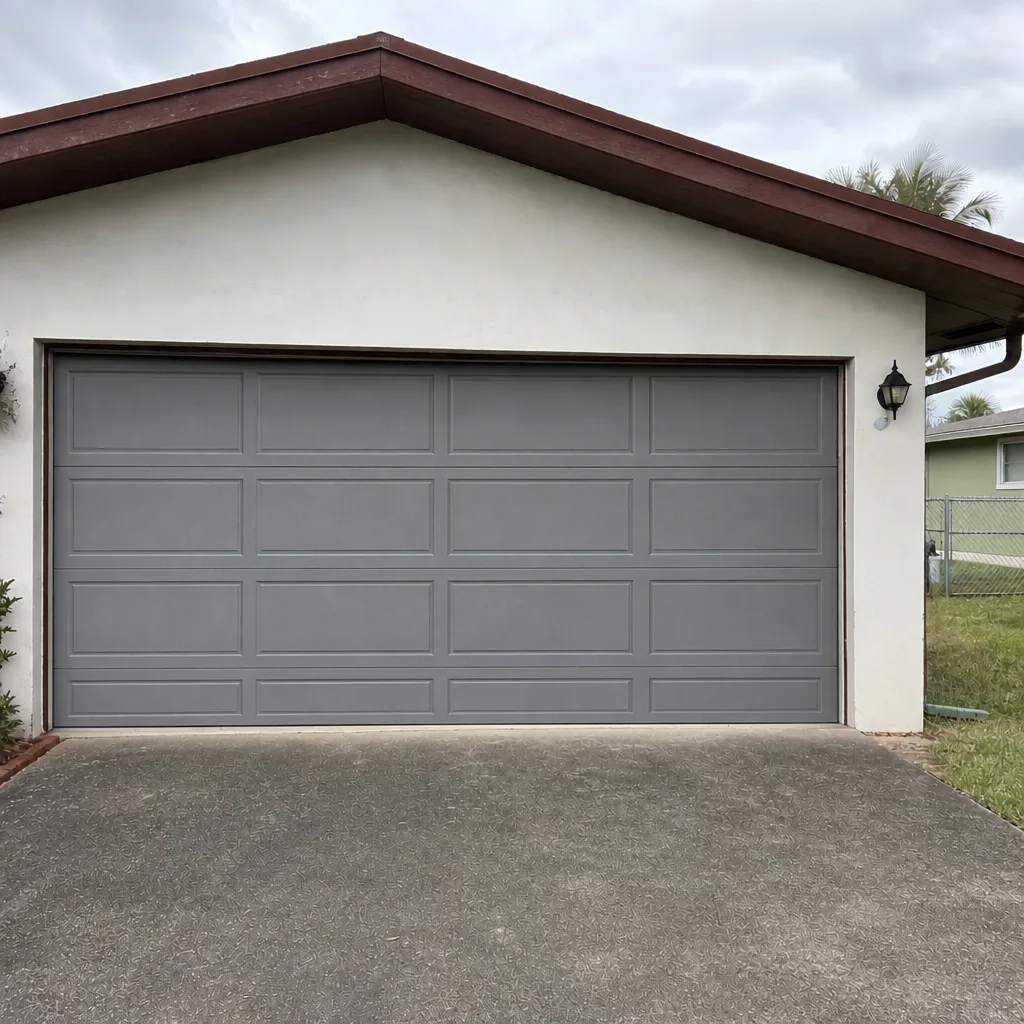
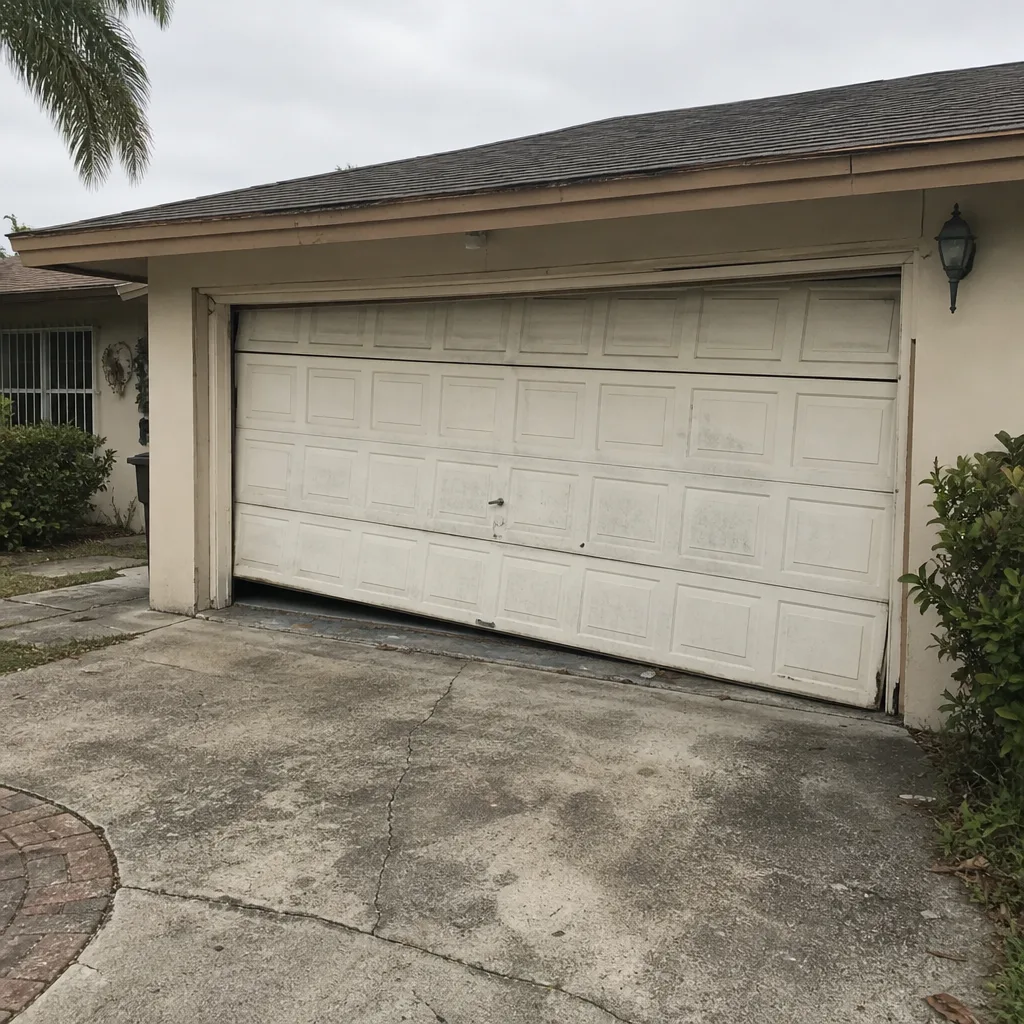
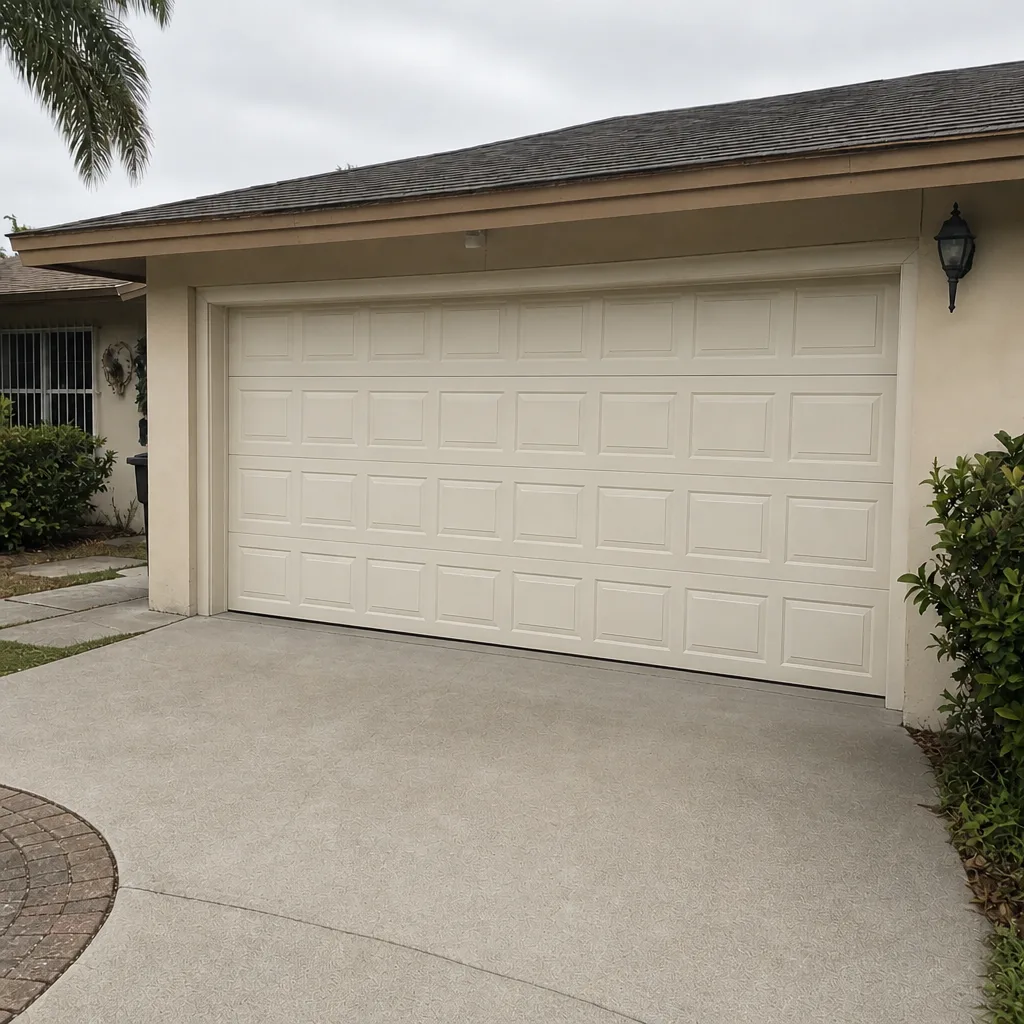
See the difference
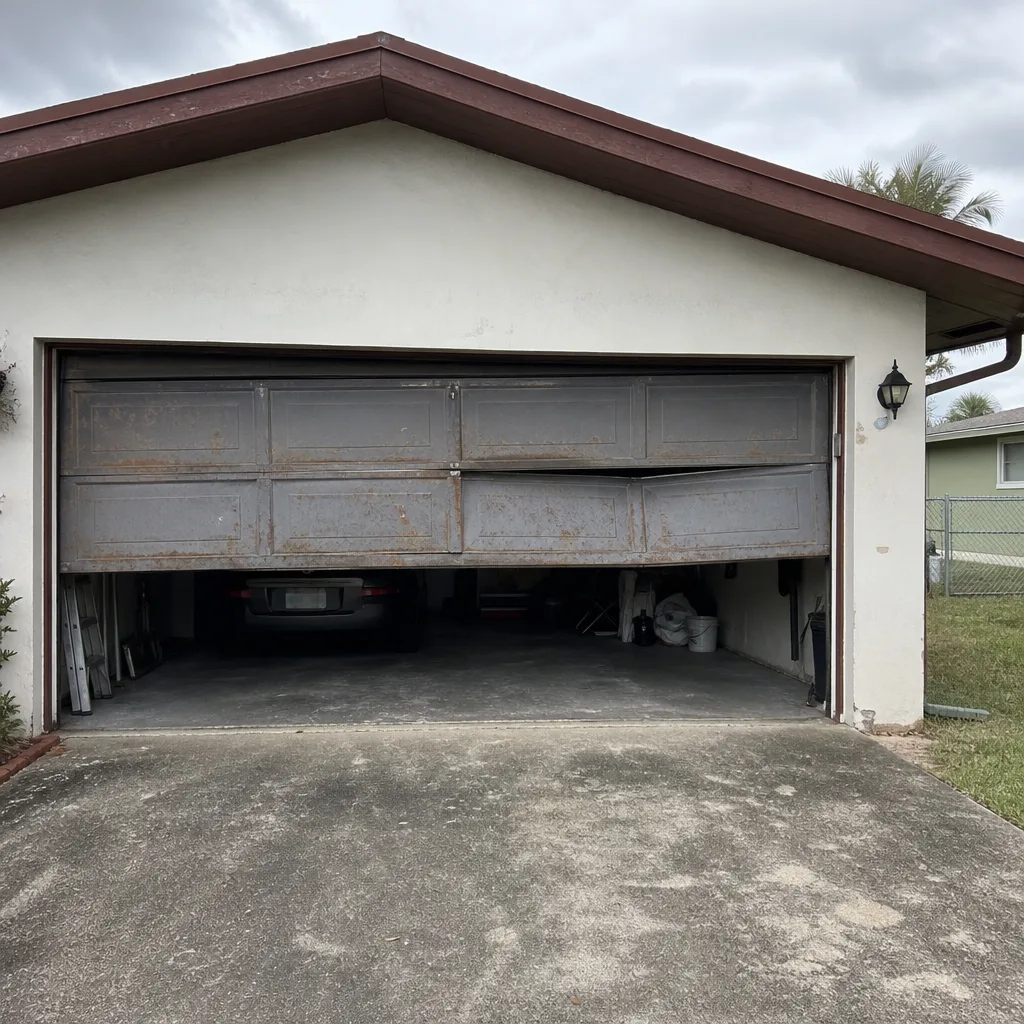 Before
 After
 Before
 After
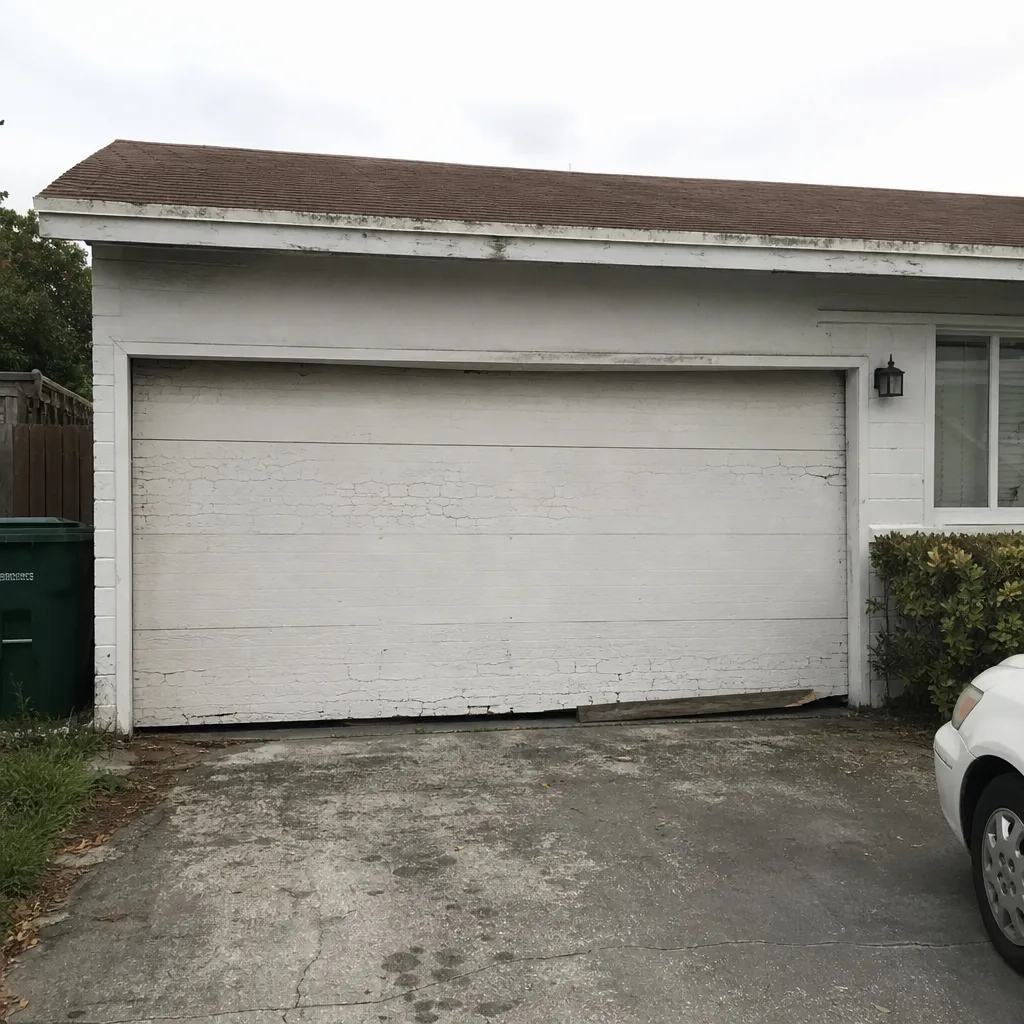 Before
 After
When to Call a Professional
Call a professional before you commit to a brand when the approved list is short and you’re unsure which models fit your opening. Call sooner if your existing door won’t close, hangs unevenly, or the opener struggles to lift it, because those signal a mechanical problem that a new door won’t fix. Spring and cable work is genuinely dangerous; a torsion spring under tension can cause serious injury, so leave it to a trained technician. Miami Gardens Garage Door Repair Co offers free estimates in Miami Gardens – call (877) 583-5491. We connect you with a vetted local professional, the price is quoted and agreed before any work starts, and we work on the brands you already own, from Clopay doors to Genie openers.
Frequently Asked Questions
There’s no single best brand; the right pick is the model with a current Miami-Dade approval that fits your opening and budget. In practice, Clopay and Amarr offer the broadest span of approved residential lines, while Wayne Dalton and CHI work well when their shorter approved lists match what you want. Verify the exact model before buying. Call (877) 583-5491 for a free estimate and we’ll help you compare approved options.
Many homes in Miami Gardens sit in the high-velocity hurricane zone, where doors typically need a current product approval to be installed. Approval attaches to specific models and configurations, so check the exact model in Miami-Dade’s NOA database. When in doubt, ask your city’s building department and ask your installer to show the approval number on the quote.
LiftMaster and Chamberlain lead on battery-backup availability and humidity-rated components, with Genie a solid alternative depending on the model. Look for battery backup so you can open the door during a power outage, and confirm the unit’s capacity matches your door’s weight. Call us to match an opener to your door.
Often partly, and with conditions. Door warranties usually cover the door itself, openers are covered by the opener maker, and labor is covered by the installer, so three parties may be involved. Many warranties require professional installation and an approved model. Get the terms in writing before you sign. Call (877) 583-5491 for a free estimate.
Steel with a durable finish and good hardware is the most reliable common choice, while aluminum resists rust and wood needs the most care in this humidity. Whatever the material, the finish system and hinges and rollers decide longevity. The model still needs approval, so check it first. Call us for a free estimate.
Yes, we can install a homeowner-supplied door, but confirm its approval and weight before you buy it. Some store models don’t carry Miami-Dade approval, and an unapproved door can be expensive to sort out. Check the model in the NOA database, then call (877) 583-5491 and we’ll measure and price the install in writing.
The Bottom Line
Brand reputation gets you to a shortlist; the exact model’s Miami-Dade approval is what actually clears a door for a Miami Gardens install. Clopay and Amarr give most homeowners the widest span of approved options, Wayne Dalton and CHI work well within their shorter lists, and Raynor covers specific needs. On the opener side, LiftMaster and Chamberlain lead on battery backup and humidity tolerance, with Genie a fit for some setups. Match the door and opener, read the warranty carefully, and get a written price before work begins. When the door won’t move, call us.
Written by the team at Miami Gardens Garage Door Repair Co.