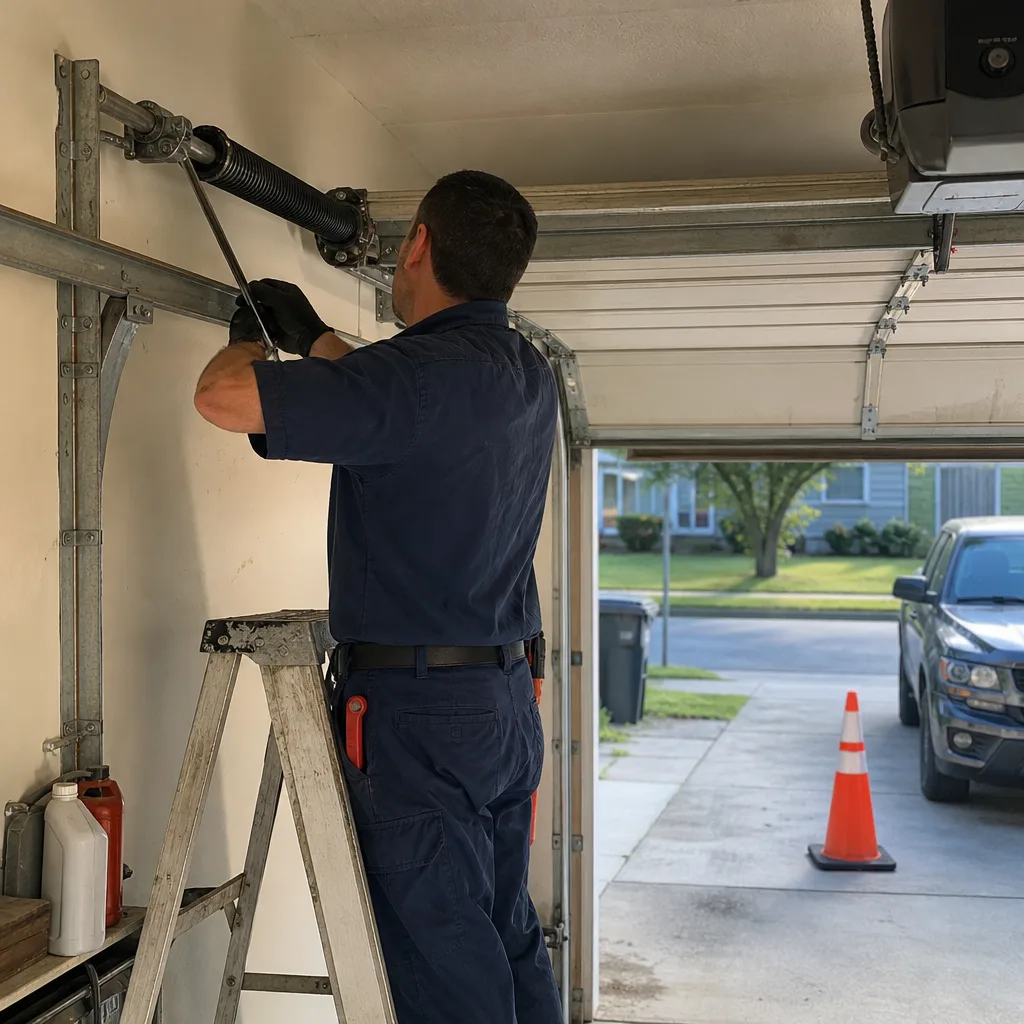
Last updated November 22, 2026
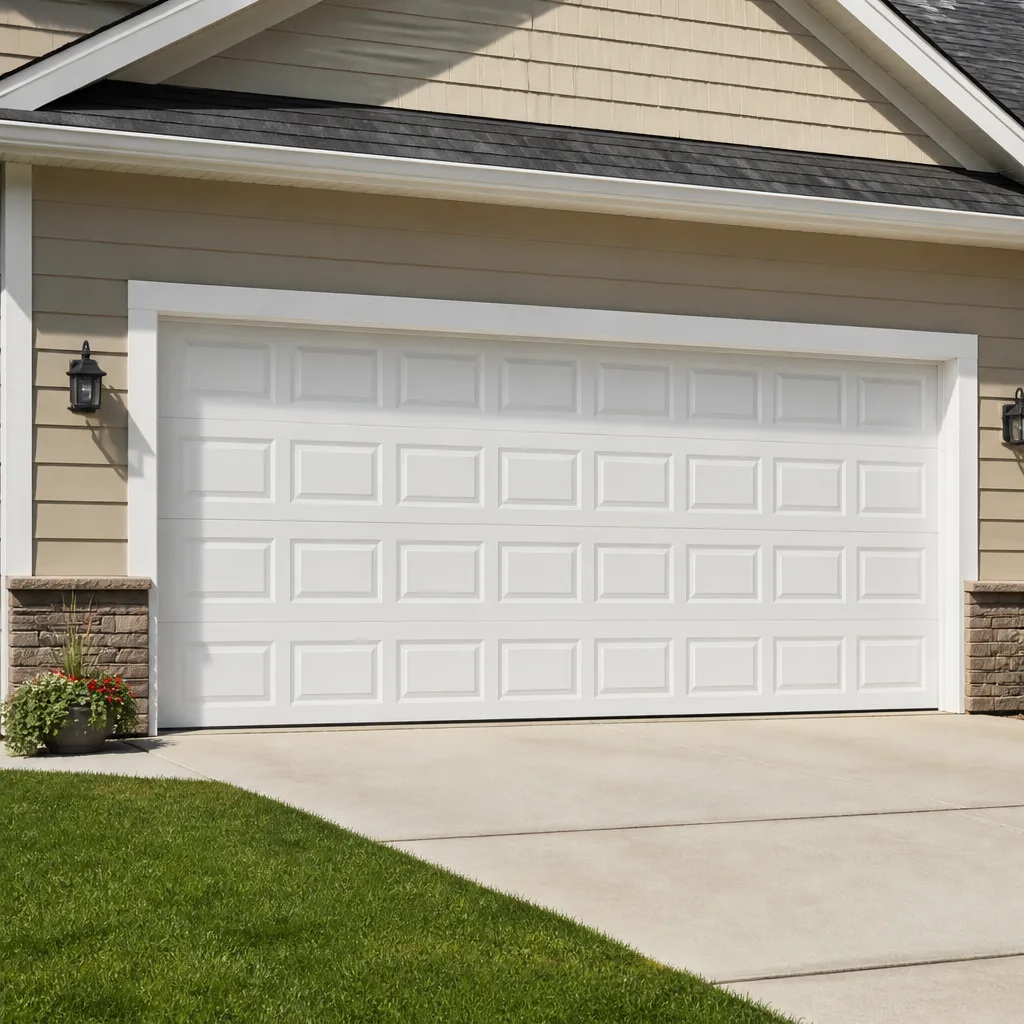 Raised-panel steel
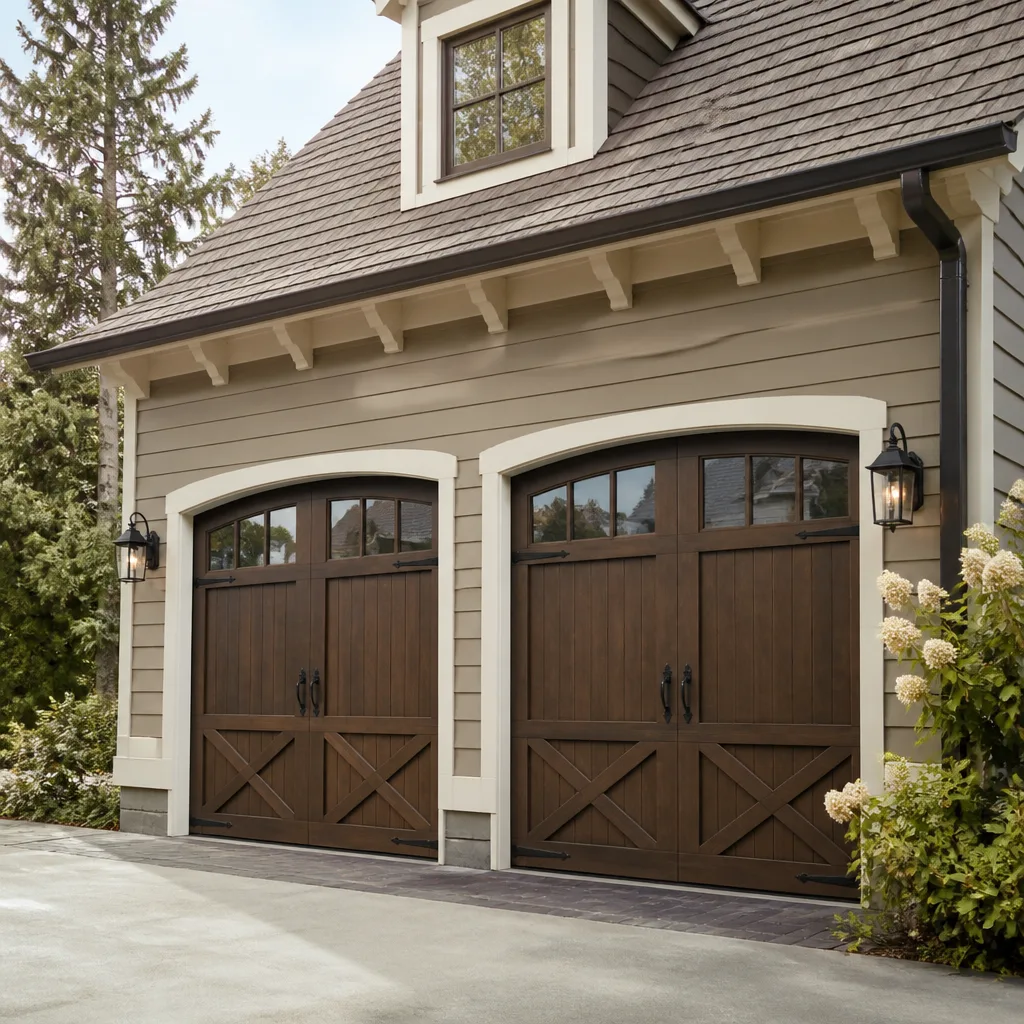 Carriage house
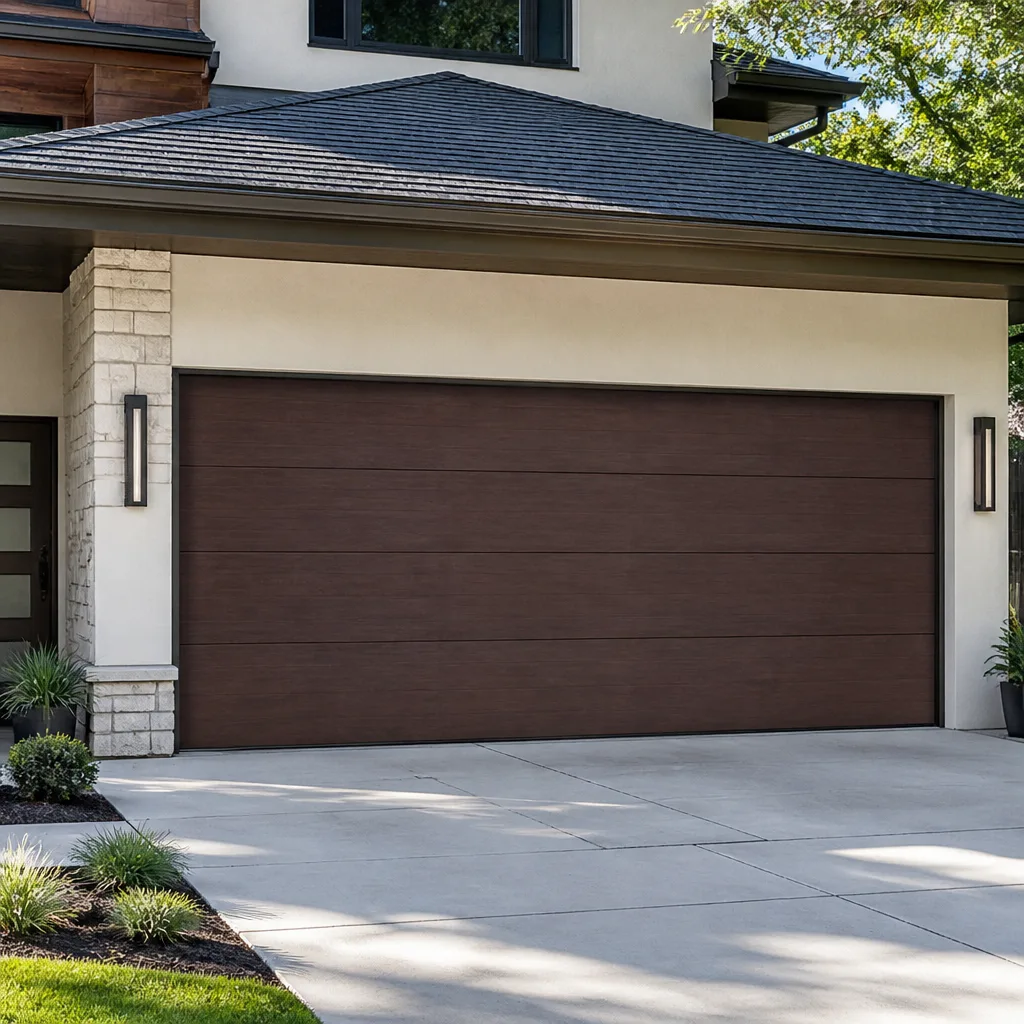 Modern flush
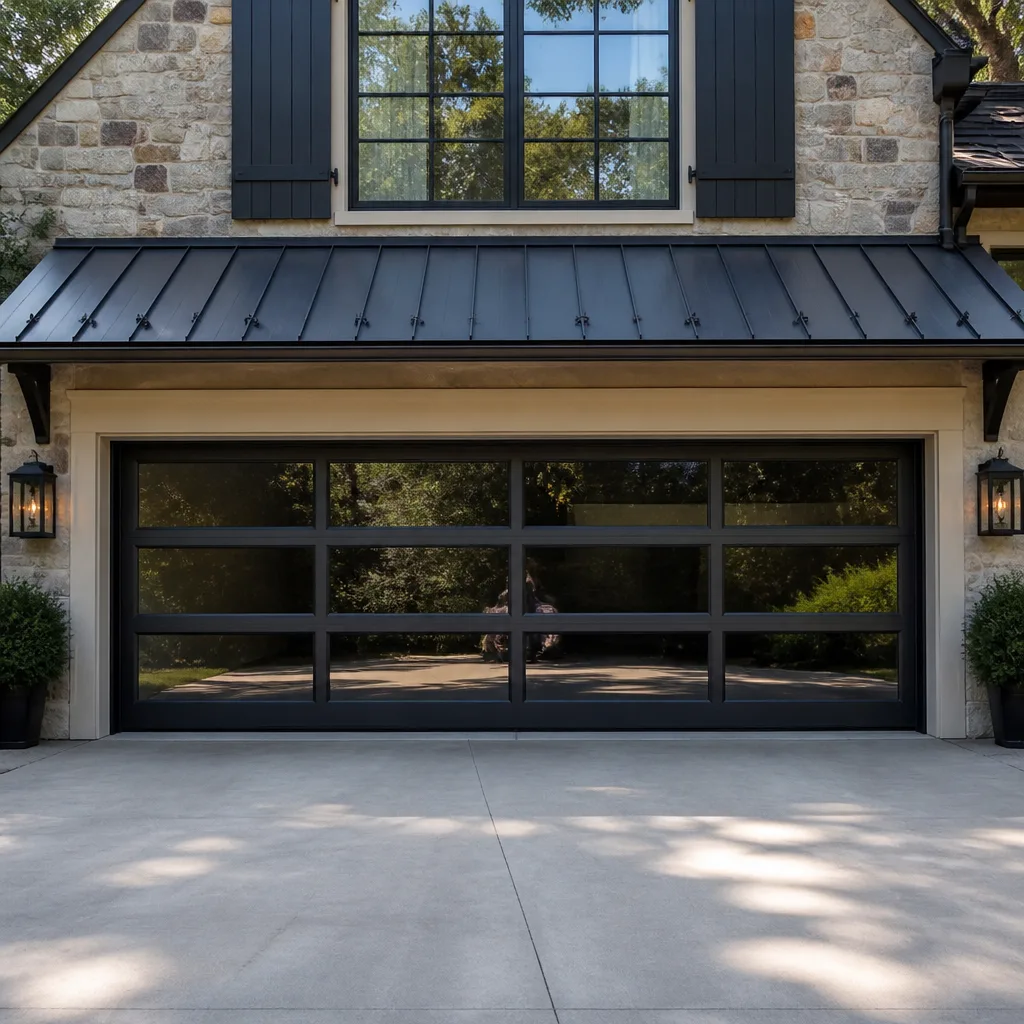 Full-view glass
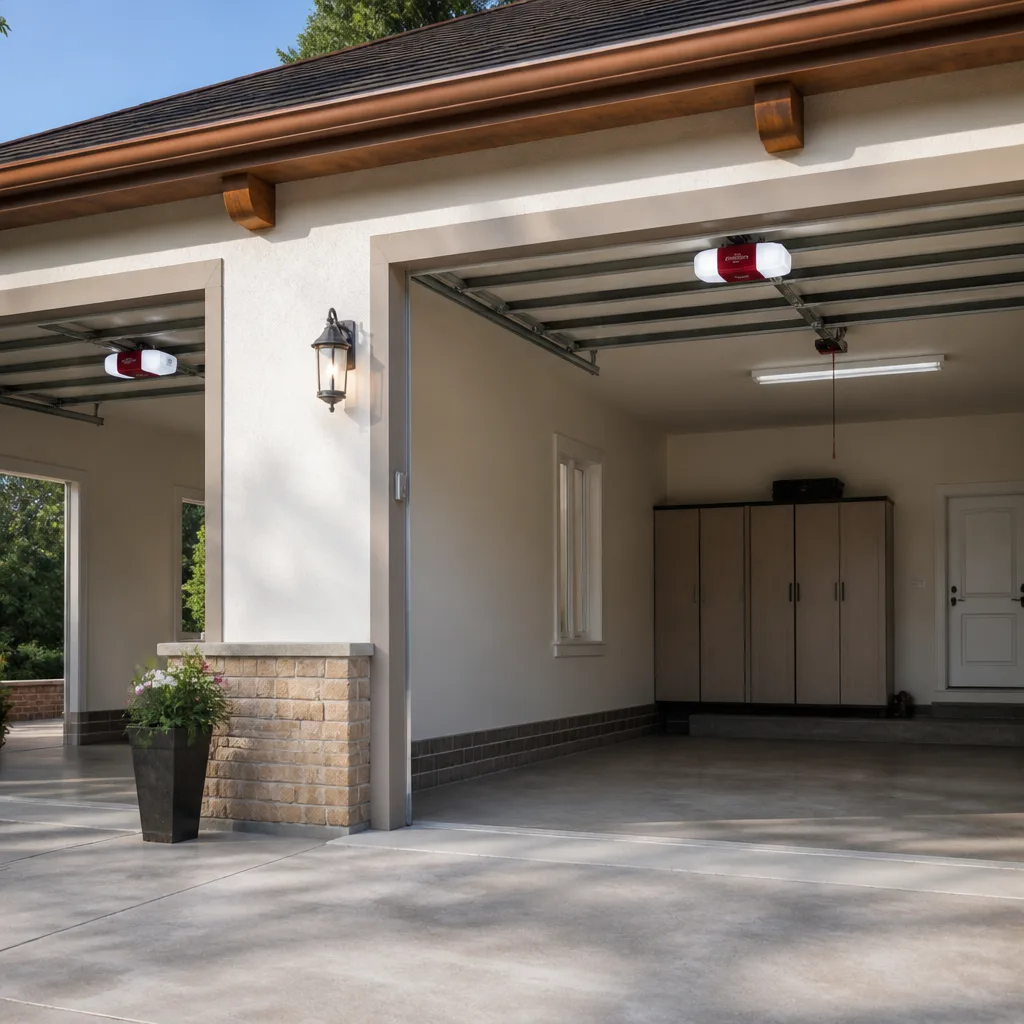 LiftMaster openers
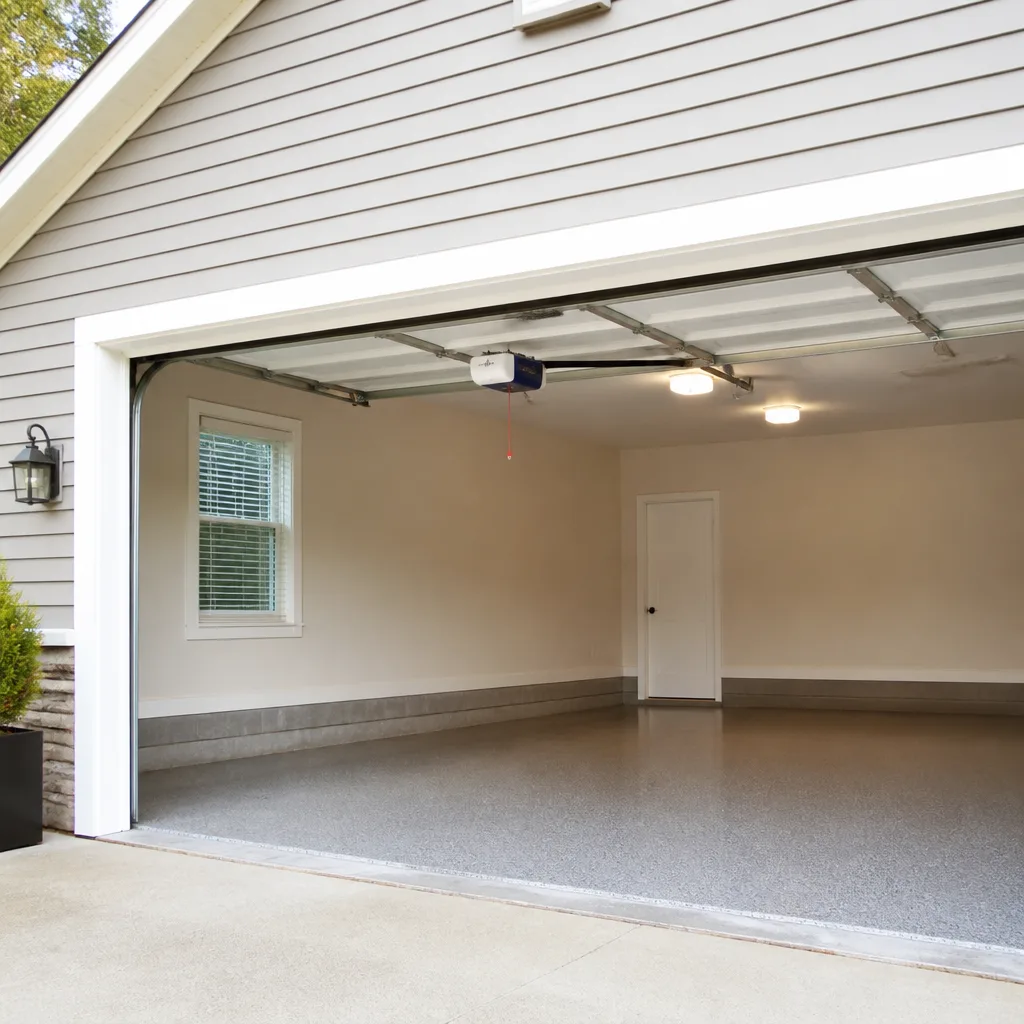 Chamberlain openers
Full 25-point door and opener safety check with every visit - springs, cables, rollers, tracks, and your LiftMaster or Chamberlain opener included
You get a price before we start. It does not change when the pro arrives.
Get your free estimateSeasonal Garage Door Care for Miami Gardens: Year-Round Homeowner’s Guide
People say Miami Gardens weather is the same all year. That’s the mistake. Our wet season, our hurricane window, our long dry season of hard sun, and the short cold snaps we do get each push on a garage door in different ways. A bottom seal that rots every summer is telling you something. So is an opener that surges when storms roll through. So are springs that lose tension after months of heat. This guide breaks the year into the four operational seasons a garage door actually lives through in Miami Gardens, and shows you what to check, when, and what to leave to a technician. It’s the schedule we’d hand a neighbor.
Quick Answer
Garage door care in Miami Gardens follows four real seasons, not the calendar you grew up with: a pre-hurricane prep window in May, a wet season from June through October, a dry UV-heavy stretch from November through April, and the occasional cold snap that catches openers and springs off guard. The essentials are simple: torque and test before storm season, keep water draining away from the bottom seal, protect painted steel and fiberglass from sun damage, and recheck door balance once a year after all that thermal cycling. Do those four things and most doors here last far longer between repairs.
Styles & brands we work with
- Raised-panel steel
- Carriage house
- Modern flush
- Full-view glass
- LiftMaster openers
- Chamberlain openers
Table of Contents
- Why Miami Gardens Has Four Garage Door Seasons
- Pre-Hurricane Season Checklist (May)
- Wet Season: Water, Seals, and Standing Puddles (June – October)
- Dry Season and UV Exposure (November – April)
- Cold Snap Response: When the Temperature Drops Below 50°F
- The Annual Balance Check Most Homeowners Skip
- Working With the Brands You Already Own
- Common Mistakes to Avoid
Why Miami Gardens Has Four Garage Door Seasons
The national garage door advice you find online is built for places with hard winters and freeze-thaw cycles. That advice doesn’t map onto Miami Gardens. What does map is the way our local conditions stress the two separate systems that make up a garage door: the door itself (panels, springs, tracks, hardware, seals) and the opener (motor, remotes, smart controls, safety sensors). Each season hits those systems differently. Treating the year as one long blur means you miss the specific windows when a little attention prevents a bigger repair.
Here’s how we think about the year, and it’s the frame this whole guide uses:
- May – pre-storm prep: tighten hardware, inspect panels, refresh weather seals, test the opener’s battery backup before the hurricane window opens.
- June through October – wet season: water management. Standing water under the door works on the bottom seal and the tracks, and heavy rain finds every gap.
- November through April – dry season: the long stretch of intense sun that fades paint, dulls fiberglass, and bakes the lubricant out of moving parts.
- Cold snaps: brief dips below 50°F that make springs stiff and openers sluggish, and that a lot of homeowners read as a failure when it’s really just cold.
There’s a fifth item that isn’t a season but deserves its own section: the annual balance check. After a full year of all that thermal cycling, the door’s springs and hardware settle and drift, and balance is the single number that tells you whether the whole system is healthy. We’ll get to that. But first, the seasons themselves, starting with the one that matters most in Miami Gardens.
Pre-Hurricane Season Checklist (May)
Before the storm window opens, spend an afternoon on the door. This is the month to catch the loose bolt, the cracked panel, and the dead backup battery while the weather is still calm and a technician can schedule you without a rush. A garage door that’s torqued, sealed, and structurally sound is one less thing to worry about when a system is approaching. We’ve walked plenty of Miami Gardens homeowners through this list in person, and the same handful of items comes up every time.
Work through it in order:
- Torque the hardware. Check every hinge, bracket, and roller carrier for loose bolts. Vibration over a season works fasteners loose, and a loose bracket lets the door run out of alignment. Snug them, don’t overtighten.
- Inspect the panels. Look for dents, cracks, and separation between sections. A panel that’s already cracked is a weak point in wind, and on some doors a damaged panel can be replaced on its own rather than the whole door.
- Replace tired weather seals. The bottom seal and the perimeter seals are what keep wind-driven rain out. If the bottom seal is stiff, cracked, or leaving a gap you can see light through, replace it before the rain starts.
- Test the opener’s battery backup. Unplug the opener or trip the breaker and then try to open and close the door using the wall control or remote. If nothing happens, the backup battery is dead or missing and needs replacing. This matters in Miami Gardens when a storm takes the power out and you still need the door to move.
- Clear the tracks and test the safety reverse. Wipe the tracks clean, check that the door runs smoothly by hand, and confirm the safety sensors at the bottom stop and reverse the door when something is in the way.
- Confirm the emergency release works. Every homeowner should know how to pull the release to disengage the opener by hand. Test that the cord and lever move freely before you need them.
If any step turns up a problem you’re not comfortable fixing, that’s the moment to call, not the day before a storm. Book an inspection and get the door ready while there’s time on the calendar.
Wet Season: Water, Seals, and Standing Puddles (June – October)
From June through October, the issue in Miami Gardens is water. The bottom seal is the part that takes the hit. It sits at floor level, and every time rain sheets across the driveway and pools at the threshold, that seal is soaking. Over a wet season it goes soft, then cracked, then brittle. Once it’s failed, water gets under the door, into the tracks, and onto the lower panel and hardware. That’s where rust and rot start. A bottom seal is one of the cheapest parts on the door and one of the most important to keep in good shape.
What to watch for during the wet months:
- Water pooling at the threshold. If you see a puddle on the garage floor along the bottom of the door after rain, the seal, the threshold, or the grade is the culprit.
- A seal that leaves a gap. Close the door and look for daylight under it. A visible gap means wind-driven rain has a path in.
- Rust on the lower hardware and track. Rust is a sign water is sitting where it shouldn’t. Cleaning it early stops it spreading.
- Bugs and debris in the tracks. Warm, wet conditions bring insects and grit into the track. Clear the tracks so the door runs clean.
The fix for persistent water is usually about slope and threshold, not just the seal. If water runs toward the door instead of away from it, replacing the seal alone won’t solve it. A threshold seal, a small drainage correction, or a combination of the two can redirect water away from the opening. We look at how the water actually moves on your property before recommending anything. If the lower panel or hardware has already rusted through, that’s a garage door repair job that’s better caught early than after it spreads to the frame.
Dry Season and UV Exposure (November – April)
The dry season in Miami Gardens is the long stretch of strong, direct sun from November through April. UV does its damage from the outside in. On painted steel, it fades the finish and breaks down the protective coating over time, and once the coating fails the steel underneath is exposed to everything the weather throws at it. On fiberglass and composite panels, UV dulls and chalks the surface and makes it brittle. Your door faces that sun every day of the season, and the side that takes the most of it is the side you rarely look at.
Coating maintenance is the answer, and it’s mostly a matter of timing. Here’s the routine that keeps a painted or fiberglass door healthy through the dry months:
- Wash the door. Rinse off dust, pollen, and grit so the surface is clean before you assess the finish. A clean door shows its real condition.
- Check the finish. Look for fading, chalking, and spots where the paint has worn thin or started to peel. Those are the areas that need attention first.
- Touch up or recoat. A fresh coat renews the UV protection the sun wears away. Panel repairs and touch-ups are part of keeping the whole door looking and working right.
- Lubricate the moving parts. Heat bakes lubricant out of hinges, rollers, and springs. Re-lubricating moving parts at the start and end of the dry season keeps the door running quietly and reduces wear.
If your panels have faded past the point where a recoat helps, or a fiberglass panel has gone brittle enough to crack, a full door replacement may be the better move than chasing a finish that won’t come back. The dry season is the right time to plan that kind of project, because it’s a scheduled job, not an emergency.
Cold Snap Response: When the Temperature Drops Below 50°F
A few times each winter, Miami Gardens gets a genuine cold snap. The temperature drops below 50°F, and suddenly the garage door that’s worked fine all year starts groaning, running slow, or stopping halfway. Homeowners read this as a failure. More often it’s just cold. Metal springs stiffen in low temperatures and need more force to move. Opener motors and the lubricant in the tracks thicken and drag. The door feels wrong for a couple of mornings and then goes back to normal when the air warms up.
A few things to understand about the cold snaps here:
- Stiff springs are normal in the cold. A spring that’s slightly under tension runs fine on a warm day and labors on a cold one. If the door moves slowly for a morning and recovers once the day warms, that’s usually the temperature, not a failed part.
- Opener sluggishness is common. Motors and lubricated parts resist more in the cold. Give the opener a second before assuming it’s dying.
- Repeated problems are not the cold. If the door keeps failing after the temperature comes back up, the spring or the opener has an issue that the cold only revealed. That’s a real repair, and it’s worth having a technician look at it.
- Don’t force a door that won’t move. If the door is stuck in cold weather, don’t keep cycling the opener hoping it clears. That’s how you turn a sluggish part into a broken one.
When a door won’t move at all, or a spring lets go in the middle of a cold snap, that’s the kind of repair that can’t wait for a scheduled appointment. When the door won’t move, we do. Our technicians have up to 9 years of experience diagnosing exactly this kind of cold-weather behavior, and they’ve seen it enough to tell the difference between a temperature quirk and a part that’s actually failing.
The Annual Balance Check Most Homeowners Skip
After a full year of wet seasons and dry seasons and cold snaps, thermal cycling takes a quiet toll. The door settles, the springs drift, and the door that opened smoothly in January may be working noticeably harder by December. The balance check is how you find that out before a hard part fails. It’s the single most skipped task in garage door care, and it’s the one that tells you the most about the health of the system.
Here’s how a balance check works, done carefully:
- Disengage the opener. Pull the emergency release so the door moves by hand only. Never test balance with the opener connected.
- Open the door halfway. Move it up to roughly the middle of its travel and let go.
- Watch what it does. A balanced door should stay where you let it go. If it drifts down, the springs are losing tension. If it drifts up, they’re too tight. If it slams or falls fast, stop and call a technician.
- Test the safety reverse. With the door connected again, place a solid object in the door’s path at the bottom and confirm the door reverses. This is the safety feature you depend on most.
If your door fails the balance check, the door is telling you its springs or hardware need attention. Springs are under extreme tension, and adjusting or replacing them is one of the most dangerous jobs in this trade. We handle springs as a named specialty, but we never recommend a homeowner touch them. When balance is off, that’s a call for garage door spring repair from a trained technician who knows exactly what the tension means.
Working With the Brands You Already Own
A lot of garage doors in Miami Gardens are built from parts and systems from a handful of common brands, and the door and the opener are two separate systems that each need care. On the door side, you’ll run into manufacturers like Amarr, Wayne Dalton, Clopay, and Raynor. On the opener side, it’s the brands you see on wall controls and remotes: LiftMaster, Chamberlain, Genie, and Craftsman. Each has its own parts and its own quirks, and knowing those quirks makes for a faster diagnosis and a correct, first-time parts order.
What that means for you is practical. When we arrive at a Miami Gardens home, we don’t have to guess at the brand of a Wayne Dalton panel or fumble with the programming menu on a Genie opener. We work on the brand you already have. That saves a return trip when a part gets ordered wrong, and it means the repair on a Raynor door or a LiftMaster opener is done right the first time. If your door is at the end of its life, we can also walk you through a full replacement, so a single provider can take you from the broken spring today to the new door next year without switching. Replace when repair stops making sense, not before.
Common Mistakes to Avoid
Most of the garage door problems we see in Miami Gardens trace back to a few recurring mistakes. Avoiding these keeps doors working longer and keeps homeowners from turning a small issue into a larger repair.
- Ignoring the bottom seal until it fails. In our wet season the bottom seal takes the most abuse of any part on the door. Replace it at the first sign of stiffness or cracking, not after water has been getting in for a season.
- Testing balance with the opener connected. A balance check is meaningless with the motor engaged, and forcing a door that’s out of balance can damage the opener. Always disengage before testing by hand.
- Letting the dry season go by without lubricating the moving parts. Heat bakes the lubricant out of hinges, rollers, and springs, and a dry door wears faster. Keep the moving parts lubricated through the UV-heavy months.
- Fixing garage door springs yourself. Springs are under extreme tension, and adjusting or replacing them is how serious injuries happen. This is a job for a trained technician, every time.
- Forgetting the opener’s battery backup before storm season. A dead backup battery means a door that won’t move when the power is out. Test it in May, not when a storm is approaching.
- Assuming a slow door in a cold snap is broken. Cold stiffens springs and lubricants, and the door often recovers when the temperature rises. If it doesn’t recover, then it’s a real repair.
- Waiting for a small problem to become an emergency. A loose bolt, a worn seal, or a door that’s drifting out of balance is cheap to fix now and expensive to fix later, especially in Miami Gardens where storms and water find weak points fast.
See the difference
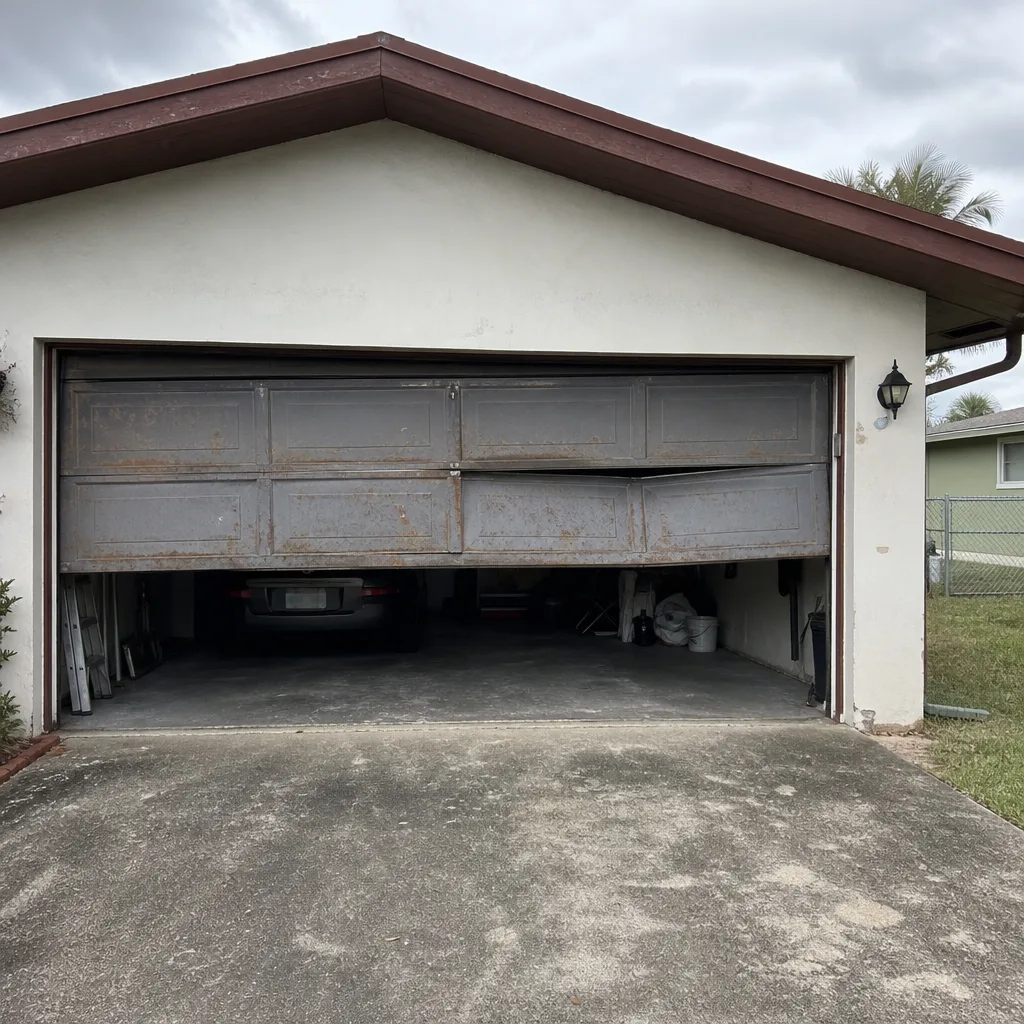 Before
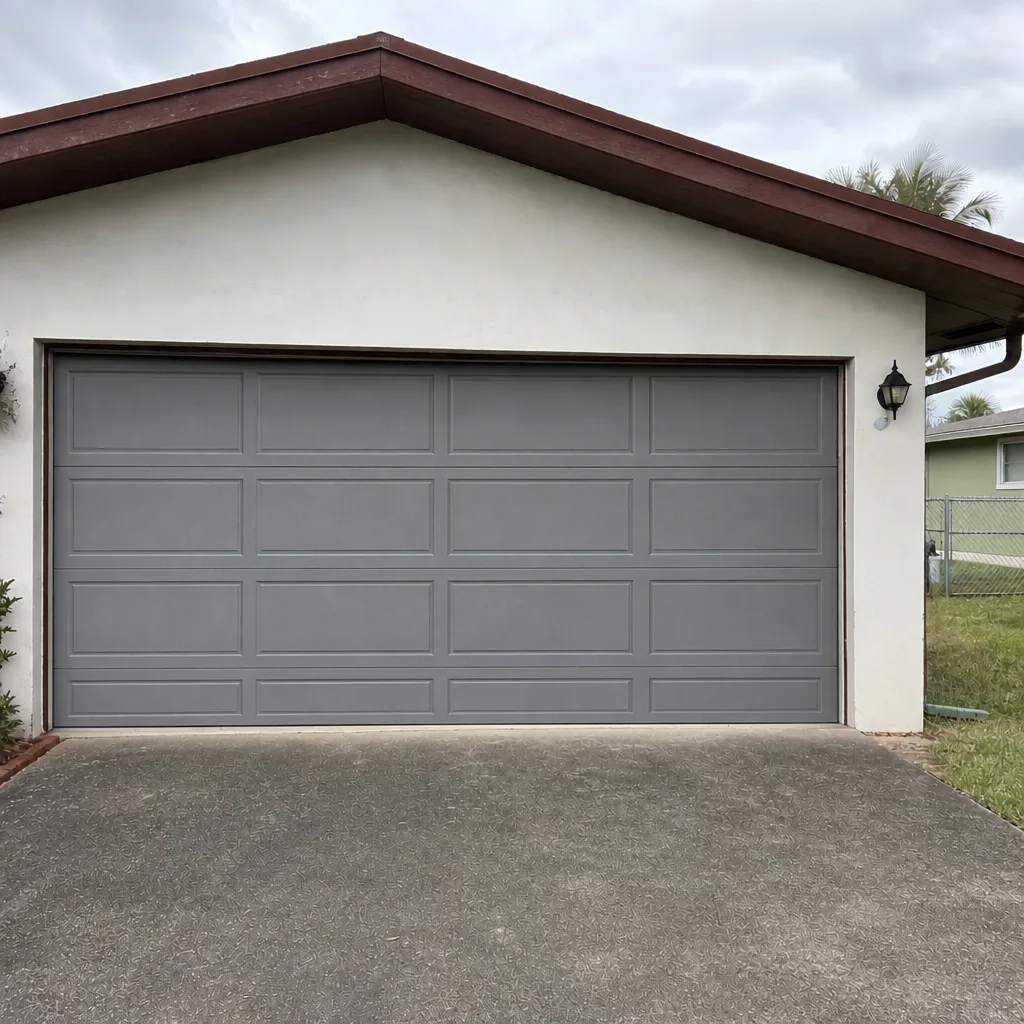 After
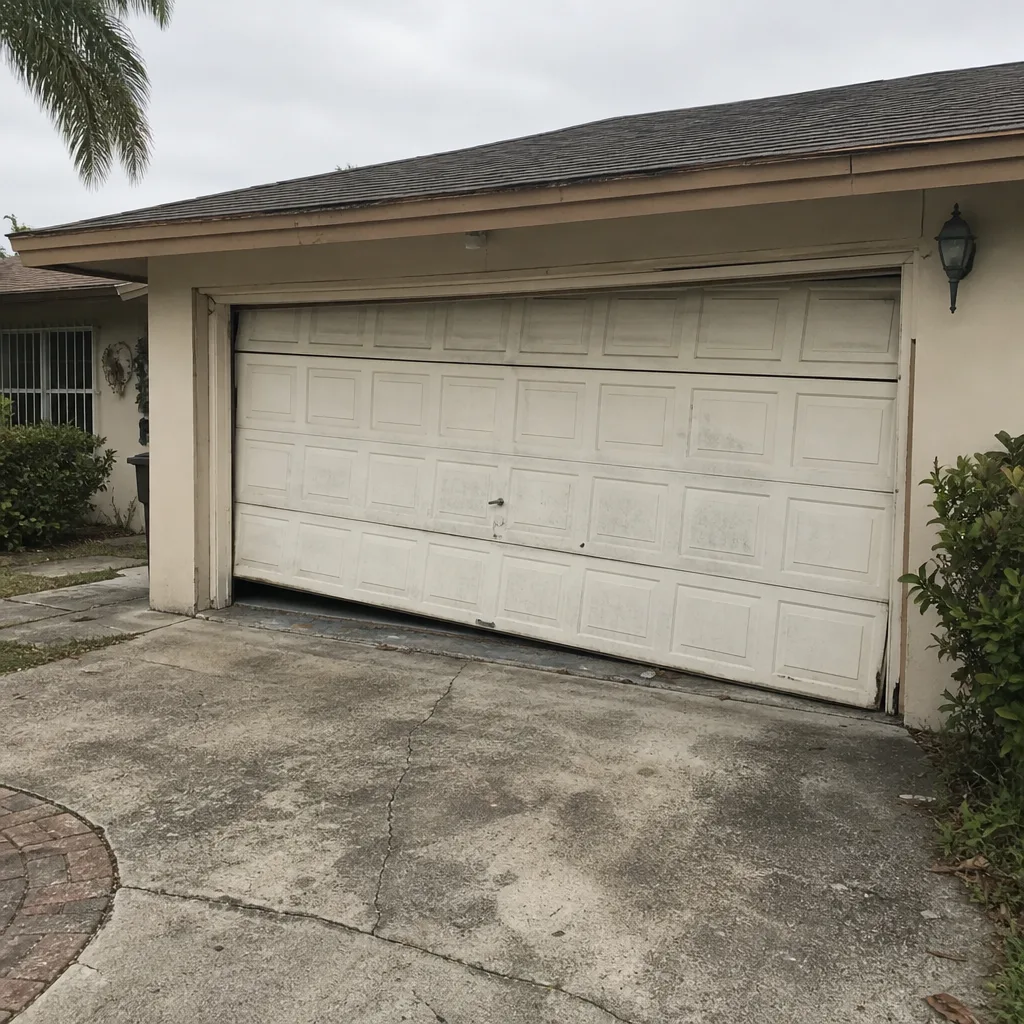 Before
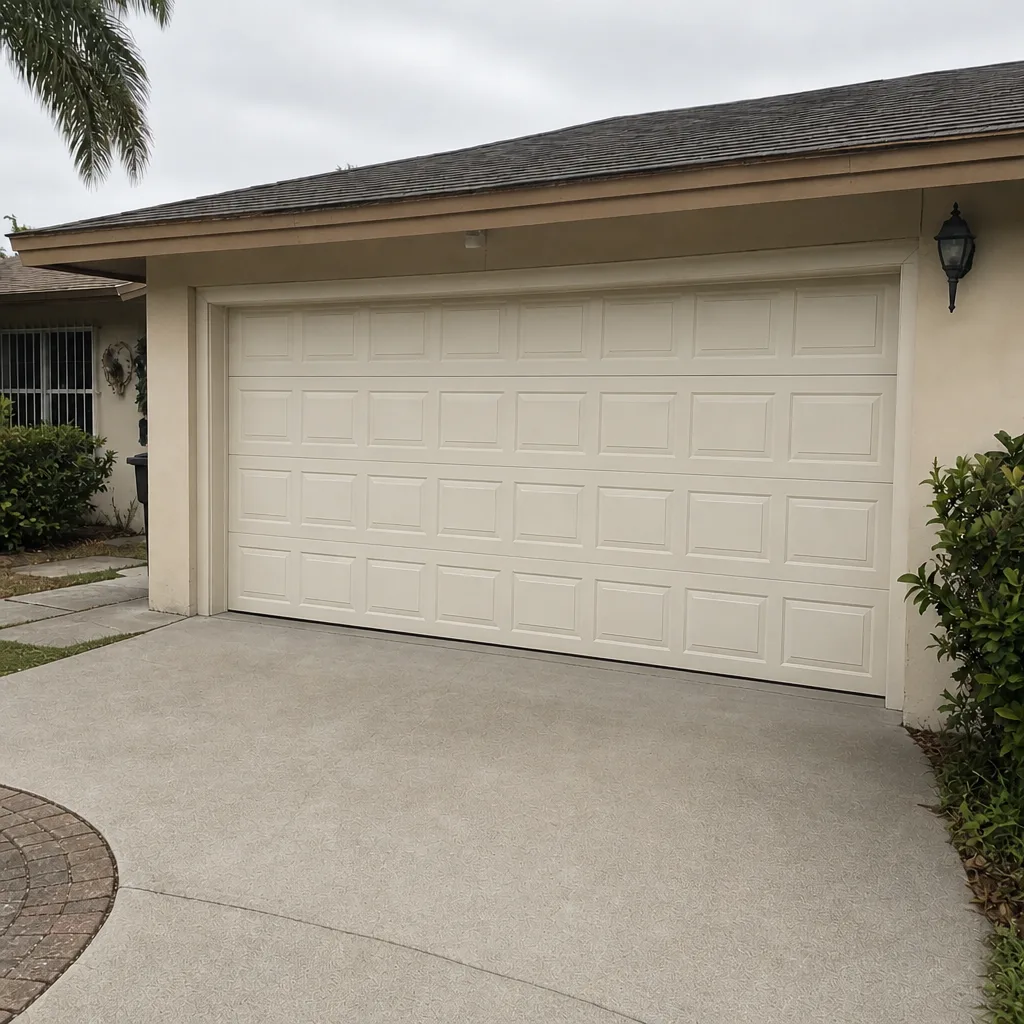 After
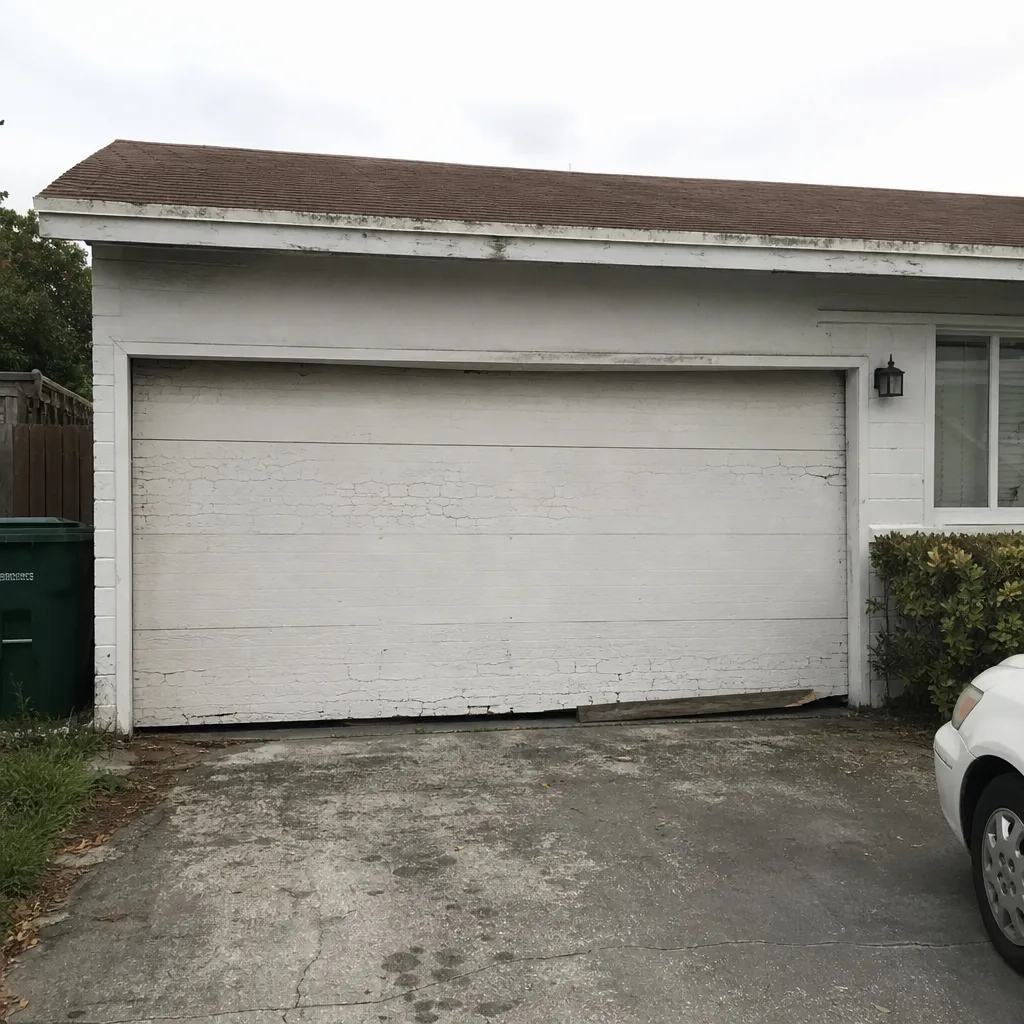 Before
 After
When to Call a Professional
Some of the seasonal checklist is homeowner territory: washing a door, wiping tracks, testing a battery backup, watching for water. The rest needs a trained professional. Call when a spring is broken or the door is out of balance, when a panel is cracked or a track is bent, when the opener stops responding to either the remote or the wall control, or when water has been getting under the door for more than a season and the lower panel or hardware is showing rust. Also call if a door won’t close, won’t open, or reverses on its own. Miami Gardens Garage Door Repair Co offers free estimates in Miami Gardens and dedicated emergency service for the situations that can’t wait for a scheduled appointment. Call (877) 583-5491.
Frequently Asked Questions
Do a light inspection and lubrication twice a year, once at the start of the wet season in May and once before the dry season, plus an annual balance check. Texas-style winter maintenance doesn’t apply here; our seasons are wet, hurricane, dry-UV, and cold snap, and each one stresses the door differently. Call (877) 583-5491 to book an inspection if you’re not sure where your door stands.
Cold weather stiffens garage door springs and thickens the lubricant in the tracks, so the door runs slower and louder for a few mornings when the temperature drops below 50°F. That’s normally the temperature, not a failed part, and it clears as the day warms. If the problem sticks around after the warm-up, it’s a real issue and worth a technician’s look.
Check hardware torque, panel condition, weather seals, the opener’s battery backup, and the emergency release. Tighten loose bolts, replace a cracked or stiff bottom seal, and test that the door opens on battery power with the electricity off. May is the right month to do it, before the storm window opens and while a technician can still schedule the work without a rush. Call (877) 583-5491 for a free estimate on any repairs the checklist turns up.
Replace a worn bottom seal, and check the slope and threshold so water drains away from the door rather than toward it. A failed seal lets water into the tracks and onto the lower panel, where rust starts. If puddles form inside after rain even with a good seal, the problem is usually slope or threshold, and a threshold seal or drainage fix is the answer. Call (877) 583-5491 and we’ll look at how water moves on your property before recommending anything.
Yes. Intense, direct sun through the dry season fades painted steel and breaks down the protective coating, and it chalks and embrittles fiberglass panels from the outside in. Washing the door, checking the finish, and touching up or recoating when the paint wears thin keeps the UV protection intact. If panels have faded past what a recoat can fix, a replacement may be the better call.
The local professionals we connect you with are licensed and insured as their state requires, and our technicians have up to 9 years of experience. The price is quoted and agreed before any work starts, so you know the cost before a technician touches the door. We work on both the door and the opener, across brands including Amarr, Wayne Dalton, Craftsman, and Raynor. Call (877) 583-5491 for a free estimate in Miami Gardens.
The Bottom Line
Miami Gardens doesn’t have four calendar seasons, but it has four garage door seasons, and each one stresses the door differently. Prep in May before the hurricane window opens: torque the hardware, inspect the panels, replace tired seals, and test the opener’s battery backup. Through the wet season, keep water draining away from the bottom seal. Through the long dry season, protect painted and fiberglass panels from UV and keep the moving parts lubricated. Handle cold snaps with patience, and do the annual balance check that most homeowners skip. Do those four things and a fifth, and your door will outlast the weather it lives in.
Whether you need a broken spring fixed, an opener that won’t respond diagnosed, or a full door replaced, Miami Gardens Garage Door Repair Co handles the whole system in one call. Our free estimates mean you know the price before the work starts. Call (877) 583-5491 today.
Written by the team at Miami Gardens Garage Door Repair Co.