Last updated November 22, 2026
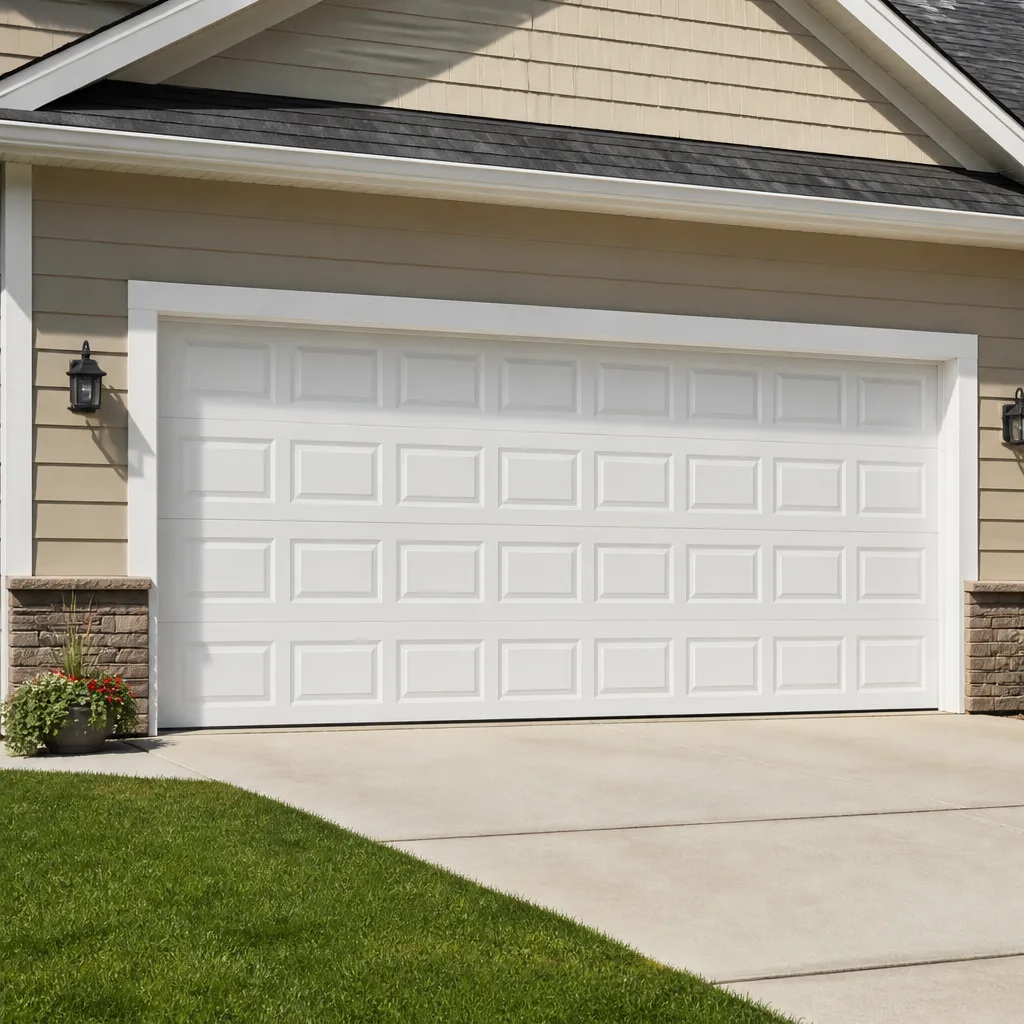 Raised-panel steel
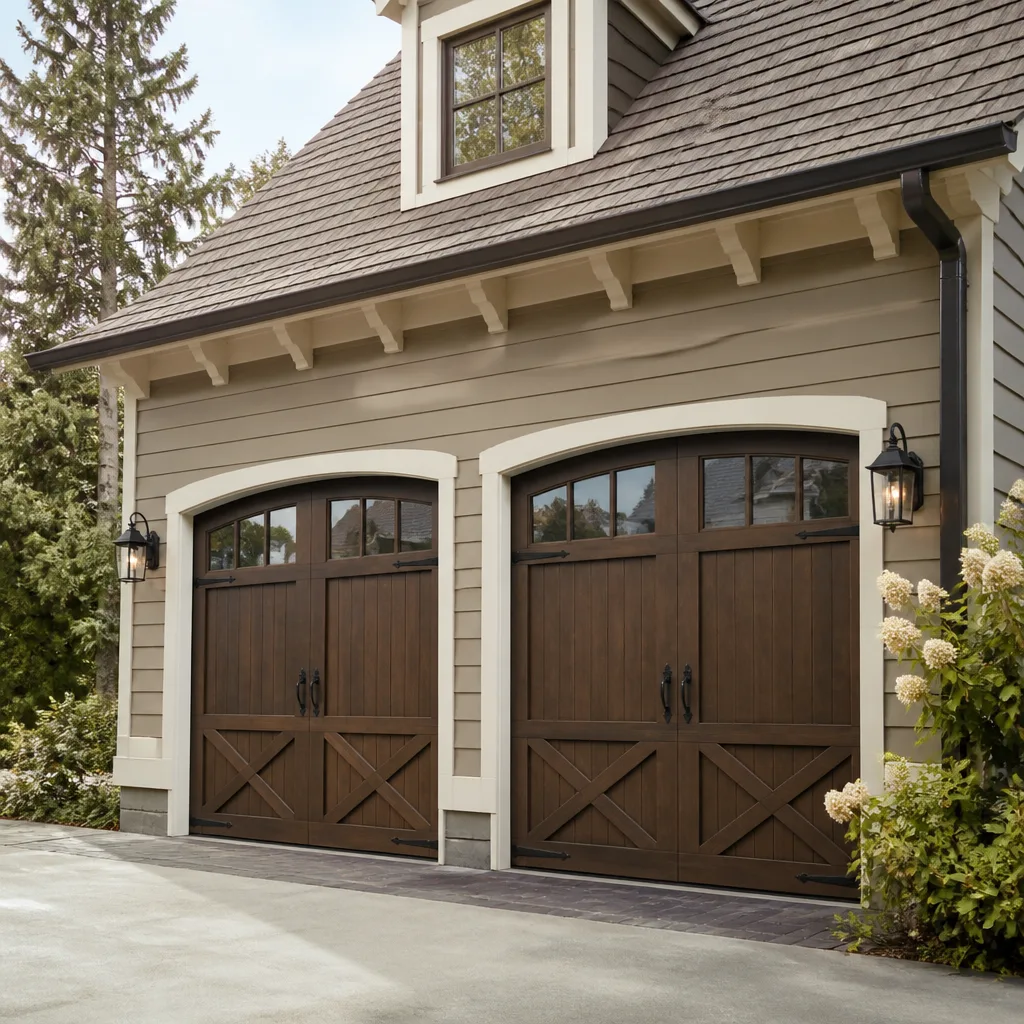 Carriage house
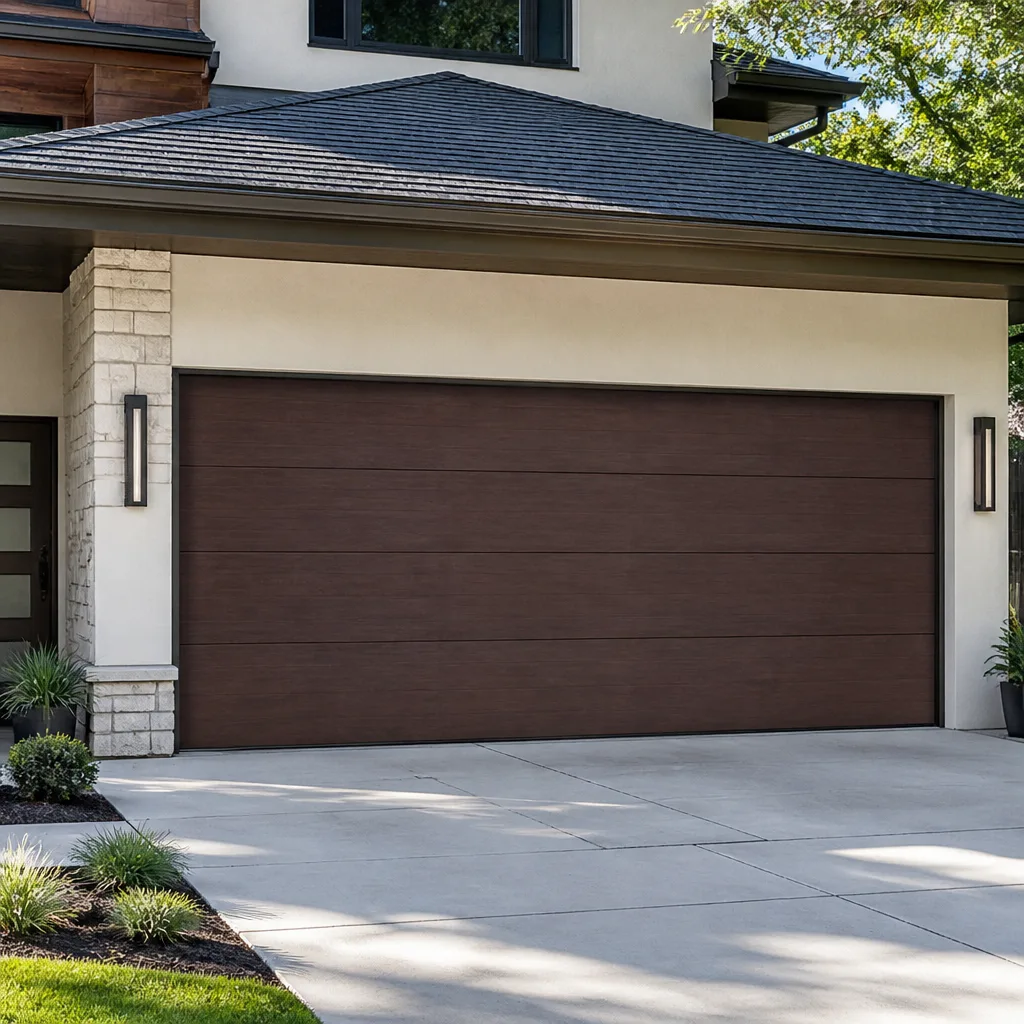 Modern flush
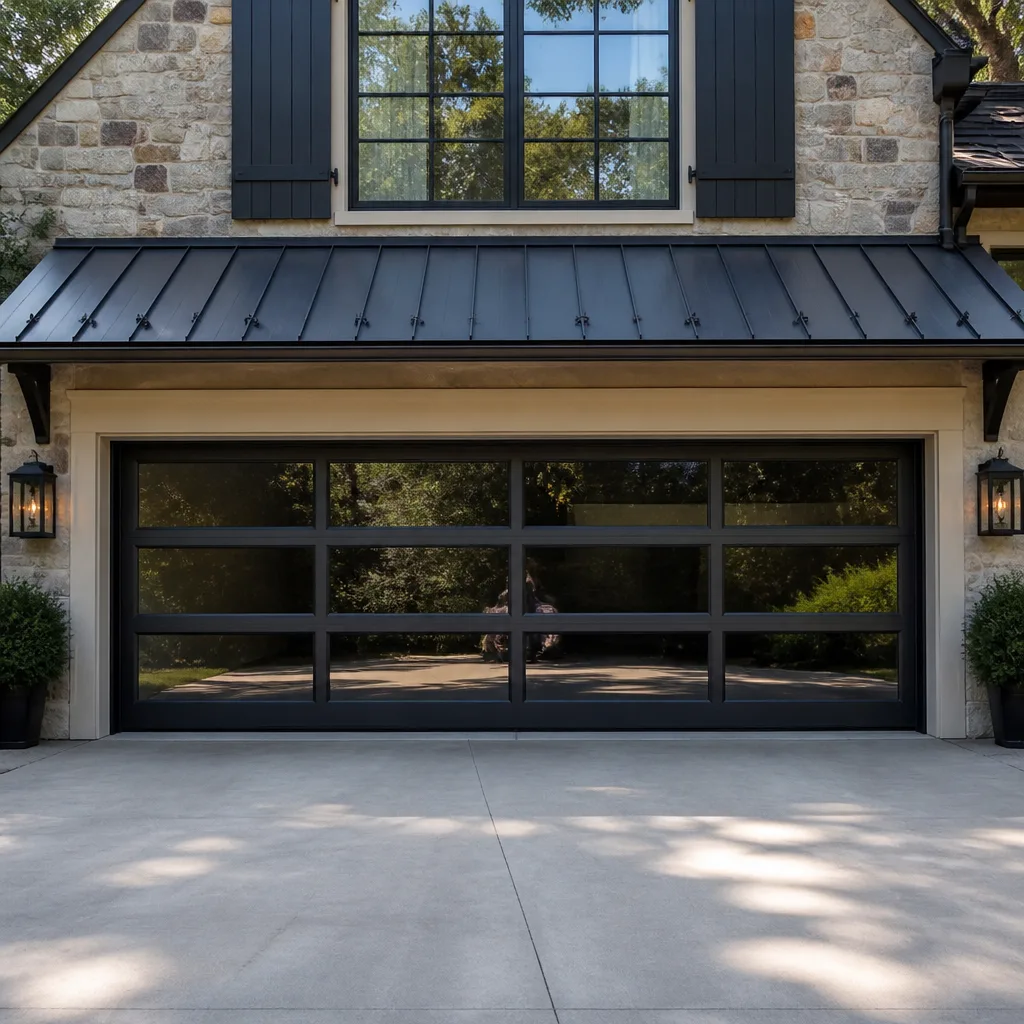 Full-view glass
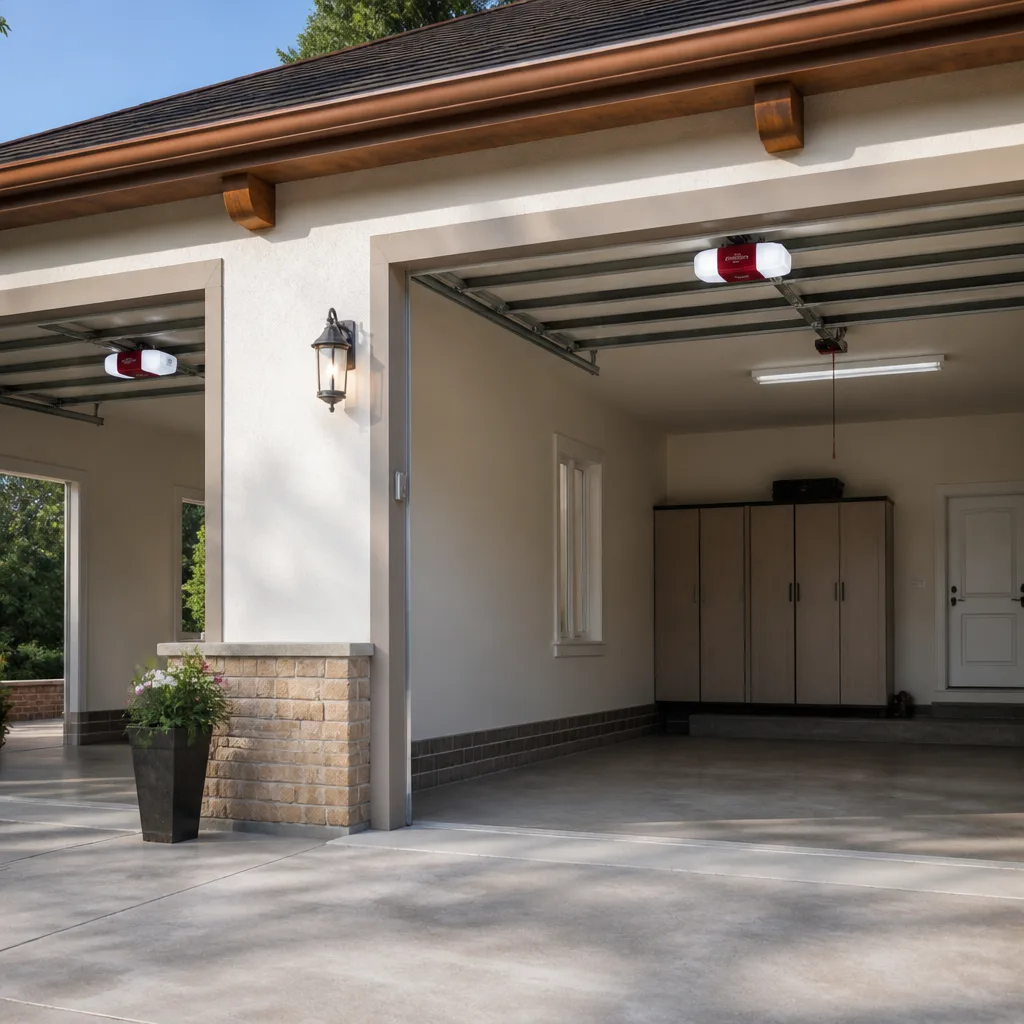 LiftMaster openers
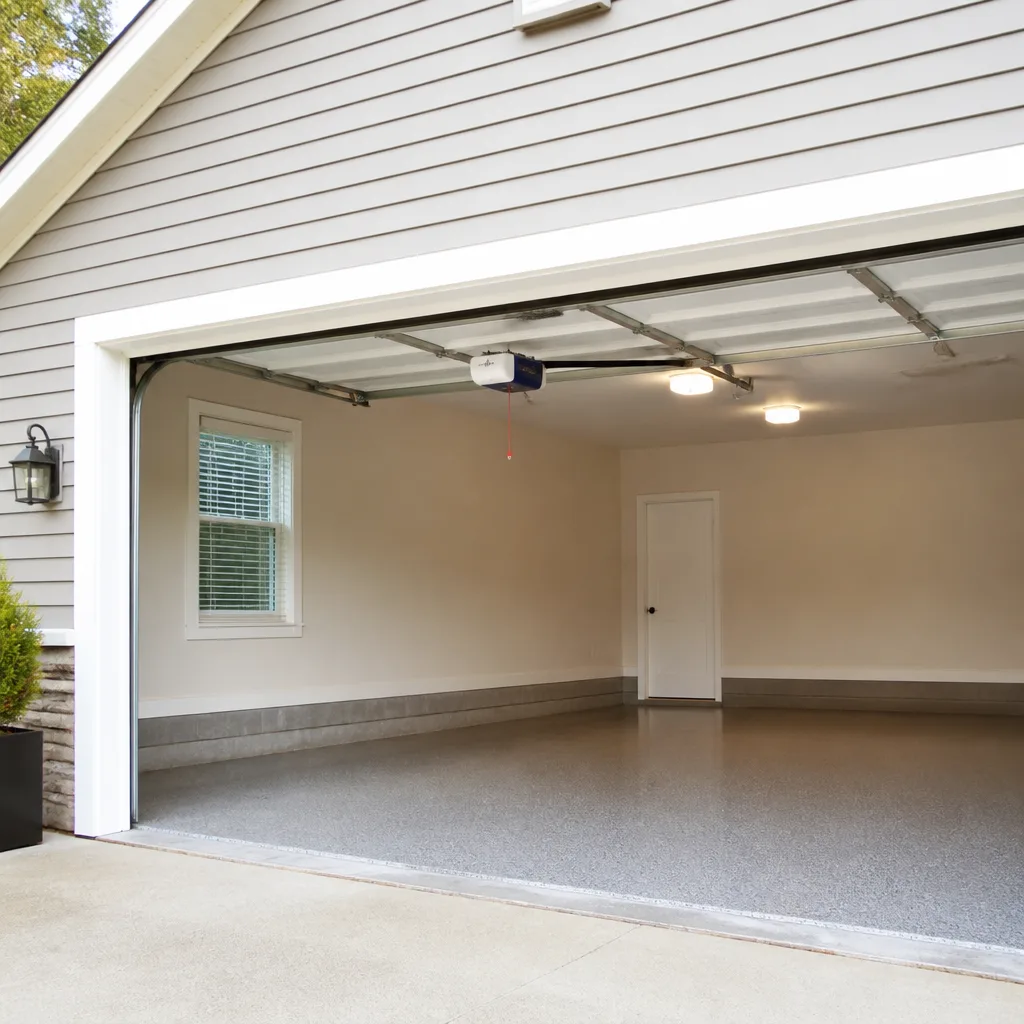 Chamberlain openers
Full 25-point door and opener safety check with every visit - springs, cables, rollers, tracks, and your LiftMaster or Chamberlain opener included
You get a price before we start. It does not change when the pro arrives.
Get your free estimateGarage Door Permits, Codes & Inspections in Miami Gardens, FL: What You Need to Know
Most homeowners assume a garage door replacement is a simple swap: old door out, new door in. In Miami Gardens, that assumption can cost you later. A like-for-like door change that alters the wind-load rating or the way the door attaches to your house can require a permit under Miami-Dade County rules, and skipping it can create headaches when you sell, file a storm claim, or sit for a 4-point inspection. This guide walks through the actual permit triggers, how the county’s Notice of Acceptance system works, what inspectors flag, and how to check whether a previous installation on your home was ever permitted.
Quick Answer
In Miami Gardens, a garage door replacement generally needs a permit when the new door changes the wind-load rating, the structural attachment method, or the door’s labeled design pressure. Straight repairs – springs, rollers, tracks, opener swaps – usually don’t need one. Miami-Dade County enforces its own Notice of Acceptance (NOA) product-approval system on top of the Florida Building Code, so the door and its fastening details have to be documented before work starts.
Styles & brands we work with
- Raised-panel steel
- Carriage house
- Modern flush
- Full-view glass
- LiftMaster openers
- Chamberlain openers
Table of Contents
- Does replacing a garage door require a permit in Miami Gardens?
- Why Miami-Dade County is stricter than the state baseline
- How Miami-Dade’s Notice of Acceptance (NOA) system works
- What a 4-point inspection looks for on your garage door
- The inspection sequence after installation
- How to check if a previous installation was permitted
- Repair versus replacement: where the line really sits
- Common mistakes to avoid
Does replacing a garage door require a permit in Miami Gardens?
Sometimes yes, sometimes no, and the answer depends less on the door itself than on what the installation changes. A permit is typically required when the new door carries a different design pressure rating than the one it replaces, when the fastening method to the framing changes, or when the opening’s structural attachment is modified. It’s also usually required when the door size or weight class changes enough that the tracks and reinforcement need rework.
Work that generally does not need a permit:
- Replacing broken springs (torsion or extension), with matched pairs handled together
- Swapping rollers, hinges, bearings, and cables on an existing door
- Replacing or repairing an opener motor, remotes, or safety sensors
- Re-aligning a bent track back to the existing anchors
- Replacing a single damaged panel with the same part on the same door
Work that usually does need a permit:
- Full door replacement where the wind-load rating changes
- New construction or an addition that creates a new garage opening
- Enlarging or reconfiguring an existing opening
- Changing the attachment method or reinforcement hardware to the framing
- Converting a carport or screened opening into an enclosed garage
For a Miami Gardens homeowner, the safest move before any door swap is to call the city’s building department and describe exactly what’s changing. They’ll tell you whether the project needs a permit and what documentation the contractor has to submit. It costs nothing to ask, and it prevents a much larger question later.
Why Miami-Dade County is stricter than the state baseline
Florida has a statewide building code, and Miami-Dade County enforces it with a local overlay that’s noticeably tougher. The county sits in the state’s highest wind zone, and that status means garage doors – the largest opening on most homes – are treated as structural components, not finish items. A garage door that fails in a wind event pressurizes the whole house, which is why the county treats ratings, fasteners, and product approvals as a package rather than a suggestion.
What that means in practice for Miami Gardens:
- The door has to be rated for the design pressure of the opening, documented by the manufacturer
- The anchor and fastener schedule published by the manufacturer has to be followed, not improvised
- Products must be approved through the county’s own evaluation system (more on that below)
- The installation has to be inspected by the county before it’s considered complete
We’ve seen plenty of doors installed correctly from a mechanical standpoint that still fail the paper trail, because the product was never evaluated for Miami-Dade and the installer didn’t catch it until inspection day. That’s the gap this section exists to close: correct installation and correct documentation are two separate jobs, and both matter here. The brand ecosystem homeowners already own – LiftMaster, Chamberlain, Genie, Clopay, Amarr, Wayne Dalton, Craftsman, Raynor – each carries its own documentation trail, and knowing which products have a Miami-Dade approval saves time on the front end.
How Miami-Dade’s Notice of Acceptance (NOA) system works
A Notice of Acceptance, or NOA, is Miami-Dade County’s product-approval document. It says a specific product – a door model, an opener, a fastening system – has been evaluated against the county’s wind-load requirements and is acceptable for use here. It’s local, it’s product-specific, and it’s separate from the state code. A door that meets the Florida Building Code baseline may still lack a Miami-Dade NOA, and in that case it’s not approvable for a permitted installation in this county.
How the system plays out on a real garage door project:
- The contractor identifies the door model and its labeled design pressure.
- They pull the manufacturer’s NOA number for that model and the opening’s pressure requirement.
- The NOA number, along with the installation instructions and fastening schedule, gets submitted with the permit application.
- The county reviews the submission against the specific opening, not just the product in general.
- If everything matches, the permit issues and work can start.
Where this trips people up is at the end of a project, not the beginning. If a contractor installs a door that doesn’t carry a valid NOA for that model and opening, the county can refuse to pass the final inspection. The door is physically in place. It works. It may even be a well-built product. But it’s unpermitted, and that status follows the house, not the installer. For Miami Gardens homeowners, that’s the scenario most worth avoiding, and the fix is asking for the NOA number before the order is placed, not after.
What a 4-point inspection looks for on your garage door
A 4-point inspection covers the four systems insurers care most about on an older home: roof, electrical, plumbing, and HVAC. The garage door itself isn’t one of the four points, but its condition and permit history surface in the same underwriting conversation, often because the inspector notes it and the insurer asks a follow-up question. An unpermitted door is one of the ways that follow-up happens.
What shows up during underwriting:
- Permit records that don’t match the door currently installed
- A door that’s rated lower than the opening requires, which an inspector may flag without full context
- Fasteners that don’t match the manufacturer’s published schedule
- Missing impact or wind-load documentation for a replacement that was never permitted
- Age mismatches between the door and the rest of the opening’s hardware
Where this tends to bite is at the point of sale or after a storm claim. The insurer pulls the property record to verify the roof and the openings, and if the garage door replacement doesn’t show up, they may ask you to document it. If you can’t, the fix is a retroactive permit application and inspection, which is doable but time-consuming during a closing window. The cleaner path is a permit at the time of installation, and the cleanest path is confirming the door carries a valid NOA before you order it.
For homeowners who already suspect a problem, our garage door repair team can inspect the existing installation and tell you what would need to change for the county to accept it. That’s often a fastener schedule and documentation issue, not a door replacement issue.
The inspection sequence after installation
Once a permitted installation is underway, the county inspection sequence runs in two general stages. The first is a rough-in inspection, done after the opening is prepped and the anchoring and reinforcement are in place but before the door is fully hung and tuned. The second is the final inspection, done once the door is installed, the opener is wired, and the safety features are functional. Some projects only require the final, depending on scope, and the permit itself will spell out which inspections apply.
What typically gets flagged for failure:
- Wrong fastener count or spacing. The most common issue by far. The manufacturer’s schedule gives an exact pattern, and shortcuts show up immediately.
- Missing or mismatched NOA documentation. The product is installed but the paper trail doesn’t match the model on the door.
- Design pressure mismatch. The door’s labeled rating doesn’t meet the opening’s requirement.
- Safety sensor height and function. The opener’s photo-eye sensors need to be positioned and working per the manufacturer’s spec.
- Track and reinforcement alignment. Improvised brackets or reinforcement that isn’t documented for the product.
- Label removal. The door’s rating label has to stay on the door. Painting or removing it can fail inspection.
If a project fails its inspection, the fix is usually a callback with corrected fasteners or additional documentation, not a full reinstall. That’s a good reason to have a contractor who’s done this before on the job – our technicians have up to 9 years of experience, including permitted installations in Miami-Dade.
How to check if a previous installation was permitted
Miami-Dade County publishes its permit records online, and you can look up a property by address to see what was permitted and when. If a garage door replacement shows up in the record with a passed inspection, you’re clear. If it doesn’t, and the door looks newer than the rest of the opening, that’s worth a follow-up before you list or refinance.
Step-by-step:
- Go to the Miami-Dade County online permit search (the county’s main portal, not a third-party aggregator).
- Enter your property address and confirm the parcel match.
- Review the permit history for entries labeled garage door, overhead door, or siding/opening replacement.
- Check that any garage door entry shows a passed final inspection, not just an issued permit.
- If records are unclear, call the building department’s records line with your folio number and ask them to confirm.
- If the door is unpermitted, ask about the retroactive permit process – it usually involves a new application, inspection, and documentation package.
If you’re buying a home in Miami Gardens, do this before the inspection window closes. It’s a 10-minute lookup that can save a much longer conversation with your lender later.
Repair versus replacement: where the line really sits
The permit question almost never comes up on repairs. It comes up when “repair” turns into “replace half the door,” and the distinction matters more than most homeowners expect. A broken spring, a failed opener, a bent track, and worn rollers are all repair territory. A door that’s cracked at the panel seams, has a failing bottom section with structural damage, or has a frame that won’t hold a standard anchor anymore is a different conversation.
What’s clearly repair:
- Spring repair – single spring or matched pair, garage door spring repair is one of the most skill-dependent jobs on the door and one of the most dangerous to attempt without the right tools
- Opener motor, board, or remote replacement – garage door opener repair is routine and usually same-day for us
- Roller, hinge, cable, and bearing swaps
- Panel replacement using an identical part number
- Track straightening that reuses the existing anchors
What’s usually replacement, and usually permitted:
- A door whose panels are structurally compromised and no longer carry their labeled rating
- A door that needs re-fastening to the framing in a new pattern
- A door whose model no longer has a valid Miami-Dade NOA
- A full door swap on a home sale or insurer request
We’ve seen this go both ways in Miami Gardens. A homeowner replaces one panel, the door still doesn’t hold its rating, and the insurer asks for documentation anyway. Or a homeowner gets talked into a full replacement when a spring and track job would have solved it. The right answer depends on the door’s current state and on the paper trail, and that’s a 20-minute conversation, not a sales call.
Common Mistakes to Avoid
- Assuming a like-for-like swap is exempt. Identical size doesn’t mean identical rating. If the new door’s design pressure differs from the old one, the county treats it as a structural change.
- Ordering a door without checking its Miami-Dade NOA. The NOA is product-specific and model-specific. Confirm it before the order goes in, not at inspection time.
- Letting the installer improvise the fastening schedule. The manufacturer publishes an exact anchor pattern for a reason. A shorter or wider pattern is a common inspection failure.
- Skipping the permit on a sale-stage install. If you’re replacing the door to help the house sell, the buyer’s lender may ask for the permit anyway. Do it upfront.
- Removing the door’s rating label. The label has to stay on the door. Painting over it or peeling it off can fail the final inspection.
- Not checking the previous owner’s records. In Miami Gardens, a door installed years ago by someone else can become your problem at closing. Pull the permit history before you buy.
- Treating spring and opener failures as replacements. These are almost always repairs. If someone quotes you a new door for a broken spring, get a second opinion.
See the difference
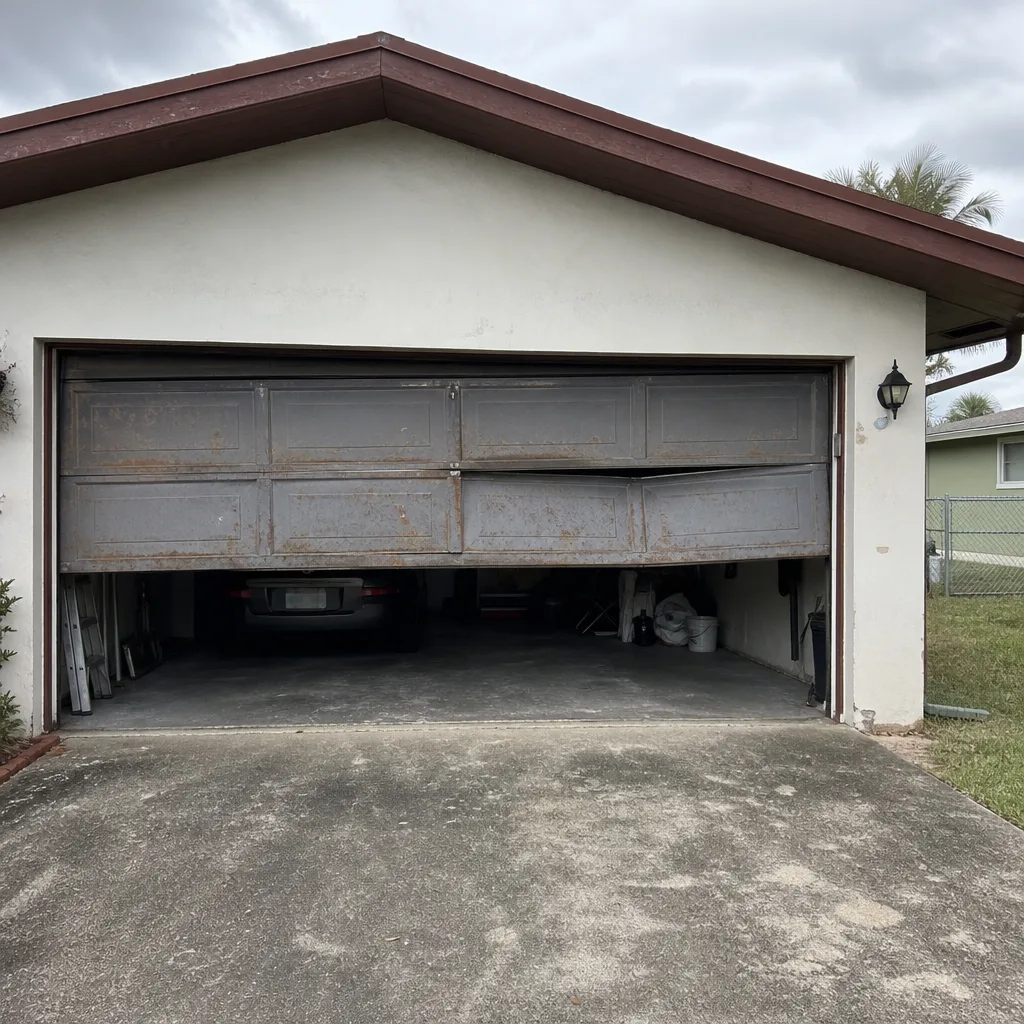 Before
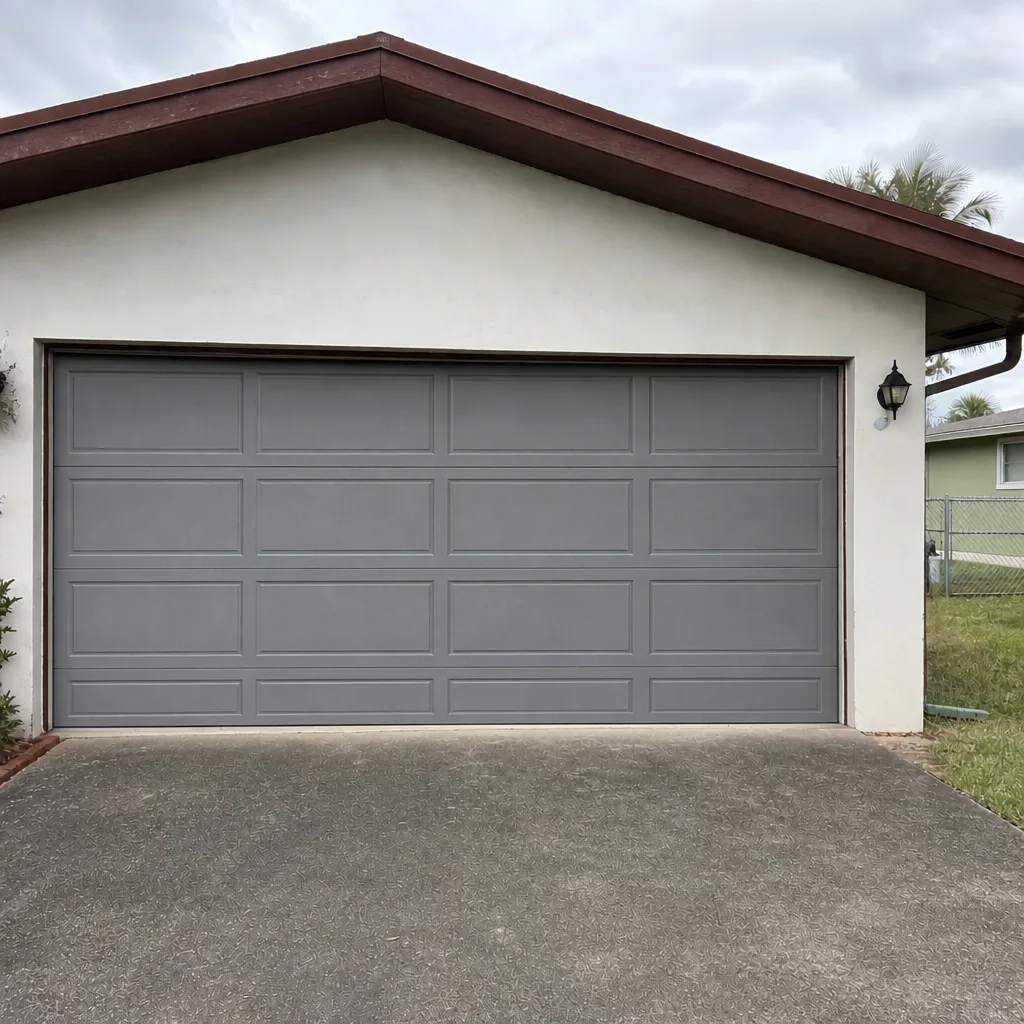 After
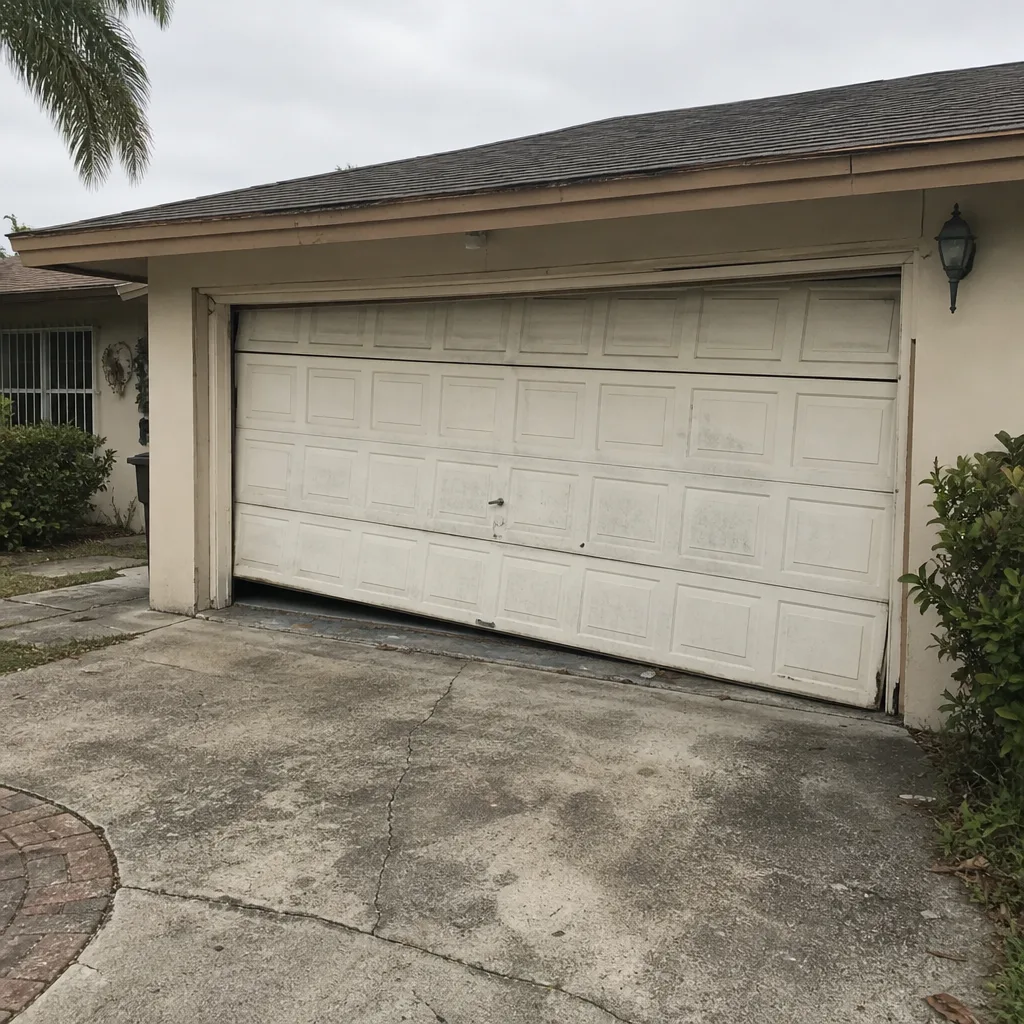 Before
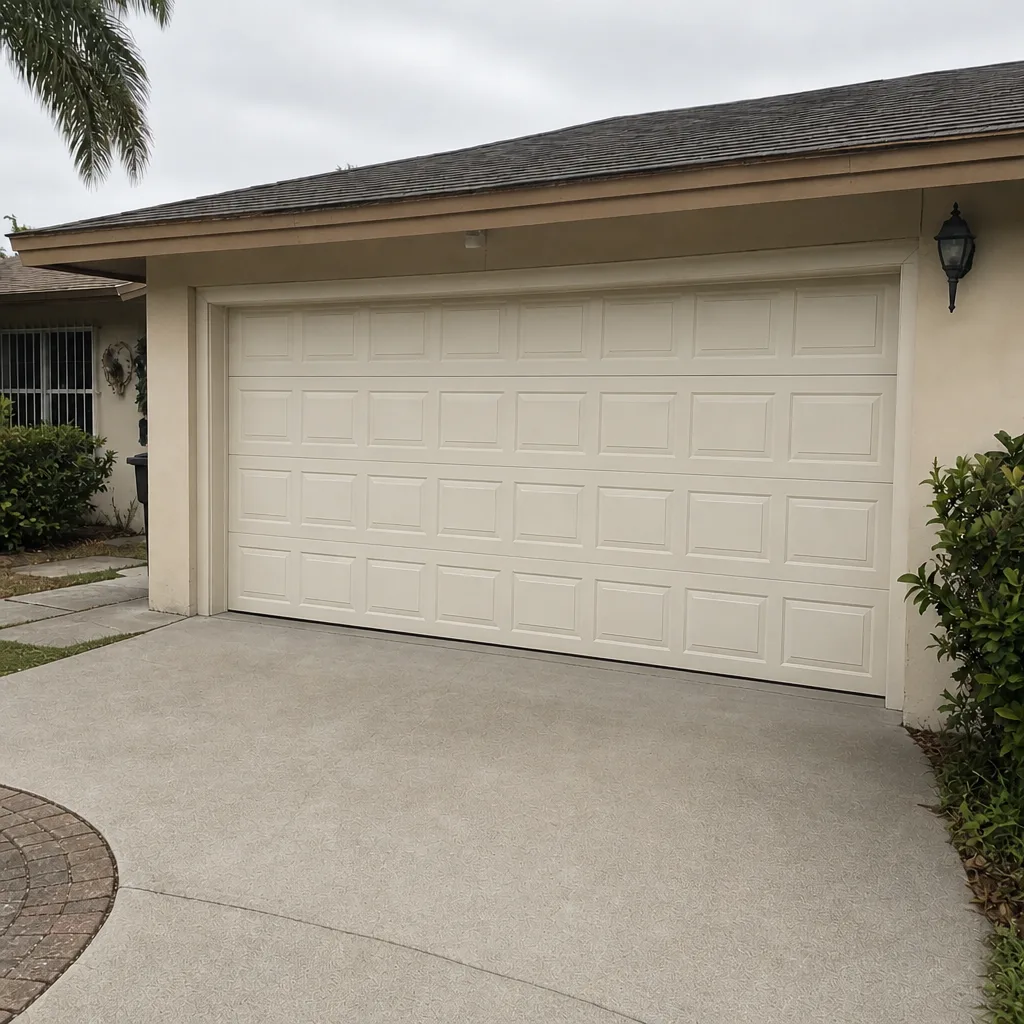 After
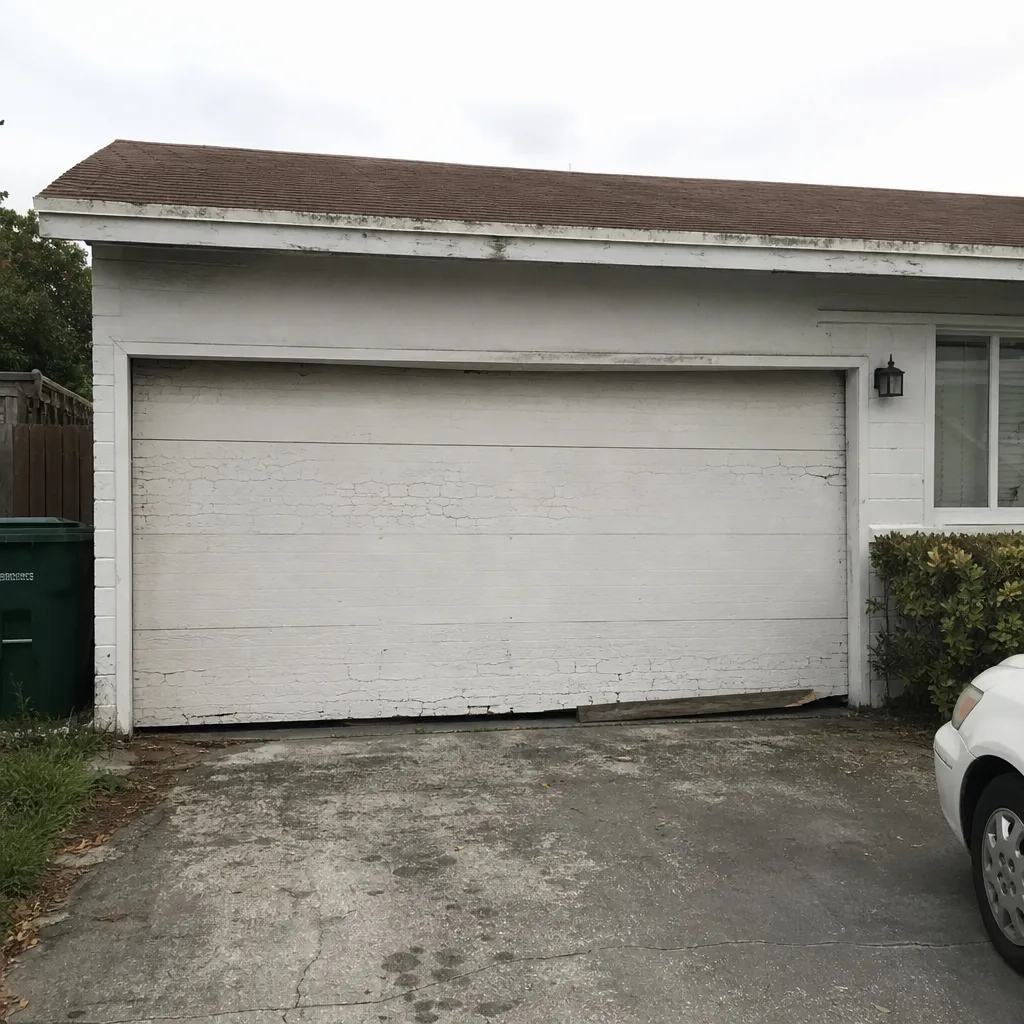 Before
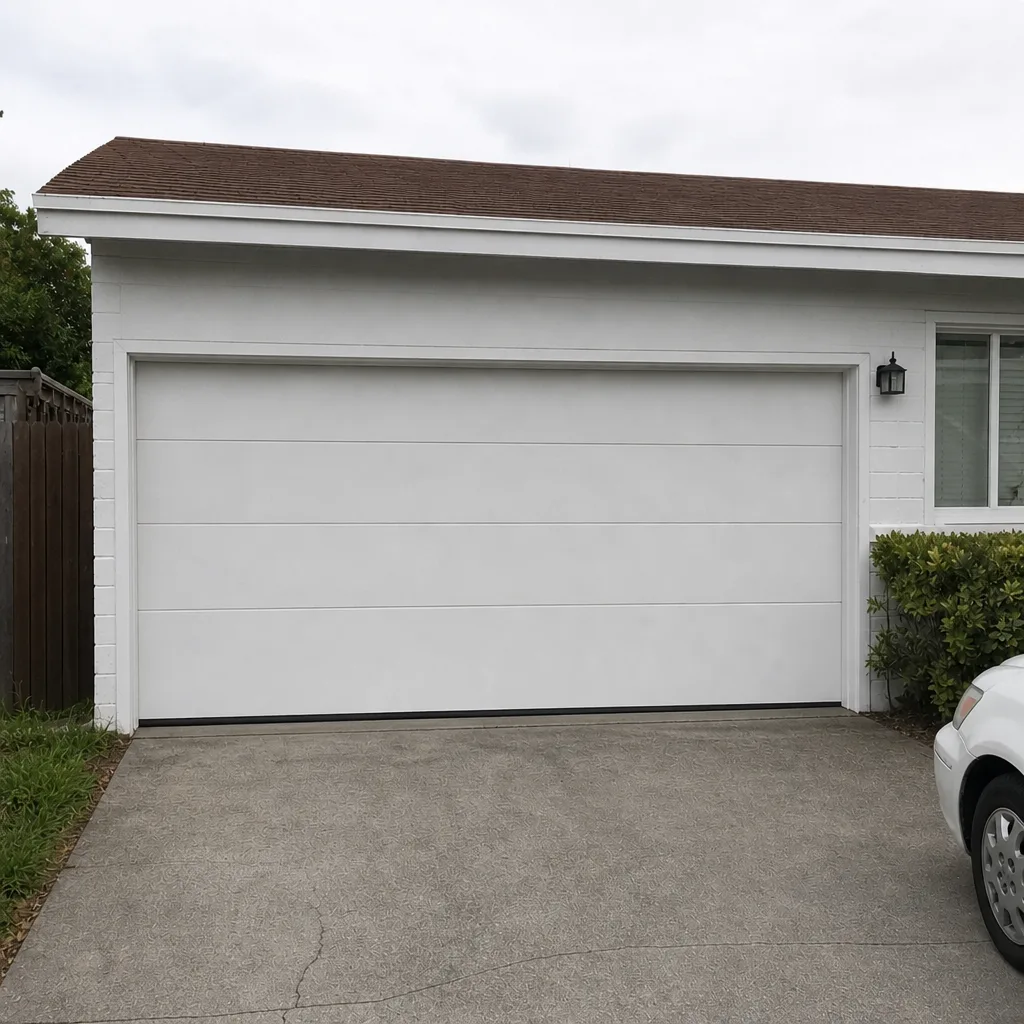 After
When to Call a Professional
Call a professional when the door won’t close or open reliably, when a spring breaks (they’re under high tension and are not a safe DIY repair), when the opener is straining or reversing, or when you’re standing at the start of a replacement and unsure about permit requirements. Springs and torsion assemblies in particular can cause serious injury if handled without the right tools, and the tools aren’t something most homeowners have on hand. For permitted installations, the contractor needs to be able to document the door’s NOA, match the manufacturer’s fastening schedule, and walk the project through county inspection – that’s the part that separates a clean job from a paper trail you’ll be sorting out at closing. Miami Gardens Garage Door Repair Co offers free estimates in Miami Gardens – call (877) 583-5491. We work on the brand you already have, from Miami Gardens Garage Door Repair Co‘s full service line through to full door replacement, and the price is quoted and agreed before any work starts.
Frequently Asked Questions
Usually yes, if the replacement changes the wind-load rating or the structural attachment method. A straight swap of an identical, same-rated door sometimes qualifies as repair-only, but the safe move is to confirm with Miami-Dade’s building department before the order goes in. Call (877) 583-5491 if you want a second read on your specific door.
Permit fees vary by the scope of work and the opening’s valuation, and the county sets the actual fee schedule, so it’s best to ask the building department for the figure on your address before you commit. The installation cost itself is separate. Our own pricing is quoted by written estimate, agreed before any work starts.
In most cases, yes. The contractor of record typically pulls the permit and submits the NOA number, installation instructions, and fastening schedule on your behalf. If you already have an unpermitted door, we can help sort out what a retroactive application would need. Call (877) 583-5491 for a free estimate.
It can. Insurers may ask for documentation of a garage door replacement during a 4-point inspection or after a wind claim, and if the permit history doesn’t show the work, they may request a retroactive permit and inspection. Resolving it at installation is far easier than resolving it at closing.
Most major residential brands carry NOA approvals for at least some of their models, including Clopay, Amarr, Wayne Dalton, Raynor, LiftMaster, Chamberlain, Genie, and Craftsman. The approval is model-specific, not brand-wide, so the exact model number has to match the NOA before a permitted installation can proceed. We work with all eight.
Fastener count and spacing are the most common failures, followed by design pressure mismatches and missing NOA documentation. The door’s rating label being removed or painted over also comes up. Getting these right is a matter of following the manufacturer’s published schedule and submitting the paperwork upfront.
The Bottom Line
A garage door replacement in Miami Gardens is more than a mechanical swap. The door’s wind-load rating, its Miami-Dade NOA approval, the fastening schedule, and the inspection paper trail all travel with the house. Get them right at installation and you’re clear for the sale, the refinance, and the storm claim. Handle them after the fact and you’re likely to hear about it from your insurer or your buyer’s lender. If you’re unsure whether your project needs a permit, ask the city’s building department, then call us and we’ll walk through the door and documentation side with you. Our technicians have up to 9 years of experience across repairs, spring jobs, opener work, and permitted installations.
Call (877) 583-5491 for a free estimate on repair, replacement, or inspection – quoted and agreed before any work starts.
Written by the team at Miami Gardens Garage Door Repair Co.