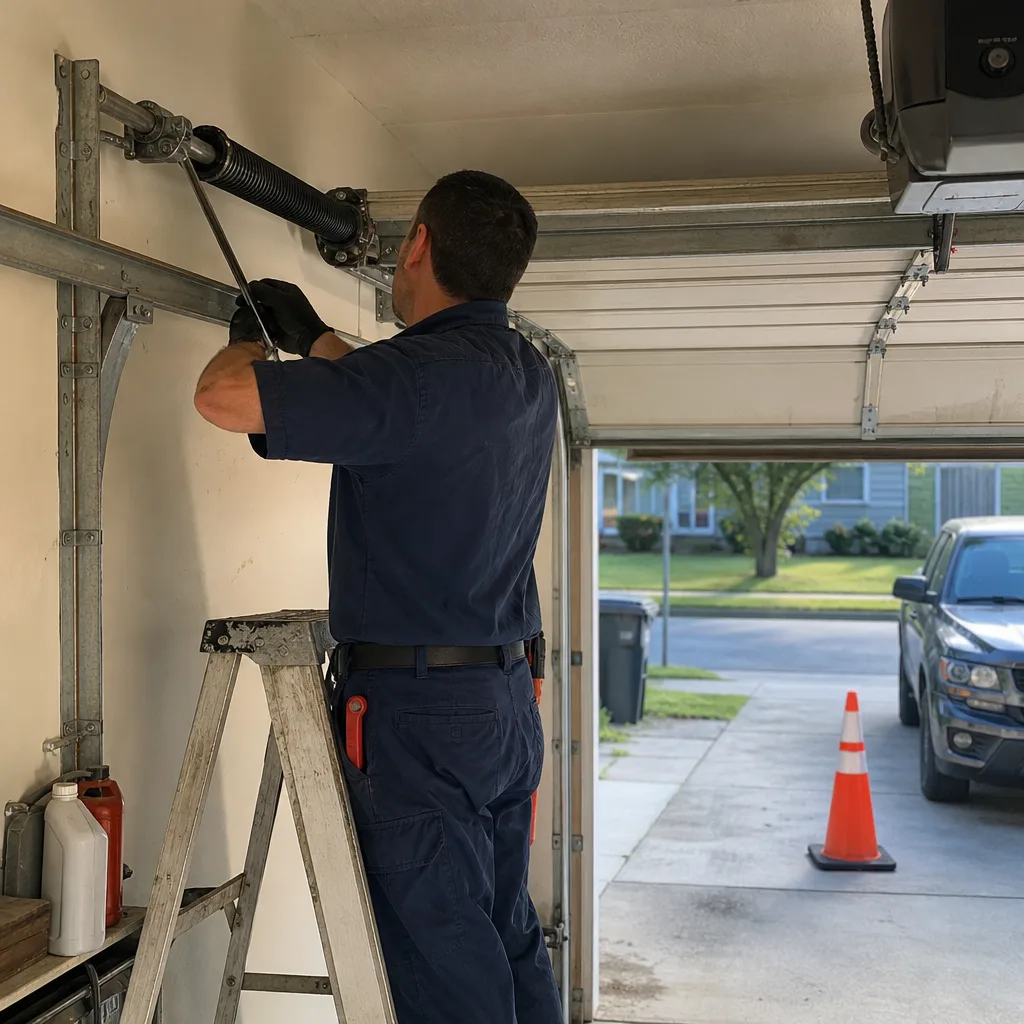
Last updated November 22, 2026
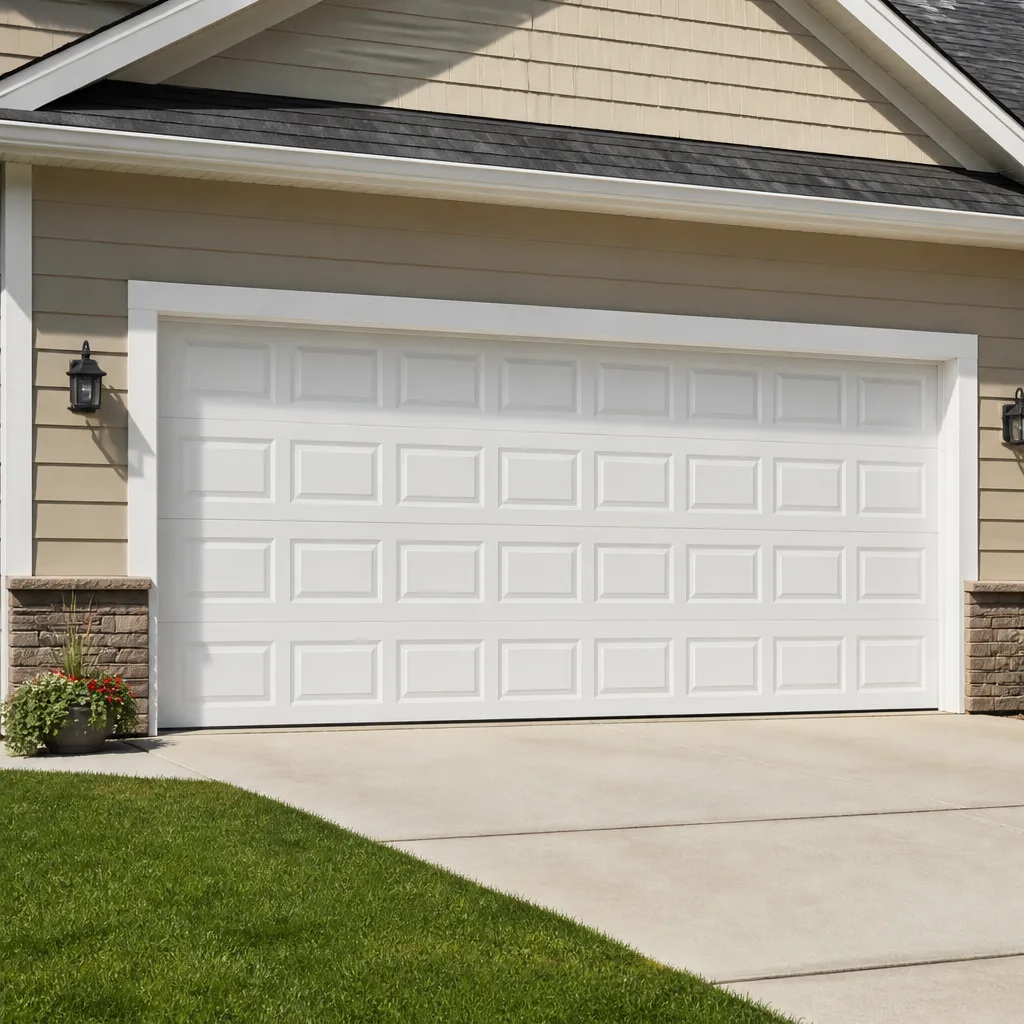 Raised-panel steel
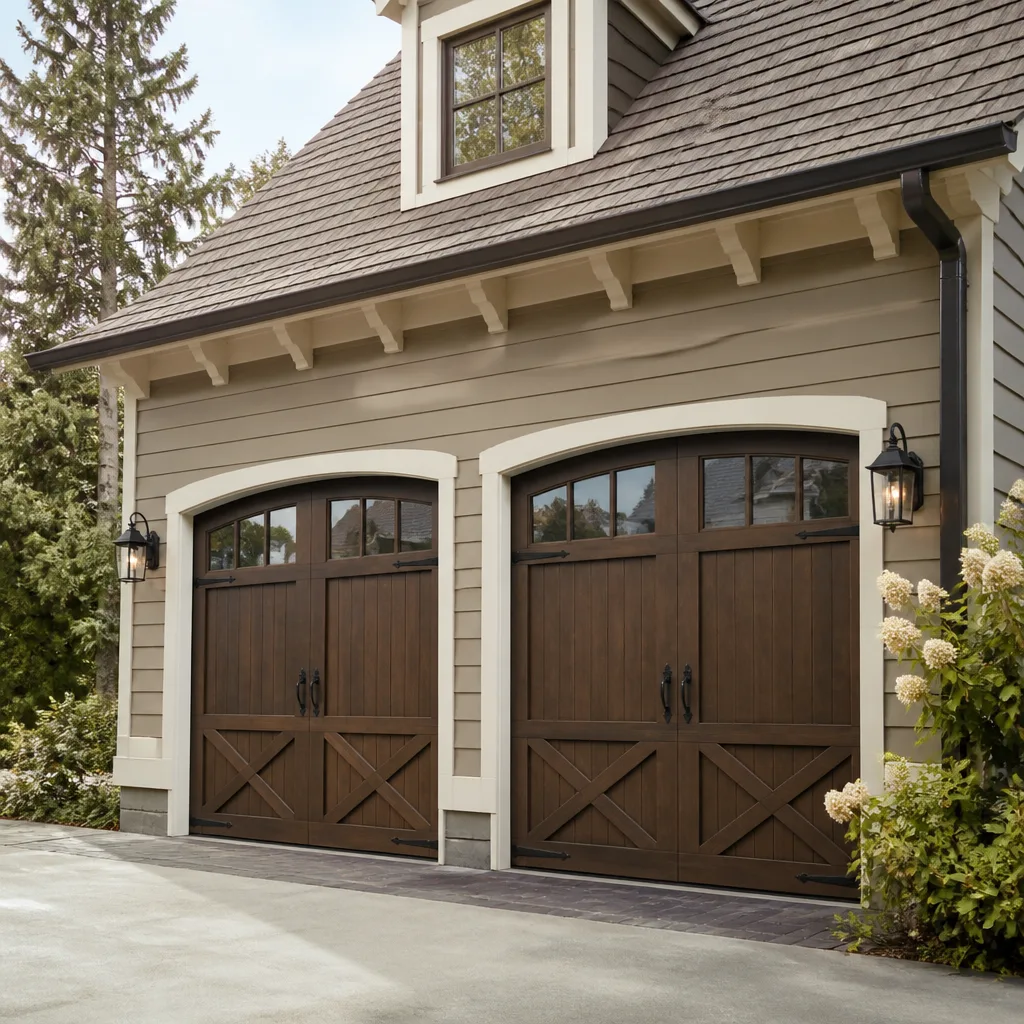 Carriage house
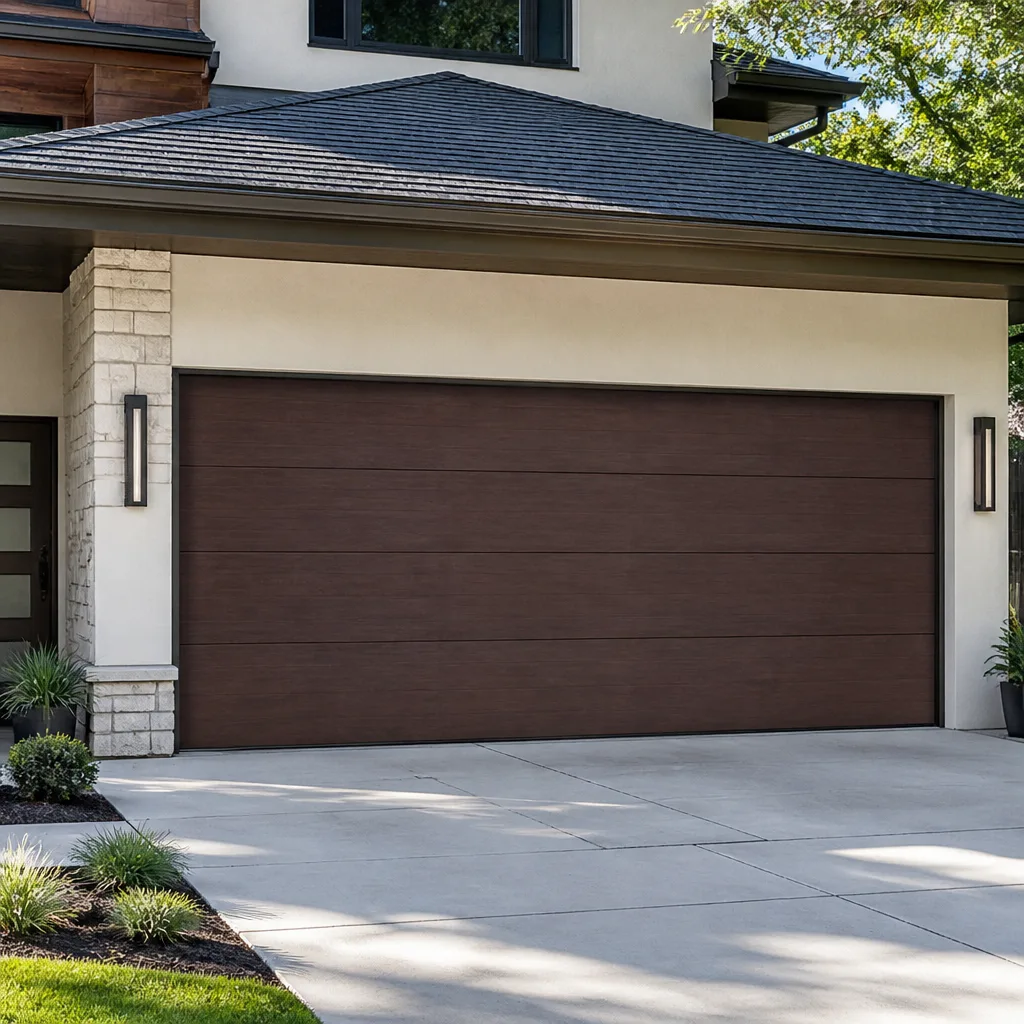 Modern flush
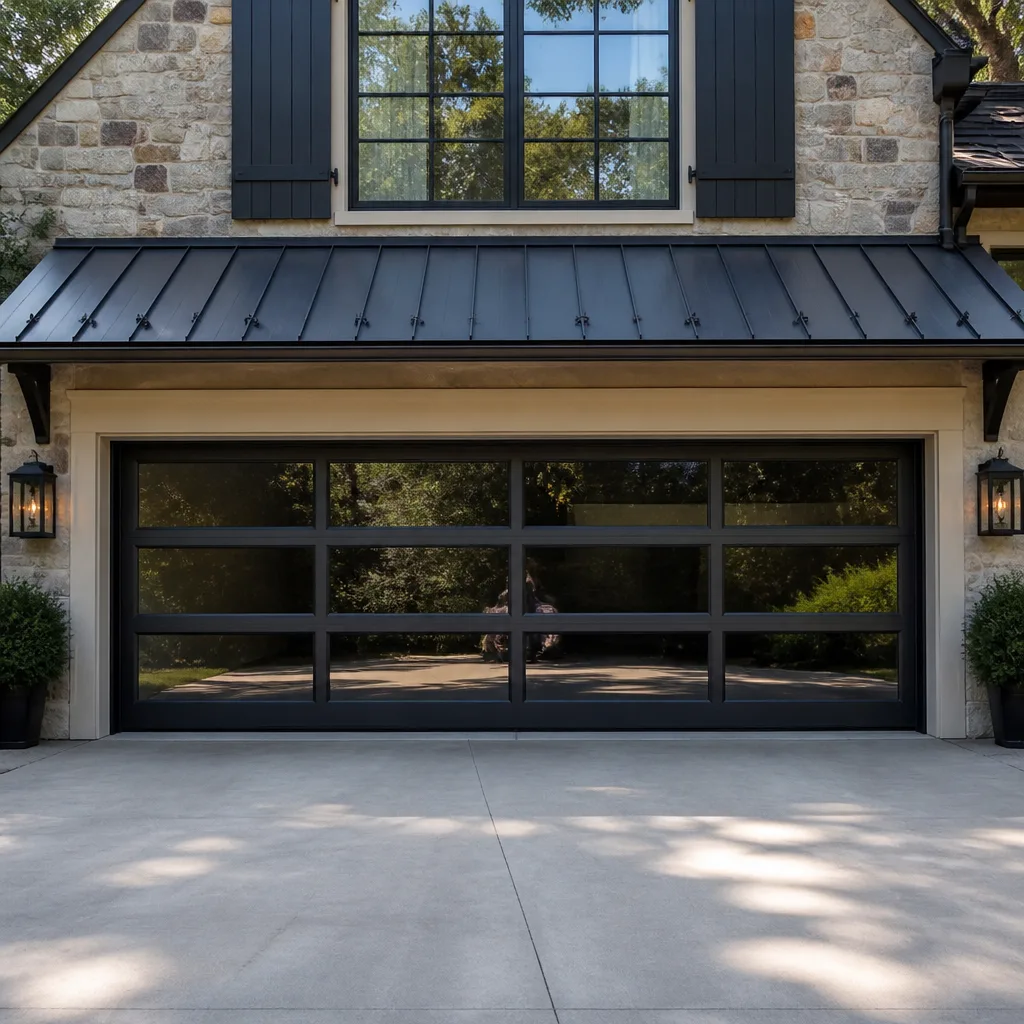 Full-view glass
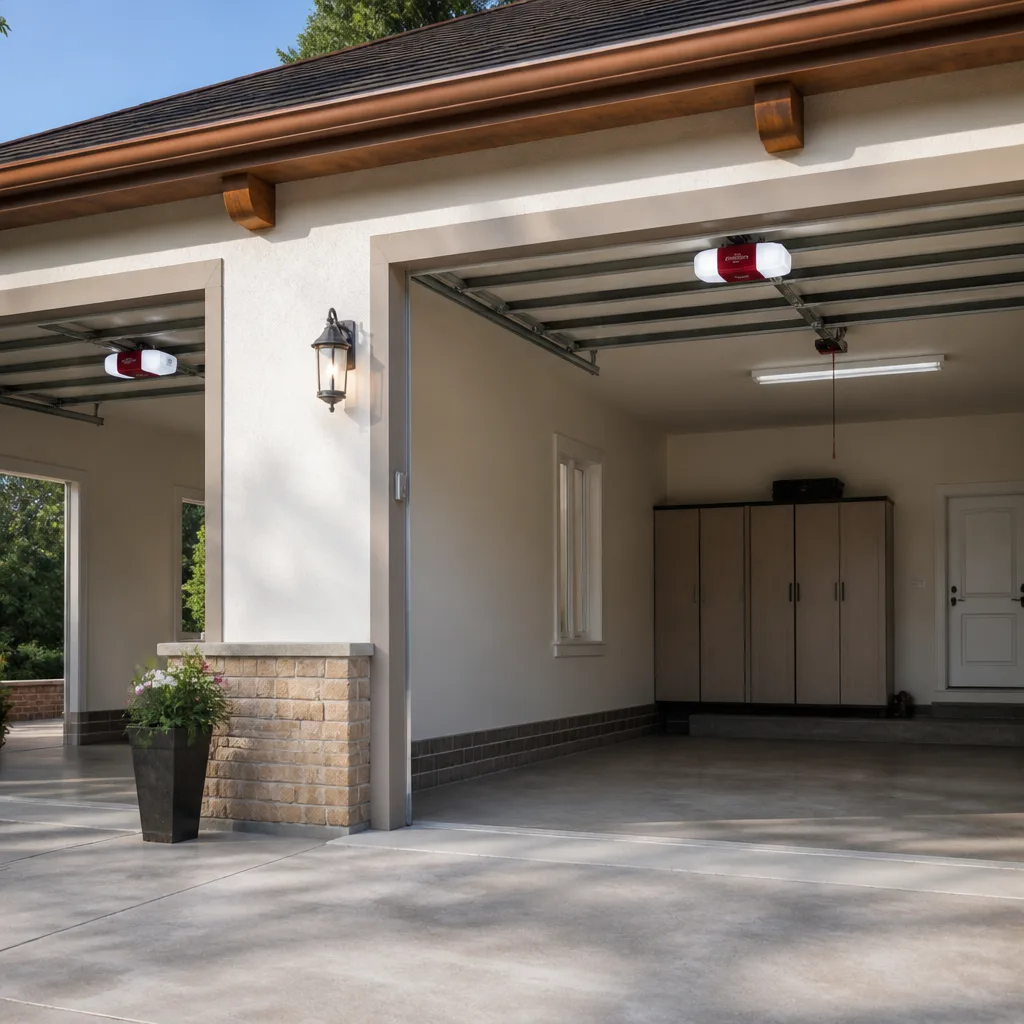 LiftMaster openers
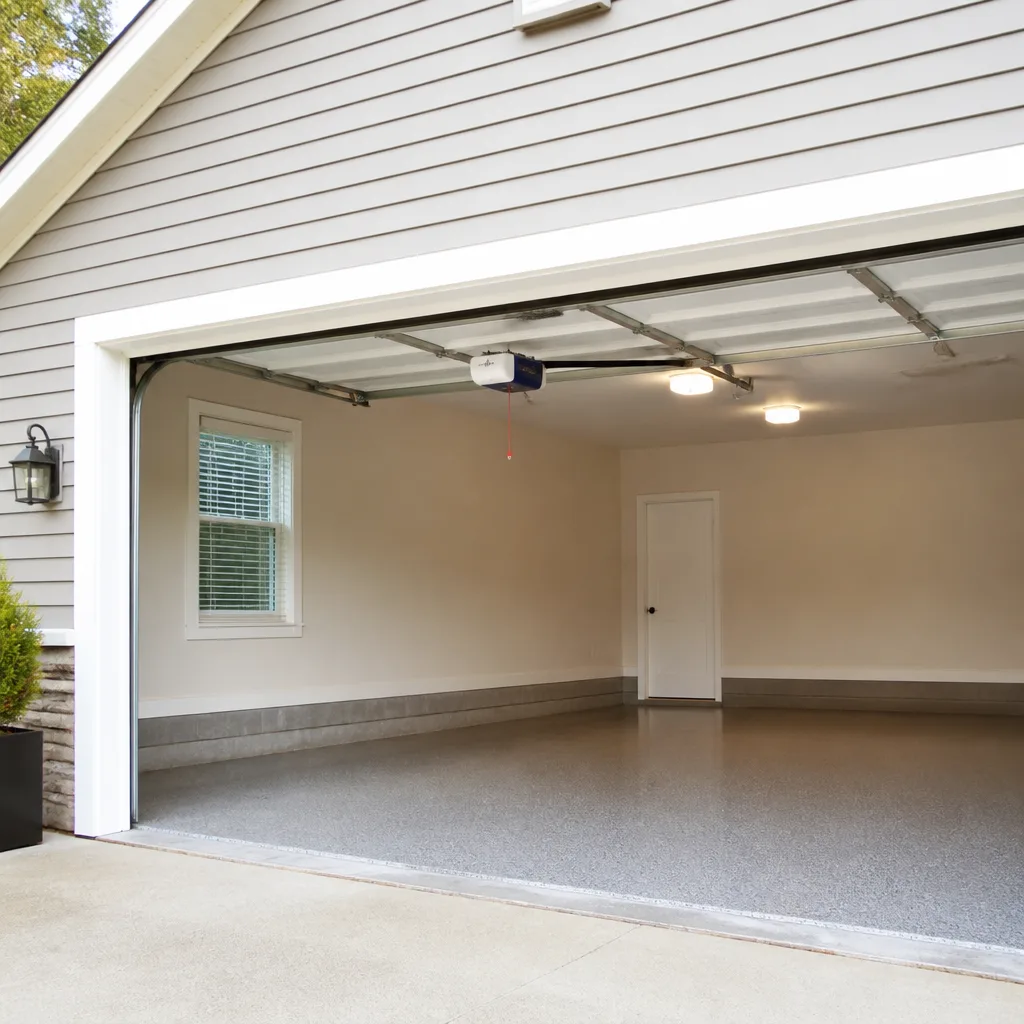 Chamberlain openers
Full 25-point door and opener safety check with every visit - springs, cables, rollers, tracks, and your LiftMaster or Chamberlain opener included
You get a price before we start. It does not change when the pro arrives.
Get your free estimateDIY vs Professional Garage Door: The Miami Gardens Homeowner’s Decision Guide
Most guides to this question start with a calculator. Add up the parts, subtract the contractor’s quote, and congratulations: you saved a few hundred dollars. We think that math misses the point. A torsion spring on a standard residential door stores an enormous amount of energy, and releasing it wrong is one of the fastest ways to end up in an emergency room. The real question isn’t whether you’re handy enough to try. It’s whether the savings justify the risk, the code exposure, and the odds you’ll have to redo it. This guide gives you an honest framework for sorting garage door jobs into three piles: safe for a homeowner, hiring a permit issue, and leave it to someone with training. We’ll cover the specific tasks Florida law limits, the injury mechanics of each common repair, and the hybrid approaches that actually work. We’re a Miami Gardens garage door company, so we’ll keep the local permit conversation concrete and skip the sales pitch.
Quick Answer
Some garage door work is genuinely safe for a careful homeowner: replacing rollers, swapping a bottom weather seal, programming a keypad, or painting a steel panel. Spring, cable, and track work should go to a trained technician because the stored energy and tension make mistakes dangerous. Full door replacement in Miami-Dade usually requires a permit, and a permit generally requires a licensed contractor, which makes DIY installation far more complicated than it looks. When in doubt, get a free written estimate before you decide.
Styles & brands we work with
- Raised-panel steel
- Carriage house
- Modern flush
- Full-view glass
- LiftMaster openers
- Chamberlain openers
Table of Contents
- What Florida law actually lets you do yourself
- Injury risk by task, rated honestly
- The cost-benefit math on the common DIY targets
- Why door replacement in Miami-Dade is a permit question
- Hybrid approaches: what works with contractors and what doesn’t
- How Miami Gardens heat and humidity affect the decision
- Common mistakes to avoid
- When to call a professional
What Florida Law Actually Lets You Do Yourself
Florida gives homeowners a fair amount of room to work on their own property, but the line sits in a specific place: you can generally maintain and repair your own home, and you generally cannot pull permits and perform certain structural or specialty work that the state reserves for licensed contractors. Garage doors land awkwardly across that line because the work splits into mechanical maintenance on one hand and a permitted installation on the other.
Here’s how the split usually shakes out in practical terms:
- Yours to handle: cleaning and lubricating hinges and rollers, replacing a worn bottom weather seal, swapping a plastic roller with a new one, programming a remote or keypad on your opener, touching up or repainting a steel panel, tightening bolts that have worked loose.
- Yours in theory, risky in practice: adjusting the opener’s travel limits and force settings. No permit involved, but a misadjusted opener can close on an obstruction or burn out its motor. Worth reading your manual and proceeding slowly.
- Usually a licensed-contractor matter: full door replacement and any work that changes the structural attachment to the wall or header. Miami-Dade permits for this are generally pulled in the name of a licensed contractor, not a homeowner, so the legal footing for DIY installation is thin before you’ve bought a single panel.
- Trained technicians only, no exception: torsion and extension spring replacement, cable replacement, and any work that requires you to release tension on a loaded system. We’ve covered why in more detail on our garage door spring repair page, and it comes down to stored energy.
One caveat: permit rules and licensing requirements change, and they vary between municipalities. Before any structural work on your door, call the City of Miami Gardens building department and ask them directly whether a permit is required and who can pull it. That one phone call settles more questions than any online guide, including ours.
Injury Risk by Task, Rated Honestly
Most “be safe” warnings are so vague they’re useless. So here’s the mechanics behind each common garage door job, and why it lands where it does on the risk scale. This isn’t a liability disclaimer. It’s the part of the repair where things actually go wrong.
Low risk
- Roller replacement. The door sits on its track, you remove a hinge, slide the old roller out, slide a new one in. The main failure mode is pinching a finger or stripping a bolt. Do it with the door fully open and the opener unplugged.
- Bottom weather seal. These push or slide into a channel at the bottom of the bottom panel. No tension involved. The trap here is buying the wrong profile, not getting hurt.
- Keypad and remote programming. Zero mechanical risk. You’re pressing buttons in a sequence on a LiftMaster or Genie unit and following the manual’s timing. It’s slow, not dangerous.
- Painting a steel panel. Prep and paint. Ladder safety is the only real concern.
Medium risk
- Track adjustment and hinge replacement. A bent track that pops loose while the door is under load will move suddenly. Loose hinges under a raised door can shift the panel’s balance. Workable with care, unpleasant if you get it wrong.
- Opener force and travel adjustment. The risk isn’t to you, it’s to the door and anyone standing under it. A door set to close too hard won’t reverse on obstruction.
- Replacing a whole opener. This is mostly electrical and ladder work. If your home has an older panel and you’re not comfortable with wiring, the electrical side alone argues for a pro.
High risk
- Torsion spring replacement. The spring is mounted on a shaft above the door and is wound under tension. Even with the door down, it holds load. Releasing the set screws in the wrong order lets the shaft spin free, and the winding bars can whip out of the shaft with serious force. This is where most garage door injuries happen.
- Cable replacement. The cables are what transfer spring tension to the door. A cable that slips its drum under load can snap loose and strike whatever’s in its path. Replacing a cable almost always means releasing spring tension first.
- Installing a new door on existing hardware. Panels have to be tracked and balanced together. A door that comes off a track while someone is standing under it is a bad outcome.
The reason this matters in Miami Gardens specifically is that the climate accelerates the wear that leads to spring failure. The heat and humidity here mean springs cycle thousands of times under conditions that coax rust onto the coils, and a rusted spring is more likely to fail in a way that leaves the door hanging on half a system. If your door is making a bang when it opens or you notice a gap in the spring, that’s not a “wait and see” situation.
The Cost-Benefit Math on the Common DIY Targets
Let’s put actual structure on the savings question. Below are our typical estimated price ranges for these jobs across the Miami Gardens area, alongside what the DIY-friendly version involves. All prices are estimates; the written quote before any work starts is the number that counts.
- Roller replacement (all rollers): typically $70 – $160 installed. DIY is $20 – $40 in parts and an hour of your time. This is a legitimate DIY project if you’re comfortable on a step stool.
- Bottom weather seal: typically $60 – $140 installed. Parts run $15 – $40 depending on length and profile. Also a reasonable DIY job if you match the profile to your door.
- Keypad programming: typically free or a minimal service charge. Read your manual, watch a two-minute video, done.
- Panel repaint or touch-up: a few gallons of paint. No garage door contractor needed unless there’s panel damage underneath.
- Single torsion spring replacement: typically $150 – $340 per spring, installed. A matched pair usually gets replaced together, so a pair runs about twice that. This is the one where we gently push back on the DIY math: the savings look significant until you price in an injury, and this is the repair that produces most of them.
- Opener replacement: typically $300 – $600 installed for a standard unit, more for a belt-drive or smart model. A DIY opener install is around $150 – $300 in parts. If you’re wiring-literate and have a helper, it’s doable. The catch is that every opener brand has its own mounting pattern and rail assembly, and getting a Genie unit to line up with a Wayne Dalton door’s existing bracket sometimes isn’t a clean fit.
- New door installation: this one rarely pencils out as a DIY project in Miami-Dade because of the permit question, covered in the next section.
Notice the pattern. The cheap repairs are genuinely DIY-friendly and the expensive ones are the ones carrying real risk. That’s not a coincidence – it’s why the parts are priced where they are.
Why Door Replacement in Miami-Dade Is a Permit Question
Replacing a garage door isn’t just buying a new panel and bolting it on. In most of Florida, including Miami-Dade, a full door replacement is treated as a permitted structural alteration because the door’s brackets, header, and tracks are attached to the building frame and the door has to meet wind-load requirements in this part of the state. The permit process usually requires a licensed contractor, which is where DIY gets tangled.
Here’s what typically happens when someone installs a door without a permit:
- The work may fail an inspection later, if you sell the home or a neighbor reports it.
- If the door were ever damaged and you filed a claim, an insurer could reasonably ask about permits for the installation. We’re not saying a claim gets denied, just that DIY-installed doors invite the question.
- Correcting the paperwork means pulling a retroactive permit for work that’s already done, which is more expensive and slower than doing it properly the first time.
- The door might not actually meet the wind-load rating needed for the opening, which is a safety issue first and a paperwork issue second.
None of that’s meant to scare you off. It’s meant to make the point that a door installation here isn’t a weekend project you can opt out of the paperwork on. Call the city building department first if you want a clear answer specific to your address. For the parts of the system that just need fixing, take a look at our garage door repair page – most repairs fall outside the permit conversation entirely.
If you’re replacing the whole door, the brands you see most often in Miami Gardens homes are Clopay, Amarr, and Wayne Dalton. Each makes doors in several wind-load ratings, and the ratings matter for the municipality. A contractor who knows the local code will spec the door correctly the first time and pull the permit.
Hybrid Approaches: What Works and What Doesn’t
A lot of homeowners want to split the work: “I’ll demo, you install.” That instinct is reasonable, but hybrid arrangements only work when the split is clean. Here’s what’s actually feasible.
What works
- You handle the cosmetic prep. Painting the trim, clearing the garage, moving vehicles and shelving out of the way, cleaning the floor. Contractors appreciate it and it saves time billed.
- You handle the small repairs before the big job. Roller replacements or weather seal fixes ahead of an opener replacement. If your opener’s on the way out and your rollers are squeaking, knock out the rollers on your own. The opener tech will be focused on the wiring anyway.
- You source your own door if the contractor agrees in advance. If you’ve already picked a Clopay model and the installer is willing to work with a customer-supplied door, this can save money on the parts markup. Confirm in writing before the door shows up.
What doesn’t
- You demo the old door and the contractor installs. This sounds tidy, but the demo involves releasing spring tension, and if anything goes wrong in that step, the liability question becomes messy. Most contractors won’t take responsibility for a system they didn’t open, which means you’ve created a coverage gap. Not worth the savings, and a permit pulled in the contractor’s name generally requires the contractor to control the full install.
- You install the door and a contractor adjusts it. Legally awkward if a permit’s involved, and the contractor is now warrantying your work, which they likely won’t.
- You install the opener to save money and have a contractor come back later for the sensor alignment. Sensor alignment is a solo, twenty-minute task. Paying for a service call for it is not a savings.
The clean rule: split the work where the pieces don’t share a safety system. Painting and cleaning split fine. Springs, cables, and tracks don’t.
How Miami Gardens Heat and Humidity Affect the Decision
The climate here changes how often things break and which repairs you’ll be doing most. We’re not going to tell you it’s coastal, because every garage door contractor in South Florida already says that and it’s become a cliché. The real issues are more specific.
South Florida’s humidity works on steel. Rollers that would last years in a dry climate can start squeaking within months if their bearings aren’t sealed. Springs pick up surface oxidation on the coils, and that roughness grinds against the spring’s own tension every cycle. A rusted torsion spring doesn’t just get weaker, it fails unpredictably, which is why a door that sounds fine can suddenly go slack one morning. Lubricating hinges and rollers periodically is the cheapest preventive work you can do on your own door, and it’s a genuine DIY win.
The heat also works on the door’s seals and weather stripping. Rubber gaskets on the bottom of the door dry out and crack faster here, so weather seal replacement ends up on more Miami Gardens homeowners’ lists than it might elsewhere. That’s a good one to handle yourself. On the opener side, the heat inside a closed garage stresses circuit boards and capacitors faster than in cooler climates, so openers have a finite lifespan here even when they’re well maintained.
When you’re weighing DIY vs pro, use climate as a factor. A simple weather-seal job is easy money to save. Anything spring- or cable-related is not, and the environmental wear that puts springs on the schedule faster here is exactly the wear that makes them more dangerous to touch.
Common Mistakes to Avoid
- Releasing spring tension without winding bars. Screwdrivers and pry bars slip. If the spring has any load on it, use the right tools or step away. In our experience this is the single most common DIY injury.
- Buying the wrong roller or weather seal profile. Rollers come in different stem lengths and pulley diameters. Miami Gardens homes have a mix of door brands and ages, and a slightly wrong roller will ride crooked and damage the track. Match the old part before buying.
- Assuming a permit isn’t needed. Call the city building department before any structural door work. The answer here is not always obvious and varies by scope.
- Adjusting opener force to “fix” a slow door. If the door is slow or jerky, the cause is usually mechanical – worn rollers, dry hinges, a spring that’s losing tension. Cranking up the opener force masks the problem and adds strain to the motor.
- Painting over a delaminated or rusted panel. Paint won’t fix rust that’s eating through the steel from the inside. If the panel is bubbling, it’s a replacement question.
- Leaving the door on a broken spring for weeks. One broken spring on a two-spring door means the other spring is carrying double load. That’s when the second one tends to go, and now you’re stuck with a door that won’t open.
- Buying an opener without checking compatibility. A Wayne Dalton door with a specific track configuration may need a particular rail length or bracket type. Compatibility isn’t always obvious on the box.
See the difference
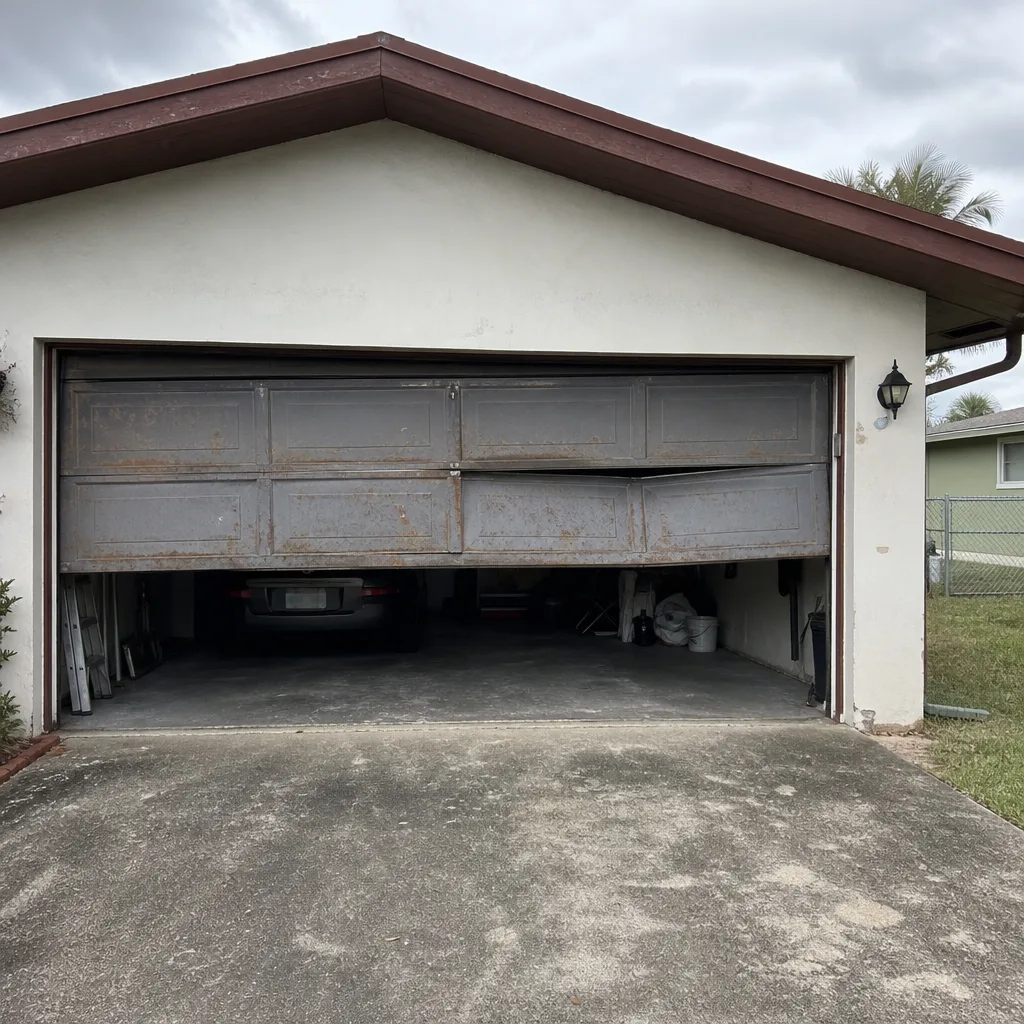 Before
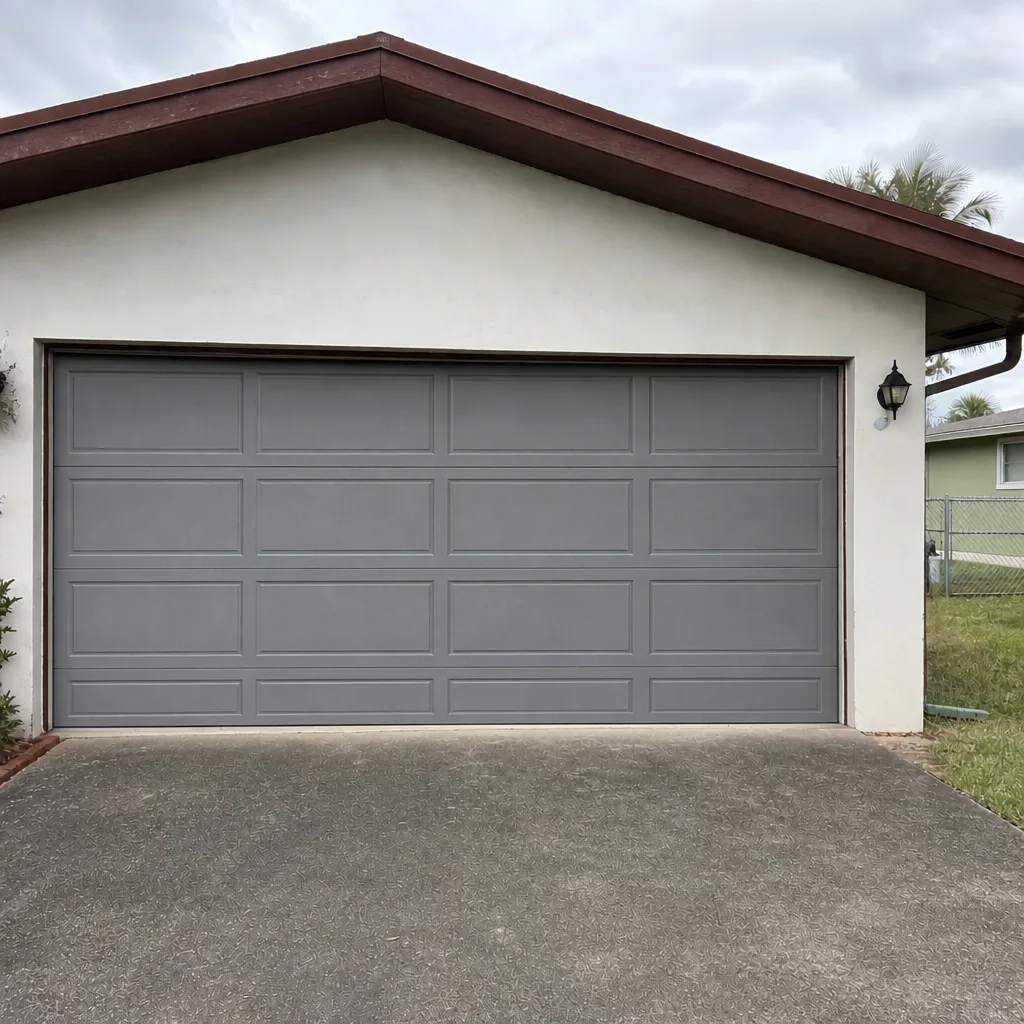 After
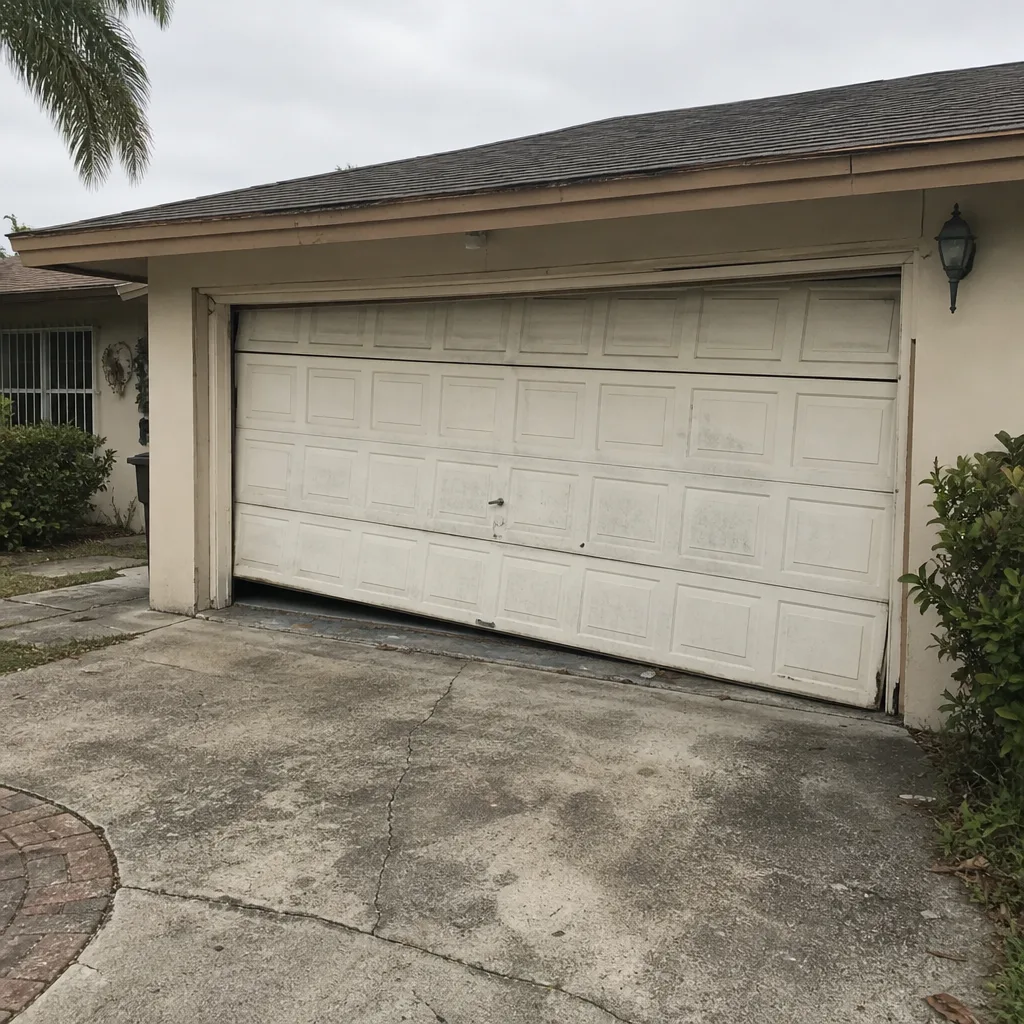 Before
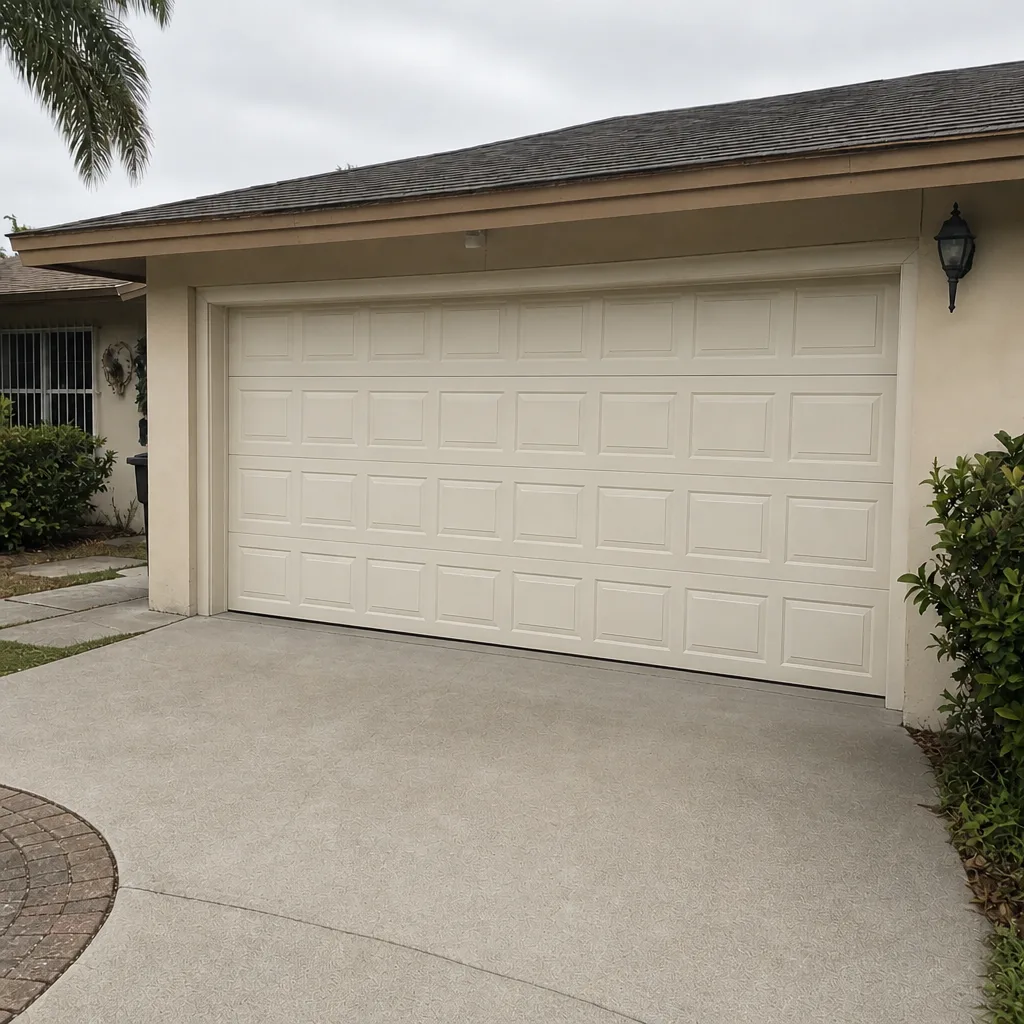 After
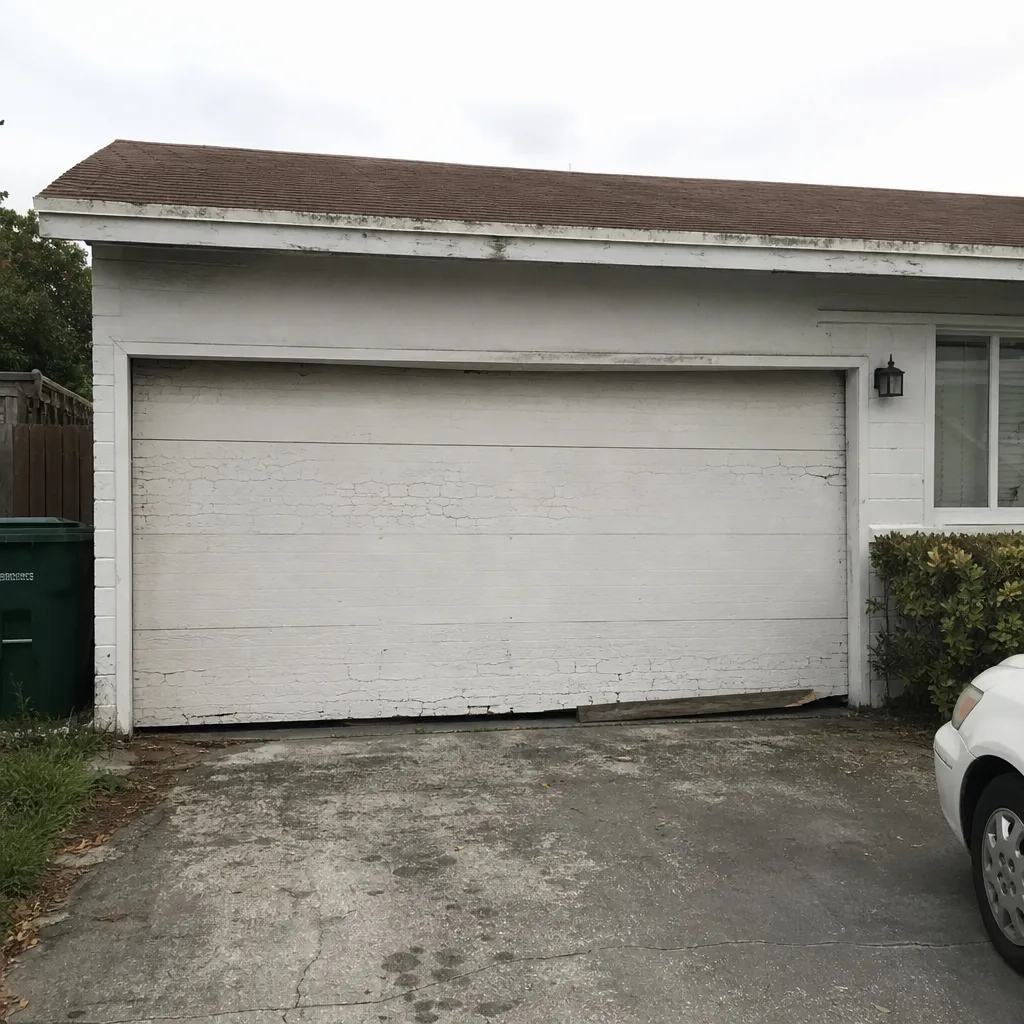 Before
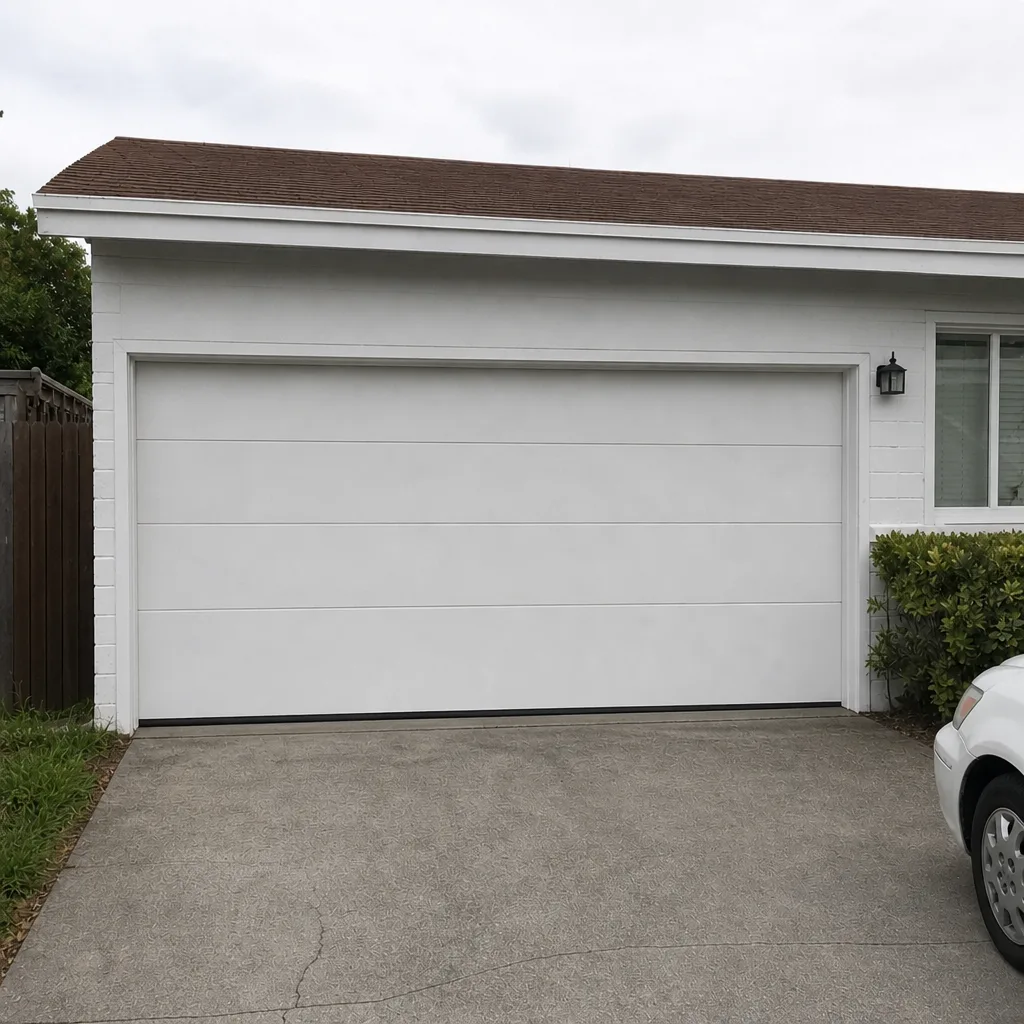 After
When to Call a Professional
Call a professional when the work involves stored tension, structural attachment, or electrical work you’re not comfortable with. That means springs, cables, track realignment under load, full door installation, and anything requiring a permit in Miami-Dade. Also call if your door has failed in a way that leaves the garage unsecured – a door stuck open overnight is a different problem than a door that won’t close. Our garage door opener repair page covers what opener failures typically involve, and if the door itself won’t move at all, that’s the situation where we’re genuinely useful.
We service the brand you already have – Clopay, Amarr, Wayne Dalton, Genie, LiftMaster, Chamberlain, Craftsman, and Raynor – and our technicians have up to 9 years of experience with these systems. Miami Gardens Garage Door Repair Co offers free estimates in Miami Gardens – call (877) 583-5491 and we’ll quote the job before any work starts.
Frequently Asked Questions
No. Torsion spring replacement involves a coil under significant stored tension, and releasing it incorrectly can cause serious injury. The energy in a wound spring is comparable to a loaded crossbow held on a few set screws, which is why this is the one garage door task we consistently recommend against DIY. If your spring needs replacing, call a trained technician.
In most cases no. Full door replacement in Miami-Dade is generally treated as a permitted structural alteration, and permits are usually pulled by a licensed contractor. Before buying a door, call the City of Miami Gardens building department and ask them specifically what’s required at your address. That call will save you more trouble than any guide.
Typical estimates range from $60 to $160 for a weather seal replacement, $150 to $340 per spring for a single torsion spring, and $300 to $600 for an opener replacement. Door installations run higher and vary by brand and wind-load rating. The written quote you receive before any work starts is the price you pay. Call (877) 583-5491 for an exact estimate.
Roller replacement, bottom weather seal replacement, keypad and remote programming, painting a steel panel, and lubricating hinges and rollers are all reasonable DIY work. Lubrication is the one we’d do most often here – Miami Gardens humidity taxes the moving parts, and a few minutes of lubrication a few times a year keeps things running quietly.
Yes, if the panel is intact. Paint is a legitimate solution for fading, chalking, or cosmetic wear on steel or aluminum panels. If the panel is dented, rusted through, or delaminating, paint won’t solve the underlying problem and replacement is the better move. Prep work matters more than the paint itself in this climate.
It usually costs you more than it saves, in the form of a liability gap. Demo involves releasing spring tension on a loaded system, and a contractor installing afterward has a valid reason not to warranty the hardware you’ve handled. Splitting the work along a safety system – springs, cables, tracks – creates an arrangement most contractors won’t accept. Keep the split to painting and clearing the space.
Yes. We work on LiftMaster, Chamberlain, Genie, Clopay, Amarr, Wayne Dalton, Craftsman, and Raynor equipment, both the door side and the opener side. Having factory familiarity with common brands means we diagnose faster and source the right parts the first time.
The Bottom Line
Sort garage door work into three piles. Maintenance and cosmetic jobs (rollers, weather seal, keypad, paint) are yours if you want them, and the savings are real. Springs, cables, and track work belong with a technician because the risk and the math both agree. Structural and permitted work (door replacement, structural attachment) belongs with a licensed contractor in Miami-Dade because the municipality decides who can pull the permit, not your confidence level. The line between these three categories is where the actual decision lives, not in the parts-versus-labor equation. For everything in the middle, ask for a free written estimate – the number will tell you more than any guide can.
If you’re weighing a repair against a replacement, our Miami Gardens Garage Door Repair Co team is here to look at the door with you and tell you honestly which way to go. Call (877) 583-5491 for a free estimate in Miami Gardens. We’ll quote the job before any work starts, and we’ll do it the first visit.
Written by the team at Miami Gardens Garage Door Repair Co.